Creamy Mexican Salad Dressing Recipe
Inspired by restaurant-style flavors, this creamy blend uses cilantro and lime to bring a bright, tangy finish to taco salads or hearty grain bowls.
zesty cilantro lime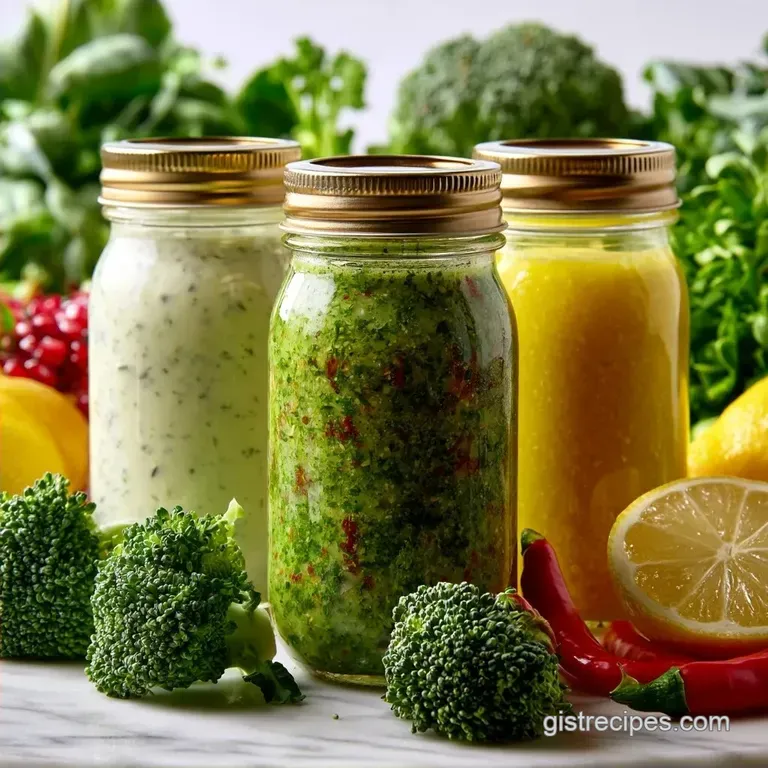
Homemade salad dressing comes together faster than most people think, often using the oils, vinegars, and spices already sitting in your kitchen pantry.
Whether you're tossing a light garden salad or preparing a chunky vegetable slaw, these recipes provide a fresher alternative to store-bought bottles without the extra preservatives.
This collection offers a mix of creamy bases and bright vinaigrettes to help you match the right texture to your specific greens. By making these at home, you can control the salt and sweetness levels while ensuring every bite of your salad is bright and flavorful.
These dressings use a rich base like buttermilk or sour cream to create a thick, coating consistency that works well with sturdy greens. Unlike thinner vinaigrettes, these recipes provide a cooling element that balances spicy or bold salad ingredients like grilled proteins and corn.
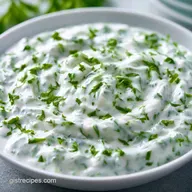
Inspired by restaurant-style flavors, this creamy blend uses cilantro and lime to bring a bright, tangy finish to taco salads or hearty grain bowls.
zesty cilantro limeWhisked together in minutes, this herb-heavy dressing offers a much fresher alternative to bottled versions, with a smooth texture that clings to every bite.
classic buttermilk styleRelying on the balance between acid and oil, these recipes use citrus and vinegar to brighten up raw vegetables. They offer a lighter profile that highlights the natural freshness of garden produce without overwhelming the palate with heavy dairy bases.
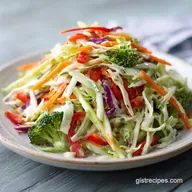
This smooth dressing balances sweetness and tang, making it a reliable choice for chunky vegetable slaws or as a dip for fresh broccoli florets.
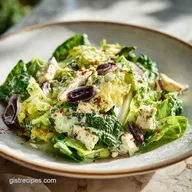
creamy slaw baseLight and citrus-forward, this vinaigrette uses parmesan for a savory kick that pairs beautifully with leafy greens and fresh garden vegetables.
lemon parmesan finish| # | Recipes | Best For | Time | Difficulty | Style | Main Benefit |
|---|---|---|---|---|---|---|
| 1 | Mexican Salad Dressing for 12 Servings | taco salads | 8 min | Easy | Creamy | Taco salad pairing |
| 2 | Ranch Dressing in 5 Minutes | dipping and greens | 5 min | Easy | Creamy | Herb-forward flavor |
| 3 | Broccoli Slaw Dressing Recipe: Silky & Tangy | vegetable slaws | Time varies | Easy | Tangy | Vegetable slaws |
| 4 | Southern Garden Salad with Lemon Parmesan Vinaigrette | light garden salads | 20 min | Easy | Vinaigrette | Light citrus notes |
Discover more curated recipe collections
Explore more recipe collections →