Chicken Fried Rice: High-Heat Searing Method
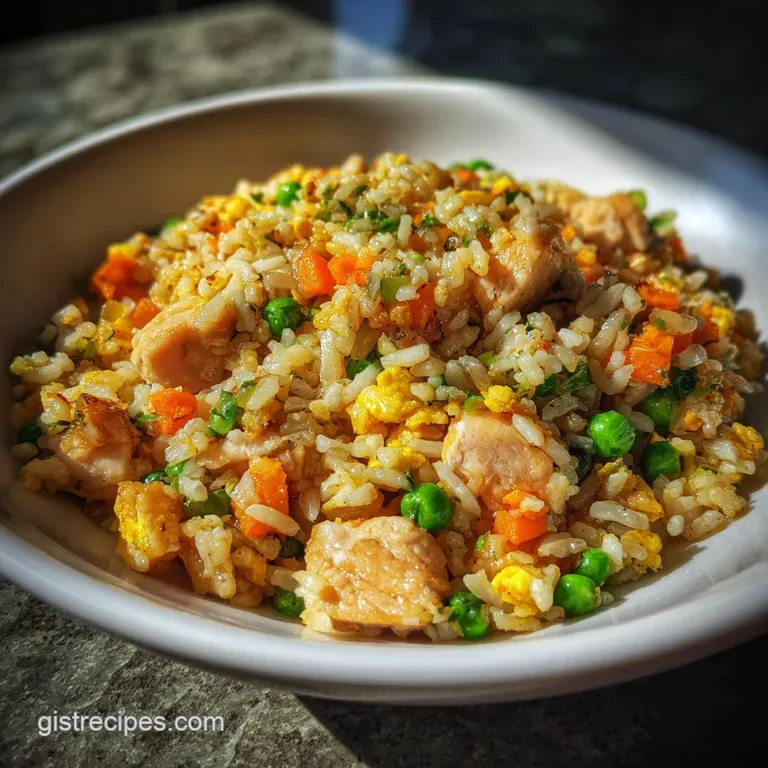
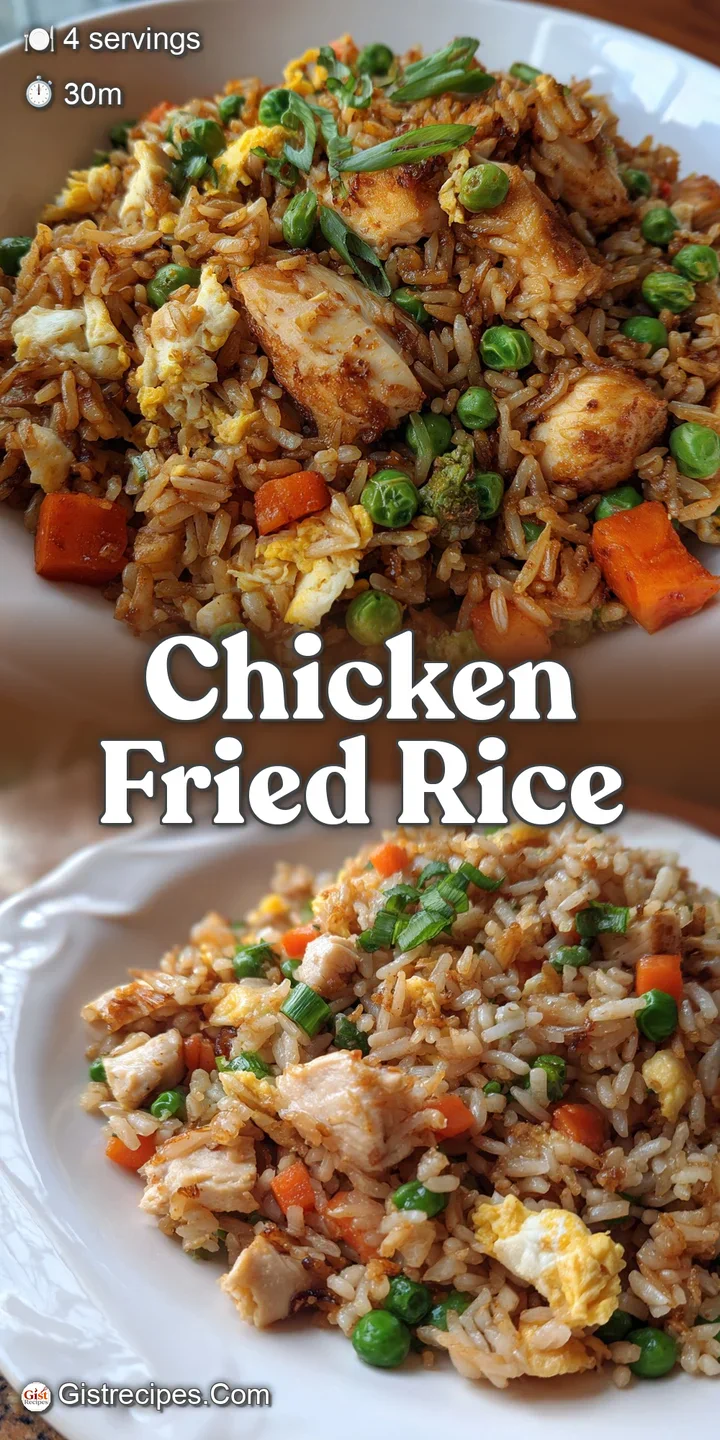
- Time: Active 15 minutes, Passive 15 minutes, Total 30 minutes
- Flavor/Texture Hook: Velvety chicken paired with individual, toasted grains and a savory umami punch.
- Perfect for: Busy weeknight dinners or clearing out the fridge after a Sunday roast.
- Create Comfort with This Classic Chicken Fried Rice at Home
- The Science Behind Why Day Old Rice Sizzles Best
- Cooking Decisions and Essential Metrics for Your Best Batch
- The Hearty Components That Make Your Fried Rice Sing
- Tools for Success in Every Single Stir Fry Session
- Step by Step Guide to a Better Than Takeout Meal
- Navigating the Soggy Rice Trap with Professional Fixes
- Adapting Your Dish for Different Tastes and Diets
- Storage Secrets and Zero Waste Tips for Leftovers
- Finishing Your Masterpiece with Vibrant Colors and Texture
- High in Sodium
- Recipe FAQs
- 📝 Recipe Card
Create Comfort with This Classic Chicken Fried Rice at Home
The sizzle hits the moment the cold rice touches the hot grapeseed oil, a sound that immediately transports me back to my grandmother’s small, sun drenched kitchen. I remember watching her move with a rhythmic grace, the spatula clinking against the worn metal of her favorite skillet while the aroma of toasted sesame oil and sharp ginger filled every corner of the house.
It wasn't just a meal, it was her way of showing love through whatever leftovers we had, turning yesterday's plain rice into a masterpiece of color and heat.
For years, I tried to recreate that specific magic, but I kept making the same amateur mistake: using fresh, steaming rice. My kitchen would end up smelling like a dream, but the texture was a nightmare of gummy, soggy clumps.
It took a lot of burnt garlic and mushy pans of "porridge" before I realized that the secret isn't in a fancy sauce or a high end stove, but in the patience to let your ingredients get cold and the courage to crank up the heat.
Today, we are making a Chicken Fried Rice that actually works, one that yields those distinct, almost "shattering" grains of rice and velvety bits of chicken that you usually only find at your favorite local spot.
We’ve all had those long days where you just want something hearty and familiar without waiting an hour for delivery. This recipe is your answer to that craving, bringing together family friendly flavors with a technique that guarantees success every single time you fire up the burner.
The Science Behind Why Day Old Rice Sizzles Best
Starch Retrogradation: As cooked rice cools, the starch molecules rearrange into a crystalline structure, making the grains firm and less likely to rupture or release sticky amylopectin during the stir fry process.
The Maillard Reaction: High heat combined with the amino acids in the soy sauce and chicken proteins creates new flavor compounds and that signature mahogany crust on the grains.
| Protein Thickness | Internal Temp | Rest Time | Visual Cue |
|---|---|---|---|
| 1/2 inch cubes | 165°F (74°C) | 2 minutes | Opaque center, golden edges |
| 1 inch strips | 165°F (74°C) | 4 minutes | Firm touch, juices run clear |
| Sliced breast | 165°F (74°C) | 3 minutes | No pink, slight browning |
This table helps you gauge exactly when your chicken is ready to be pulled from the pan. Since we are using 1/2 inch cubes for this recipe, you want to move quickly to keep them tender. Overcooking the poultry is the easiest way to ruin the comforting, velvety texture we are aiming for in this dish.
Cooking Decisions and Essential Metrics for Your Best Batch
When you are standing over a hot pan, you don't want to be guessing about ratios or timing. I've found that the balance of fat to grain is what determines if your rice feels greasy or perfectly toasted.
We use 3 tbsp (45 ml) of grapeseed oil because it has a high smoke point, allowing us to get the pan screaming hot without the oil breaking down and tasting bitter.
Chef Tip: Freeze your cooked chicken for 10 minutes before dicing. This allows you to get those perfectly sharp 1/2 inch cubes without the meat tearing or slipping under your knife.
Another unconventional trick I swear by is adding the white pepper at the very end. Most people toss it in with the aromatics, but white pepper can turn bitter if scorched. By folding it in with the sesame oil during the final toss, you preserve its floral, earthy heat which is the hallmark of a "Better Than Takeout Chicken Fried Rice" experience.
It provides a subtle glow of warmth that black pepper simply can't replicate.
| Component | Science Role | Pro Secret |
|---|---|---|
| Cold Jasmine Rice | Low moisture surface | Spread on a tray in the fridge to dry out faster. |
| Large Eggs | Fat emulsification | Scramble until only 80% done to keep them silky. |
| Dark Soy Sauce | Caramelization | Use sparingly; it’s for color and deep molasses notes. |
| Grapeseed Oil | over High heat vehicle | Wait for the "first wisp of smoke" before adding rice. |
The cold rice is non negotiable here, my friends. If you use warm rice, the steam trapped in the grains will turn your stir fry into a humid mess. Think of each grain of rice as a tiny sponge; if it's already full of water, it can't soak up the soy sauce and toasted sesame oil that give this dish its soul.
The Hearty Components That Make Your Fried Rice Sing
Gathering your ingredients beforehand is the only way to survive a stir fry. Once the heat is on, things move fast, and you won't have time to be peeling ginger or hunting for the oyster sauce.
This is a 30 Minute Chicken and Rice Dinner that requires your full attention for the 15 minutes of actual cooking.
- 1 lb (450g) chicken breast: Cut into 1/2 inch cubes. Why this? Breast meat stays lean but gets velvety when seared quickly at high heat.
- 4 cups (600g) cold day old cooked jasmine rice: Must be cold. Why this? Jasmine has the perfect floral scent and structural integrity for frying.
- 3 large eggs: Lightly beaten. Why this? Adds richness and acts as a binder for the aromatics.
- 3 tbsp (45ml) grapeseed oil: Divided for use. Why this? High smoke point prevents the "burnt oil" flavor in your rice.
- 1 cup (150g) frozen peas and carrots: Thawed and dried. Why this? Adds sweetness and a much needed pop of color to the dish.
- 3 cloves garlic: Minced finely.
- 1 tsp (5g) fresh ginger: Grated.
- 3 green onions: Whites and greens separated.
- 3 tbsp (45ml) low sodium soy sauce: The primary salt source.
- 1 tsp (5ml) dark soy sauce: For that rich, mahogany color.
- 1 tbsp (15ml) oyster sauce: Adds a savory, syrupy depth.
- 1 tsp (5ml) toasted sesame oil: For the final aromatic flourish.
- 1/2 tsp white pepper: Provides a clean, sharp heat.
If you find yourself missing an ingredient, don't panic. This dish is forgiving, much like the Street Corn Chicken recipe I make when I'm craving something with a bit more zest. You can easily swap proteins or veggies based on what’s lingering in your crisper drawer.
| Original Ingredient | Substitute | Why It Works |
|---|---|---|
| Grapeseed Oil | Canola or Peanut Oil | Both have high smoke points. Note: Peanut oil adds a faint nutty aroma. |
| Oyster Sauce | Hoisin Sauce | Similar thickness. Note: Hoisin is much sweeter; reduce sugar if using. |
| Jasmine Rice | Long grain White Rice | Similar starch content. Note: Avoid short grain or sushi rice as they are too sticky. |
| Chicken Breast | Chicken Thighs | Higher fat content. Note: Thighs are more forgiving and won't dry out as fast. |
Moving from the ingredients to the stove is where the real fun begins. Just remember: the goal is to hear that "sizzle" at every stage. If the pan goes quiet, you're steaming, not frying!
Tools for Success in Every Single Stir Fry Session
While a well seasoned carbon steel wok is the traditional choice, don't feel like you can't make this in a standard large non stick skillet or a heavy cast iron pan. The most important thing is surface area. If your pan is too small, the rice will pile up and steam in its own moisture, leading to the dreaded "clump."
You will also want a sturdy spatula. I prefer a flat edged wooden turner or a metal wok spatula if using a steel pan. You need something that can scrape the bottom of the pan to pick up those little browned bits of chicken and egg, which are essentially concentrated nuggets of flavor.
A microplane is also helpful for getting that ginger into a fine paste so it melts into the oil rather than leaving you with woody chunks to chew on.
step-by-step Guide to a Better Than Takeout Meal
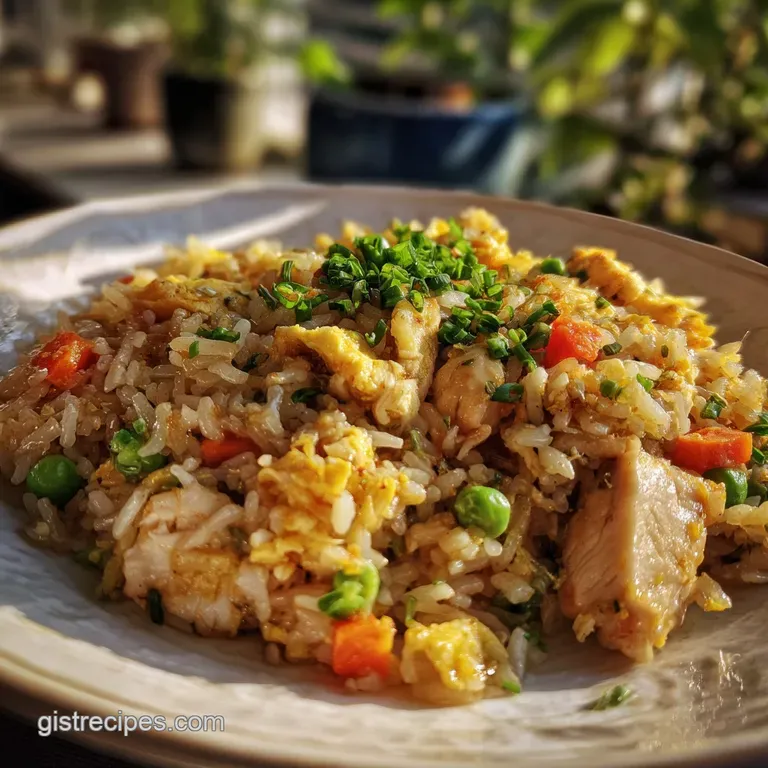
1. The over High heat Protein Sear
Heat 1 tbsp of the oil in your pan over medium high heat until it shimmers. Add the chicken cubes in a single layer, letting them sit undisturbed for 2 minutes until a golden crust forms.
Toss and cook for another 2 minutes until opaque, then remove the chicken from the pan and set it aside. Note: Keeping the chicken separate prevents it from overcooking while we handle the rice.
2. The Soft Scramble
Wipe the pan if needed and add another 1/2 tbsp of oil. Pour in the beaten eggs. Use your spatula to swirl them quickly for about 30 seconds until they are just set but still look glossy. Break them into small pieces, remove from the pan, and add to the plate with the chicken.
3. The Rice Transformation
Turn the heat up to high and add the remaining oil. Toss in the garlic, ginger, and the white parts of the green onions. Stir for 15 seconds until the kitchen smells intensely fragrant. Immediately add the cold rice, breaking up any large clumps with the back of your spoon.
4. The Final Sizzle & Finish
Spread the rice out and let it fry for 2 minutes without moving it. You want to hear that "crackle." Add the peas, carrots, chicken, and eggs back into the pan. Pour the soy sauces, oyster sauce, and white pepper over the rice.
Stir fry vigorously for 3 minutes until every grain is coated in a deep brown hue. Turn off the heat and fold in the green onion tops and sesame oil.
It’s a fast process, much like making a Cheesy Garlic Chicken recipe on a Tuesday night. The key is to keep things moving once the sauces hit the hot pan so nothing burns.
Navigating the Soggy Rice Trap with Professional Fixes
One of the most common questions I get is about the rice becoming a unified, gummy block. This usually happens because of moisture. If your frozen peas and carrots are still wet from thawing, or if your rice was even slightly warm, you’re fighting an uphill battle.
Why Your Rice Is Mushy
This happens when too much steam is trapped in the pan. If you find yourself in this situation, don't keep stirring. Instead, spread the rice out as thin as possible against the sides of the pan and turn the heat to its highest setting. Let the moisture evaporate for a full minute before touching it again.
| Problem | Root Cause | Solution |
|---|---|---|
| Rice sticking to pan | Not enough oil or pan wasn't hot enough | Move rice to side, add a teaspoon of oil to the bare spot, then fold back in. |
| Bitter aftertaste | Burnt garlic or ginger | Unfortunately, you can't "un burn" it. Next time, add aromatics only seconds before the rice. |
| Grains are too hard | Rice was undercooked or too dry | Add 1 tbsp of water or broth around the edges of the pan and cover for 30 seconds. |
Common Mistakes Checklist
- ✓ Pat the chicken dry with paper towels before searing to ensure a proper crust.
- ✓ Ensure the rice is truly cold; even 4 hours in the fridge is better than fresh.
- ✓ Don't overcrowd the pan; if doubling the recipe, cook the rice in two separate batches.
- ✓ Use low sodium soy sauce so you can control the saltiness without making the dish too wet.
- ✓ Add the sesame oil only at the very end to keep its flavor from evaporating.
Adapting Your Dish for Different Tastes and Diets
If you’re looking for a Healthy Chicken Fried Rice Recipe, you can easily swap the white rice for brown rice or even cauliflower rice. Just keep in mind that cauliflower rice releases a lot of water, so you’ll need to sauté it much longer to get that "fried" texture.
You can also double the peas and carrots or add diced bell peppers to increase the fiber content.
For those who want a bit of heat, a spoonful of chili crisp or sambal oelek stirred in at the very end creates a fantastic spicy version. If you love a bit of sweetness, some diced fresh pineapple (patted very dry!) added with the peas and carrots provides that classic tropical flair that pairs so well with the salty soy sauce.
To Rescue Gummy or Mushy Rice
If the rice has already turned into a ball, stop stir frying. Spread it on a baking sheet and put it in a 400°F (200°C) oven for 5-7 minutes. This will help dry out the exterior of the grains and give you back some of that lost texture.
It's not a perfect fix, but it's better than eating "rice paste."
For a Spicy Szechuan Twist
Add 1 tsp of crushed Szechuan peppercorns to the oil when you fry the garlic and ginger. This creates a numbing, citrusy heat that is incredibly addictive. You can also finish the dish with a drizzle of chili oil instead of plain sesame oil for an extra kick.
Storage Secrets and Zero Waste Tips for Leftovers
This Chicken Fried Rice holds up remarkably well in the fridge for up to 3 days. In fact, some people argue it tastes even better the next day as the flavors have more time to meld. Store it in an airtight container as soon as it reaches room temperature.
To reheat, I highly recommend a quick toss in a hot skillet with a tiny splash of water to loosen the grains, rather than using the microwave, which can make the chicken rubbery.
For a zero waste approach, don't throw away the stems of your green onions! You can place the white bulb ends in a jar of water on your windowsill, and they will regrow in about a week. Also, if you have leftover bits of other vegetables like bok choy or even broccoli, chop them finely and toss them in with the peas.
Fried rice is the ultimate "clean out the fridge" meal, and it’s almost impossible to ruin it by adding more veggies.
Finishing Your Masterpiece with Vibrant Colors and Texture
When you are ready to serve, don't just dump the rice into a bowl. Use a small bowl to mold the rice into a dome shape on the plate for a professional look. Garnish generously with the reserved green onion tops the bright green provides a beautiful contrast to the deep browns of the rice.
A sprinkle of toasted sesame seeds or even some crushed peanuts can add a lovely "shatter" to the texture of the dish. If you want to go the extra mile, a few thin slices of fresh cucumber on the side provide a cooling crunch that cuts through the rich, savory umami of the soy and oyster sauces.
This Simple Chicken Fried Rice Restaurant Style is all about the balance of textures, so those fresh toppings really make the dish feel complete.
Whether you're making this for a quick Tuesday night dinner or a cozy weekend family meal, remember that the best part of home cooking is making it your own. If you find yourself with extra chicken, you could even try making some OvenBaked Crispy Chicken Wings recipe to serve alongside for a full blown feast. Enjoy the process, embrace the sizzle, and don't be afraid to let that rice get a little bit crispy at the bottom!
High in Sodium
945 mg mg of sodium per serving (41% % of daily value)
The American Heart Association recommends limiting sodium intake to about 2,300mg per day for optimal health.
Tips to Reduce Sodium in Your Fried Rice
-
Low-Sodium Soy Sauce-20%
Replace the 3 tbsp of regular low-sodium soy sauce with a no-sodium added soy sauce. This makes a big difference in the overall sodium content.
-
Skip Oyster Sauce-15%
Oyster sauce is very high in sodium. Omit it entirely or substitute with a low-sodium mushroom sauce for umami flavor.
-
Reduce Dark Soy Sauce-10%
Dark soy sauce contributes to the color but also adds sodium. Reduce the amount to 1/2 tsp or less, or eliminate it.
-
Unsalted Rice-10%
Ensure your day-old rice was cooked without any added salt. Even a small amount of salt in the rice can add up.
-
Fresh/Frozen Veggies-5%
Ensure the frozen peas and carrots have no added salt. Opt for fresh or plain frozen vegetables without sauces or seasonings.
-
Flavor Boost
Enhance the flavor with sodium free options! Experiment with other herbs and spices like garlic powder, onion powder, dried shiitake mushrooms, or red pepper flakes to add more depth to the dish without adding sodium.
Recipe FAQs
What is the single most important factor for achieving restaurant quality fried rice texture?
Using cold, day-old cooked rice. Freshly cooked rice releases too much moisture during high heat stir frying, causing the dish to become gummy and mushy.
How to properly cook the chicken cubes so they are tender, not dry?
Sear the chicken quickly over high heat until golden, then remove it from the pan. Cook the chicken in a single layer without overcrowding, allowing it to achieve a crust before pulling it out to rest while you cook the rice.
Is it necessary to use a high smoke point oil, or can I use olive oil?
No, you must use a high smoke point oil like grapeseed or peanut. Regular olive oil breaks down rapidly at the necessary high stir fry temperatures, imparting a bitter, burnt flavor to the rice.
How to prevent the cooked eggs from becoming rubbery when added to the fried rice?
Scramble the eggs only until they are about 80% set before removing them from the heat. They will finish cooking when you return them to the pan during the final toss with the rice and chicken.
Can I substitute jasmine rice with brown rice or cauliflower rice?
Yes, but you must adjust cooking time significantly for brown rice, and add extra time for cauliflower rice. Brown rice requires more hydration, while cauliflower rice releases excessive water that must be cooked off before frying can begin.
Why does my fried rice taste too salty even though I used low sodium soy sauce?
You may have added the dark soy sauce or oyster sauce too early or used too much of the latter. Dark soy is primarily for color, while oyster sauce contains concentrated sugars and salt; master your savory depth by practicing precise seasoning balance, similar to how we balance acid in a Sweet Potato Cheesecake Recipe.
How should I reheat leftover fried rice to restore the texture?
Reheat quickly in a hot, dry skillet with a tiny splash of water or broth. Avoid the microwave if possible, as the steam it generates softens the grains again, defeating the purpose of frying them in the first place.
30 Minute Chicken Fried Rice
Ingredients:
Instructions:
Nutrition Facts:
| Calories | 577 kcal |
|---|---|
| Protein | 45.6g |
| Fat | 19.4g |
| Carbs | 48.9g |
| Fiber | 3.1g |
| Sugar | 2.4g |
| Sodium | 945mg |
