Spritz Cocktail Recipe with Aperol: Classic 3-2-1
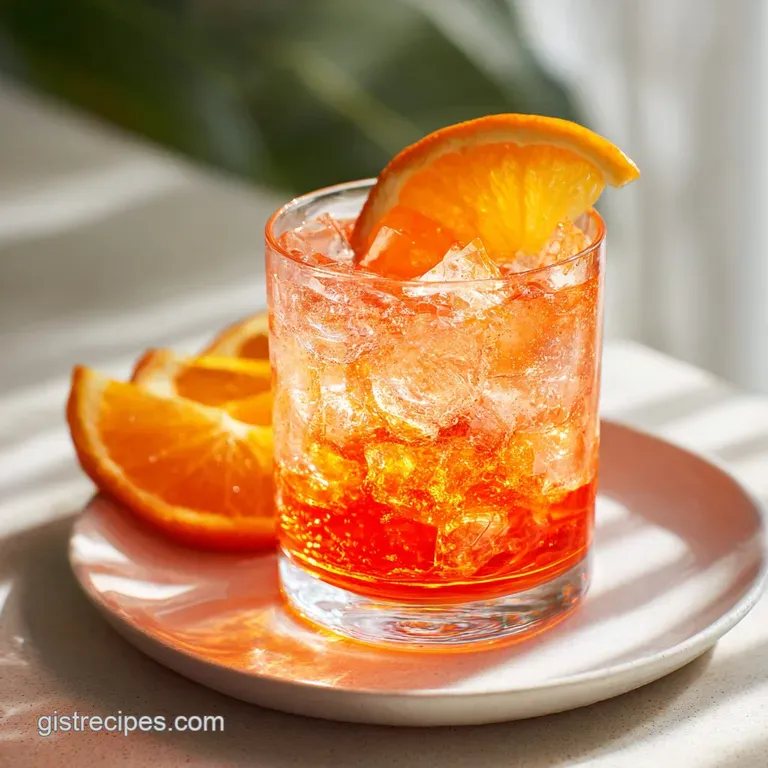
- Time: Active 3 minutes, Passive 0 minutes, Total 3 minutes
- Flavor/Texture Hook: Bittersweet, bubbly, and ultra crisp
- Perfect for: Golden hour patio sessions or quick hosting
- Authentic Spritz Cocktail Recipe with Aperol
- The Science of Carbonation Retention
- Quick Recipe Measurement Data
- Essential Ingredient Selection Guide
- Necessary Barware and Tools
- Execution Steps and Sensory Cues
- Solving Common Balance Issues
- Bold Flavor Profile Adaptations
- Handling Storage and Leftovers
- Curated Snacks for Entertaining
- Dispelling Kitchen Myths
- Recipe FAQs
- 📝 Recipe Card
Authentic Spritz Cocktail Recipe with Aperol
The first time I really understood the hype was at a tiny bar tucked behind a canal in Venice. The sun was dipping low, and the air smelled like salt water and toasted bread. The bartender didn't even ask what I wanted; he just slid over a glowing, neon orange glass that was practically vibrating with bubbles.
One sip of that icy, bittersweet goodness and I was hooked. It's the ultimate "viral" drink because it actually tastes like a vacation feels.
We've all had those watered down versions at brunch that taste like flat soda and regret. That stops today. I’ve spent way too much time obsessing over the exact fizz to bitter ratio to make sure your home version hits like the real deal.
We’re going for big flavors and that internet famous aesthetic that makes people stop and ask for the recipe.
Forget those complicated cocktails that require a chemistry degree and a dozen expensive bottles. This is about speed, precision, and that sharp, citrusy aroma that wakes up your palate. We’re keeping it punchy and bold. Let's get into the mechanics of why this specific build works every single time.
The Science of Carbonation Retention
Density Layering: Aperol is heavier than Prosecco because of its sugar content, so pouring the wine first allows the liqueur to sink through and mix naturally without stirring.
Nucleation Control: Large, clear ice cubes provide less surface area than crushed ice, which prevents the CO2 from escaping too quickly and keeping your drink fizzy for longer.
| Variation | Prep Speed | Fizz Level | Best Scenario |
|---|---|---|---|
| Fast Standard | 3 mins | High | Spontaneous hosting |
| Classic Stirred | 5 mins | Medium | Formal aperitivo |
| Batch Mode | 10 mins | Low | Large summer parties |
Choosing the right method depends entirely on how many people are hovering around your kitchen island. If you're going for that quick hit of flavor, the fast standard method is your best friend. It keeps the bubbles aggressive and the temperature bone chillingly cold, which is exactly what we want.
Quick Recipe Measurement Data
| Component | Metric Volume | Role in Glass | Pro Secret |
|---|---|---|---|
| Prosecco | 90 ml | Dry base | Use chilled "Extra Dry" |
| Aperol | 60 ml | Bitter heart | Store bottle in fridge |
| Soda Water | 30 ml | Fizz boost | Use high mineral water |
A lot of people think the soda is just a filler, but it’s actually the secret to the texture. It cuts through the syrupy nature of the Aperol and makes the whole thing feel lighter. If you’re looking for a different vibe, you might enjoy the citrus profile in this Orange Crush Cocktail recipe which uses a similar fruit forward logic.
Essential Ingredient Selection Guide
- Chilled Prosecco (3 oz): You want something labeled "Brut" or "Extra Dry" to counter the sweetness of the liqueur. Why this? Provides the structural acidity and bubbly backbone needed for balance.
- Aperol (2 oz): The star of the show with its distinct rhubarb and orange zest profile. Why this? Its low alcohol content makes it perfect for long, lazy sipping sessions.
- Chilled Sparkling Mineral Water (1 oz): Choose a brand with aggressive bubbles and high mineral content. Why this? Adds a sharp, salty finish that makes the orange notes pop.
- Fresh Organic Orange (0.5 wheel): The oils in the skin are just as important as the juice. Why this? The aroma of the zest hits your nose before the drink hits your tongue.
- Large Clear Ice Cubes (2 cups): Avoid those tiny, cloudy crescents from the freezer door. Why this? They melt slower, preventing the drink from becoming a watery mess.
| Original Ingredient | Substitute | Why It Works |
|---|---|---|
| Prosecco | Cava | Similar bubbles but adds a slightly toastier, drier finish to the drink |
| Aperol | Campari | Note: Much more bitter and higher ABV. Use only 1 oz if swapping. |
| Sparkling Water | Club Soda | Neutral flavor profile that focuses entirely on the wine and orange. |
While we're talking about bold fruit flavors, if you ever want to pivot from orange to something deeper, the Pomegranate Margarita Recipe is another absolute winner for a vibrant, tart cocktail fix.
Necessary Barware and Tools
You don't need a full bar setup to nail the Spritz cocktail recipe with Aperol, but a few specific items make a huge difference. A large wine glass (think Burgundy style) is non negotiable because it allows the aromas to collect at the top.
You also want a long bar spoon, though if you pour correctly, you’ll barely use it.
Make sure your measuring jigger is accurate. Precision is what separates a "vaguely orange drink" from a world class cocktail. If you’re scaling this up for a crowd, a large glass pitcher is great, but remember that bubbles have a shelf life. Keep everything as cold as humanly possible before you start the build.
Execution Steps and Sensory Cues
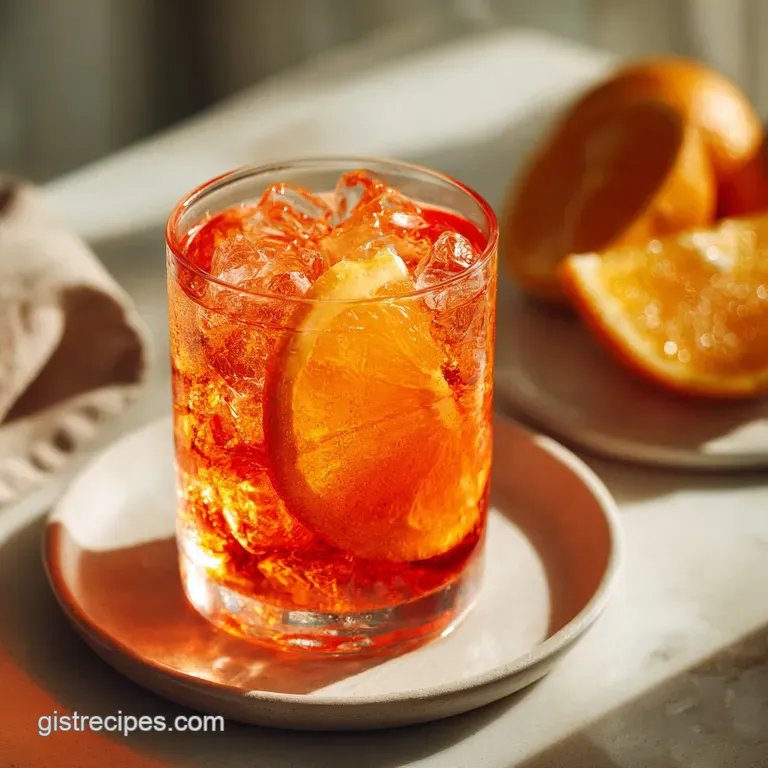
- Chill the glass. Place your wine glass in the freezer for 5 minutes. Note: This prevents the ice from melting the second it touches the glass.
- Add the ice. Fill the chilled glass to the brim with 2 cups of large clear ice cubes. Listen for the sharp "clink" against the glass.
- Pour the Prosecco. Slowly add 3 oz of chilled Prosecco over the ice at a 45 degree angle. Note: This preserves the maximum amount of carbonation.
- Register the aroma. Stop for a second and smell the yeasty, crisp scent of the sparkling wine hitting the ice.
- Add the Aperol. Pour 2 oz of Aperol directly into the center. Watch it swirl down like a neon sunset.
- Top with soda. Finish with 1 oz of chilled sparkling mineral water. You should hear an aggressive, sharp hiss.
- The gentle lift. Use a bar spoon to lift the ice from the bottom once. Do not stir vigorously. Note: Stirring destroys the bubbles we worked so hard to keep.
- Express the orange. Squeeze the 0.5 orange wheel over the glass to release the oils, then drop it in.
- The final scent check. You should smell a hit of fresh orange oil followed by the herbal bitterness of the liqueur.
- Serve immediately. The glass should be frosty and the drink should be dancing with bubbles.
Solving Common Balance Issues
Drink Tastes Too Sweet
If your drink feels heavy or cloying, it’s usually because the Prosecco wasn't dry enough or the ice started melting too fast. A Spritz should be refreshing and slightly medicinal, not like fruit punch.
Loss of Carbonation
Flat drinks are the enemy. This happens if your ingredients aren't cold enough or if you stirred the drink like you were mixing paint. Bubbles hate friction and warmth.
| Problem | Root Cause | Solution |
|---|---|---|
| Watery flavor | Small ice cubes | Use large, solid cubes to slow down the dilution rate |
| Too bitter | Too much Aperol | Increase the Prosecco ratio to 4 oz to dilute the bitterness |
| No "Zing" | Flat soda water | Use a freshly opened bottle of highly carbonated mineral water |
Common Mistakes Checklist
- ✓ Using room temperature wine (this kills bubbles instantly)
- ✓ Stirring too much (you only need one gentle "lift" with the spoon)
- ✓ Using "frizzante" instead of "spumante" Prosecco (frizzante has less pressure)
- ✓ Forgetting the orange zest (the aroma is 50% of the flavor experience)
- ✓ Skimping on the ice (more ice actually means less melting)
Bold Flavor Profile Adaptations
The Venetian Kick
If you want to lean into the viral "Spritz cocktail recipe with aperol and vodka" trend, add 0.5 oz of high-quality vodka. It doesn't change the flavor, but it gives the drink a cleaner, more alcoholic "bite" that some people prefer for late night hosting.
It’s a quick hit that makes the drink feel more substantial.
The Botanical Twist
For something more herbal, swap the soda water for a splash of tonic. The quinine in the tonic plays incredibly well with the gentian root in the Aperol. It results in a much more complex, slightly more bitter profile that feels very sophisticated.
When I’m making a full spread, I love pairing these bold drinks with something savory like a BBQ Meatball Recipe. The sweetness of the glaze and the saltiness of the meat are the perfect foil for the bittersweet orange notes in your glass.
Handling Storage and Leftovers
Let's be real: you can't really store a finished Spritz. Once the bubbles are gone, the magic is over. However, you can save your components. If you have half a bottle of Prosecco left, use a high-quality sparkling wine stopper. It can keep the wine fizzy for about 24 to 48 hours in the fridge.
Aperol itself has enough sugar and alcohol that it’s shelf stable, but keeping it in the fridge ensures it's always ready for a quick build.
For zero waste, don't throw away those orange peels! If you have leftover orange wheels, you can dehydrate them in a low oven (90°C) for a few hours. They make gorgeous, crunchy garnishes for future drinks or can be ground up with sugar for a citrusy rimming salt.
Even the leftover sparkling water can be used to revive wilted herbs in your fridge just give them a quick soak.
Curated Snacks for Entertaining
The best spritz cocktail recipe with aperol deserves snacks that can stand up to its intensity. In Italy, they call this "cicchetti." Think salty, fatty, and crunchy. Green Cerignola olives are a classic choice because their buttery texture balances the bitterness of the drink perfectly.
Potato chips are another internet famous pairing that actually works. The salt on the chips makes your tongue more sensitive to the sweet and citrus notes in the Aperol. If you want to go bigger, a small plate of prosciutto or sharp Pecorino cheese will highlight the dry notes of the Prosecco.
It’s all about creating that contrast between the icy, refreshing drink and the rich, salty snacks.
Dispelling Kitchen Myths
Myth: Ice dilutes the drink and ruins the flavor. Truth: The opposite is true! Using more ice keeps the liquid colder for longer, which actually slows down the melting process. A half filled glass of ice will melt twice as fast as a glass packed to the brim, leading to a watery drink.
Myth: You should always stir a cocktail to mix the flavors. Truth: With carbonated drinks, stirring is the enemy of effervescence. Because Aperol is denser than Prosecco, the act of pouring the liqueur over the wine does about 90% of the mixing for you.
One tiny lift of the spoon is all you need to finish the job without losing the fizz.
Myth: Any sparkling wine is basically Prosecco. Truth: Prosecco is made using the "Tank Method," which preserves the fresh, fruity flavors of the Glera grape.
Champagne or Cava often have "autolytic" notes (like brioche or toast) that can clash with the bright, citrusy profile of the Aperol. Stick to the Italian stuff for the most authentic experience.
Recipe FAQs
How do you make an Aperol Spritz cocktail?
Fill a large wine glass with large ice cubes. Pour 3 oz chilled Prosecco, followed by 2 oz Aperol, and top with 1 oz chilled sparkling mineral water. Give it one gentle lift with a bar spoon and garnish with an orange wheel.
What is the right ratio for an Aperol Spritz?
The classic ratio is 3:2:1. This translates to 3 parts Prosecco, 2 parts Aperol, and 1 part soda water. This specific balance ensures the bitterness is perfectly tempered by the dry wine and the resulting effervescence.
What to mix with Aperol Spritz for a stronger drink?
Add a small measure of vodka for a stronger base. Adding about 0.5 oz of vodka will increase the ABV without significantly altering the signature bittersweet flavor profile. If you are looking for a complete flavor pivot instead, check out the bright citrus notes in our Orange Crush Cocktail recipe.
What is the perfect Aperol Spritz mix?
Use high-quality, ice-cold Brut Prosecco and aggressively carbonated mineral water. The mix relies heavily on temperature and texture; everything must be near freezing to maintain maximum fizz and cut through the Aperol's sweetness.
Can I use club soda instead of sparkling mineral water?
Yes, but mineral water is highly recommended for better flavor complexity. Club soda is neutral, but mineral water contains salts that actually enhance the orange and bitter notes in the Aperol, providing a sharper finish.
Is it true that stirring ruins the Aperol Spritz?
Yes, excessive stirring destroys the carbonation. Due to the density difference between Aperol and Prosecco, simply pouring the ingredients allows them to mix naturally. You only need one quick, gentle lift from the bottom to integrate the components.
What kind of wine should I use if I run out of Prosecco?
Substitute with a chilled dry Cava or a Brut sparkling wine. Avoid sweet sparkling wines, as they will throw the entire 3-2-1 ratio out of balance and make the drink syrupy. Mastering temperature control in your mixes is key; if you enjoyed learning the precise chilling required here, you can apply that same rigor to baking methods in our Deviled Egg Dip recipe in 27 Minutes for perfect results.
Aperol Spritz Cocktail Recipe
Ingredients:
Instructions:
Nutrition Facts:
| Calories | 185 kcal |
|---|---|
| Protein | 0.2 g |
| Fat | 0.1 g |
| Carbs | 19.2 g |
| Sugar | 17.4 g |
| Sodium | 15 mg |
