Asian Garlic Shrimp: Restaurant Quality Glaze
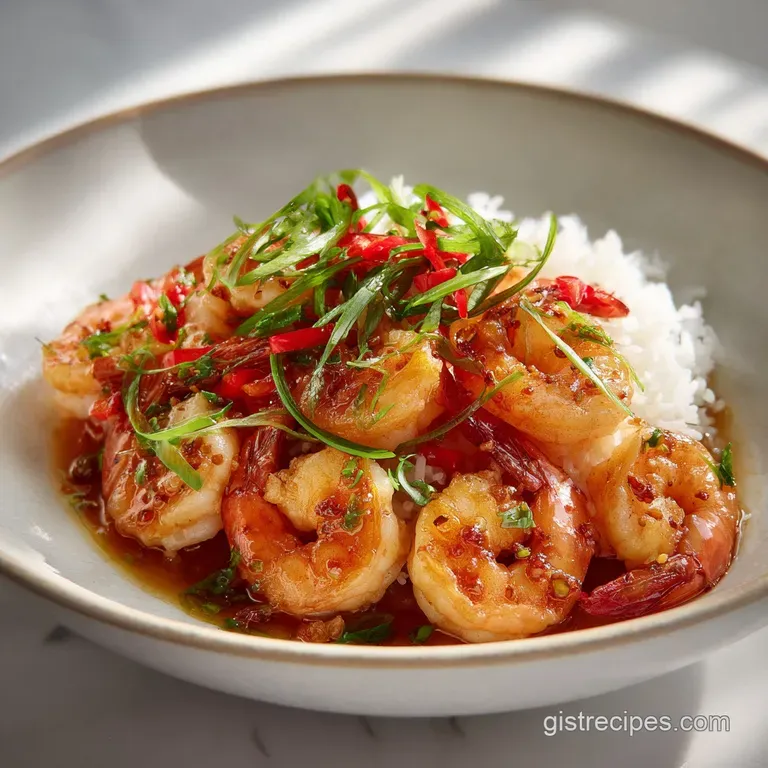
- Time: Active 5 minutes, Passive 5 minutes, Total 10 minutes
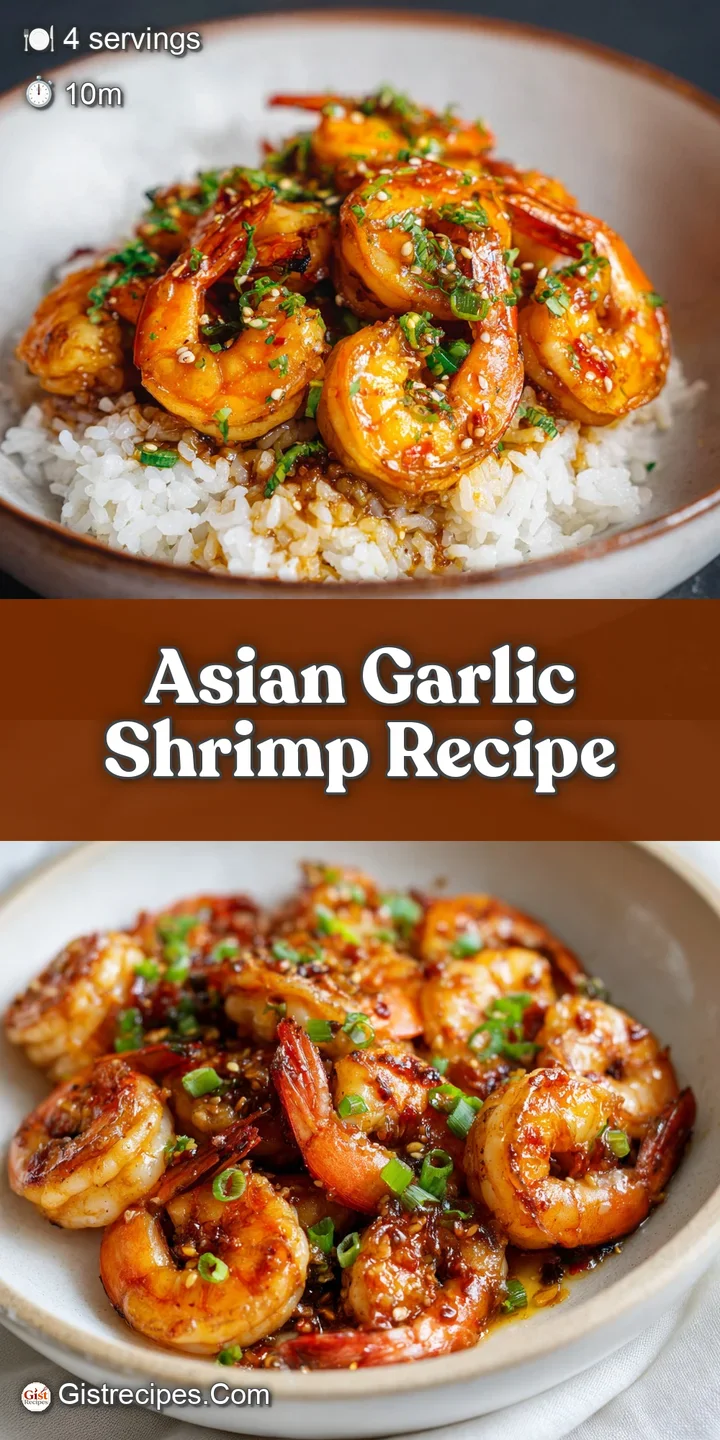
- Flavor/Texture Hook: Savory sweet velvety glaze with a garlic forward punch
- Perfect for: High protein weeknight dinners or impressive copycat takeout at home
- The Science Behind Achieving Perfect Shrimp Texture
- Essential Specifications for Your Next Weeknight Stir Fry
- The Alchemy of Umami: Selecting Your Elements
- Professional Tools for a Perfect Flash Sear
- Step-by-Step Evolution of the Flavor Glaze
- Troubleshooting the Most Common Stir Fry Obstacles
- Adjusting the Yield for Any Occasion
- Debunking Kitchen Legends and Myths
- Storage Guidelines and Zero Waste Tips
- Professional Presentation and Finishing Touches
- Recipe FAQs
- 📝 Recipe Card
The kitchen was thick with that heavy, sweet savory smoke that only happens when garlic hits screaming hot oil. I remember the first time I tried to recreate this dish after a trip to a hole in-the wall spot in San Francisco.
I dumped everything in the pan at once, and instead of that beautiful, bronzed sear, I ended up with a grey, watery mess. It was heartbreaking, honestly. I wanted that snap that specific resistance you get from a perfectly cooked shrimp and instead, I had something that felt like a pencil eraser.
But we've all been there, right? That failure is exactly what led me to obsess over the mechanics of this Asian Garlic Shrimp. I realized it wasn't about the ingredients alone; it was about the thermal transition.
You need the pan to be a weapon of heat, and you need your shrimp to be bone dry before they even see a drop of oil. Once I mastered the sequence of layering the aromatics, everything changed. Now, this is the dish I make when I want to feel like a grill master in my own kitchen without actually firing up the coals.
Trust me on this: once you see the way the honey and soy emulsify into a glossy, velvety lacquer, you'll never go back to the bottled stuff. We’re going to build layers of flavor here, starting with the sharp bite of fresh ginger and ending with the toasted warmth of sesame.
It’s fast, it’s aggressive, and it’s arguably the most satisfying thing you’ll cook this week. Let’s crack on.
The Science Behind Achieving Perfect Shrimp Texture
Protein Denaturation: High heat causes the shrimp's proteins to uncoil and rebond quickly, creating that signature "snap" texture before the moisture can escape. If cooked too slow, the proteins tighten into a rubbery knot.
Maillard Reaction: The combination of honey and soy sauce reacts with the high heat to create hundreds of new flavor compounds, resulting in a savory, bronzed exterior. This only happens effectively if the surface moisture is minimized.
Emulsification Stability: Cornstarch acts as a bridge between the toasted sesame oil and the water based soy sauce, creating a thick glaze that coats rather than pools.
| Thickness (Shrimp Size) | Internal Temp | Rest Time | Visual Cue |
|---|---|---|---|
| Large (21/25 count) | 120°F (49°C) | 2 minutes | Opaque white with pink C shape |
| Jumbo (16/20 count) | 120°F (49°C) | 3 minutes | Firm to the touch, no translucency |
| Colossal (U-10) | 120°F (49°C) | 4 minutes | Deep coral exterior, white center |
The key is to pull them just before they reach their final temperature, as carryover heat will finish the job while you're tossing them in the sauce. For a side that absorbs every drop of that glaze, this Parmesan Garlic Rice recipe is a total winner.
Essential Specifications for Your Next Weeknight Stir Fry
To get that authentic restaurant finish, we have to talk about the "how" before the "what." Most home cooks overcrowd the pan, which drops the temperature and steams the protein. We want a sizzle that sounds like a round of applause. If you aren't hearing that, your pan isn't ready.
Chef's Tip: Freeze your fresh ginger for 15 minutes before grating. It prevents the ginger from turning into a stringy pulp and gives you a fine, snowy texture that melts into the sauce.
Another trick I've learned is to smash half the garlic cloves with the side of your knife before mincing. This releases the allicin the compound responsible for that pungent garlic kick more effectively than a clean slice.
You get two different garlic experiences: the mellow, browned bits and the sharp, aromatic infusion in the oil. It’s these small tweaks that turn a simple Asian garlic shrimp stir fry into something you'd pay $30 for at a bistro.
| Component | Science Role | Pro Secret |
|---|---|---|
| Honey | Caramalization | Adds viscosity and balances the salt of the soy. |
| Cornstarch | Viscosity | Prevents the sauce from breaking under high heat. |
| Sesame Oil | Aromatics | Add this at the end to preserve the volatile oils. |
| Garlic | Flavor Base | Mince finely for maximum surface area and browning. |
The Alchemy of Umami: Selecting Your Elements
Selecting the right shrimp is half the battle. I always opt for "Easy Peel" frozen shrimp if I can't find fresh off-the boat options. They are usually flash frozen (IQF), which preserves the cellular structure better than "fresh" shrimp that have been sitting on ice for three days.
- 1.5 lbs Large Shrimp: Peeled and deveined. Why this? Large size provides the best surface to interior ratio for searing.
- Substitute: Scallops (same weight, similar cook time).
- 1 tbsp Neutral Oil: Like avocado or canola. Why this? High smoke point prevents the oil from burning.
- Substitute: Grapeseed oil.
- 5 cloves Fresh Garlic: Mincd finely. Why this? The backbone of the entire flavor profile.
- Substitute: 1.5 tsp garlic powder (not recommended for authentic flavor).
- 1 tbsp Fresh Ginger: Grated. Why this? Cuts through the richness with a bright, peppery note.
- Substitute: 0.5 tsp ground ginger.
- 3 tbsp Low Sodium Soy Sauce: The salt element. Why this? Controls salt levels while providing deep umami.
- Substitute: Tamari for a gluten-free option.
- 2 tbsp Honey: The sweetener. Why this? Creates the sticky, glossy glaze.
- Substitute: Brown sugar or maple syrup.
- 1 tsp Cornstarch: The thickener. Why this? Ensures the sauce clings to the shrimp.
- Substitute: Arrowroot powder.
- 1 tsp Chili Garlic Sauce: For heat. Why this? Adds fermented complexity and a gentle kick.
- Substitute: Sriracha or red pepper flakes.
- 1 tbsp Toasted Sesame Oil: The finisher. Why this? Provides an earthy, nutty aroma.
- Substitute: Toasted sesame seeds (extra).
Professional Tools for a Perfect Flash Sear
While you can technically make this in any pan, a heavy bottomed skillet is your best friend. I swear by my 12 inch cast iron for this. It holds onto heat like a beast, meaning when the cold shrimp hit the surface, the temperature doesn't plummet.
If you use a thin non stick pan, you’ll likely end up steaming the food rather than searing it.
You also need a solid whisk for that cornstarch slurry. If you don't whisk the soy, honey, and cornstarch thoroughly before they hit the heat, you'll get gelatinous clumps that are impossible to smooth out.
A microplane is another non negotiable for me it makes quick work of the ginger and garlic, ensuring they are fine enough to emulsify into the Asian garlic shrimp sauce.
If you find yourself making a lot of these over high heat meals, similar to the technique in my Garlic Butter Chicken recipe, investing in a high-quality carbon steel wok is a life changer. It develops a natural non stick surface over time and handles the "breath of the wok" (wok hei) flavor that makes Chinese garlic shrimp recipe styles so iconic.
step-by-step Evolution of the Flavor Glaze
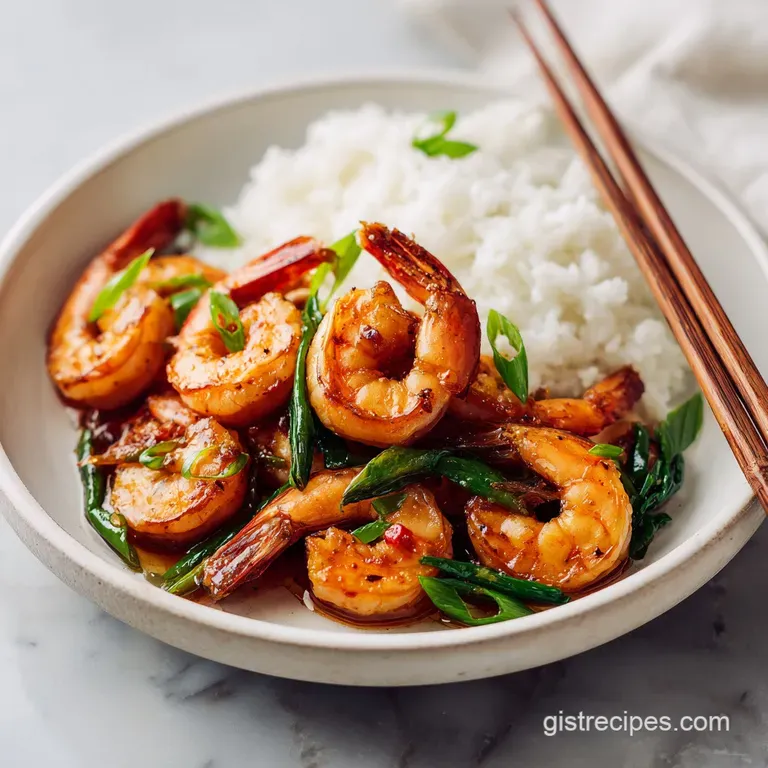
Phase 1: The Aromatic Foundation
Pat the 1.5 lbs of shrimp with paper towels until they are bone dry. Season with 0.5 tsp salt and 0.25 tsp black pepper. Note: Surface moisture is the enemy of a good sear.
Phase 2: The over High heat Flash Sear
Whisk 3 tbsp soy sauce, 2 tbsp honey, 1 tsp cornstarch, and 1 tsp chili garlic sauce in a small bowl. Ensure no lumps remain. Note: Preparing the sauce ahead of time is vital for such a fast cook.
Phase 3: The Searing Action
Heat 1 tbsp neutral oil in a large skillet over high heat until the oil ripples and just begins to smoke.
Phase 4: Searing the Protein
Add shrimp in a single layer. Cook for 2 minutes until the bottom edges turn a vibrant pink orange. Do not move them!
Phase 5: The Aromatic Infusion
Flip the shrimp and immediately add 5 cloves of minced garlic and 1 tbsp grated ginger. Note: Adding garlic now prevents it from burning during the initial sear.
Phase 6: Glaze Application
Pour the sauce mixture over the shrimp. Cook for 1 minute until the liquid bubbles and thickens into a glossy lacquer.
Phase 7: The Final Emulsification
Remove from heat and stir in 1 tbsp toasted sesame oil. Note: This preserves the delicate aroma of the sesame.
Phase 8: The Finishing Touch
Garnish with 2 sliced green onions and 1 tsp toasted sesame seeds. Serve immediately while the sauce is still shimmering.
Troubleshooting the Most Common Stir Fry Obstacles
Why Your Shrimp Turned Out Watery
This usually happens because the pan wasn't hot enough or you overcrowded it. When you put too much cold protein in a pan at once, the temperature drops, the shrimp release their juices, and they end up boiling in their own liquid. Work in batches if your pan is small.
Why the Sauce is Too Gummy
If the sauce turns into a thick paste rather than a smooth glaze, you likely overcooked the cornstarch or didn't have enough liquid to balance the starch. You can fix this by adding a tablespoon of water or broth to thin it out while it's still on the heat.
| Problem | Root Cause | Solution |
|---|---|---|
| Rubbery Texture | Overcooking | Pull shrimp when they form a "C" shape, not an "O". |
| Bitter Garlic | Burnt Aromatics | Add garlic only in the last 60-90 seconds of cooking. |
| Thin Sauce | Starch not activated | Ensure the sauce reaches a full simmer to trigger the cornstarch. |
Common Mistakes Checklist
Adjusting the Yield for Any Occasion
When you're scaling down for a solo dinner, don't just cut everything in half and use the same big pan. A smaller pan is necessary to keep the sauce from evaporating too quickly. If you're using a large pan for a half portion, the sauce will disappear before it has a chance to coat the shrimp.
Scaling up is where things get tricky. Never double the recipe and cook it all at once in one skillet. You’ll end up with steamed shrimp. Cook the shrimp in two or three batches, then return them all to the pan at the very end just to toss them in the double batch of sauce.
It takes an extra 5 minutes, but the texture remains elite.
If you’re looking for a different protein to scale for a crowd, my Slow Cooker Garlic recipe is a great alternative that handles volume much better than a quick stir fry.
| Method | Time | Texture | Best For |
|---|---|---|---|
| Stovetop Skillet | 5 minutes | Snappy & Bronzed | Maximum flavor and texture |
| oven-roasted | 8 minutes | Tender & Even | Hands off bulk cooking |
| Air Fryer | 6 minutes | Extra Crispy Edges | Quick cleanup |
Debunking Kitchen Legends and Myths
"Fresh is always better than frozen." Actually, unless you live next to a shrimp pier, "fresh" shrimp at the grocery store are usually just frozen shrimp that the butcher thawed for you. Buying them frozen yourself gives you more control over the quality.
"You must remove the tails before cooking." Keeping the tails on actually protects the delicate end of the shrimp from overcooking and adds a bit of flavor to the sauce during the sear. Plus, it looks much better for presentation.
"Marinating shrimp for hours makes them better." Because shrimp are so small and delicate, a long marinade in anything acidic (like soy or citrus) will actually "cook" the protein, turning it mushy. A 5 minute toss right before the pan is all you need for an easy Asian garlic shrimp.
Storage Guidelines and Zero Waste Tips
Storage: Keep leftovers in an airtight container in the fridge for up to 3 days. When reheating, do it gently in a skillet over medium low heat with a splash of water to loosen the sauce. Avoid the microwave if possible, as it will turn the shrimp into rubber.
Freezing: I don't recommend freezing the cooked dish, as the texture of the shrimp and the cornstarch based sauce degrades significantly once thawed.
Zero Waste: Don't toss those shrimp shells! Throw them in a freezer bag. Once you have a few handfuls, simmer them with some aromatics for 20 minutes to make a quick seafood stock for your next risotto or soup.
Professional Presentation and Finishing Touches
Aesthetics matter, especially with a dish this fast. To get that high end look, don't just dump the shrimp onto a plate. Arrange them in a circular pattern and pour the remaining glaze from the pan directly over the center. The way the light hits the glossy Asian garlic shrimp sauce is half the appeal.
Use a mix of the white and green parts of the scallions. The white parts provide a bit of crunch and sharp flavor, while the green parts give you that vibrant, fresh contrast against the deep mahogany of the soy honey glaze.
If you want a bit of extra texture, a sprinkle of toasted panko breadcrumbs on top can add a delightful "shatter" to every bite.
For the ultimate meal, serve this over a bed of jasmine rice or even Asian garlic shrimp noodles (just toss cooked lo mein in the pan with the extra sauce). It’s a versatile, savory powerhouse that proves you don't need hours in the kitchen to create something truly elite.
Just remember: high heat, dry shrimp, and don't burn the garlic!
Frequently Asked Questions
Can I use cooked shrimp for this? I strongly advise against it. Re cooking pre cooked shrimp will almost certainly result in a rubbery, tough texture. The magic of this dish is the quick transition from raw to perfectly seared.
Is this recipe spicy? The 1 tsp of chili garlic sauce provides a very mild, approachable heat. If you want it spicy, double the chili garlic sauce or add a teaspoon of red pepper flakes to the oil during the garlic phase.
Can I substitute the honey? Yes, brown sugar is the best substitute. It provides a similar caramelization and depth. Maple syrup also works but will slightly alter the flavor profile toward an earthier sweetness.
How do I know when the shrimp are done? Look for the "C" shape. A perfectly cooked shrimp looks like a "C". If it has curled into a tight "O", it is overcooked and likely tough.
What kind of oil is best? Any oil with a high smoke point. Avocado oil is my favorite, but canola, vegetable, or peanut oil all work perfectly for this over high heat application. Avoid extra virgin olive oil as it will smoke and turn bitter at these temperatures.
Recipe FAQs
Can I substitute frozen shrimp for fresh shrimp?
Yes, but thaw them completely first. Ensure frozen shrimp are fully thawed and patted completely dry before cooking, as any residual ice or water will cause steaming instead of searing.
How do I prevent the garlic from burning during the quick sear?
Add the minced garlic after flipping the shrimp. Searing the raw shrimp first absorbs the initial high heat, allowing you to add the aromatics in the last 60 90 seconds without scorching them.
How to achieve the thick, glossy sauce texture?
Whisk cornstarch into the cold liquid base before adding it to the pan. The cornstarch requires high heat to activate its thickening properties, creating that desirable lacquer that clings perfectly.
How do I know exactly when the shrimp are done cooking?
Pull the shrimp when they form a loose "C" shape. A fully cooked shrimp should be opaque white and curved; if it forms a tight "O" shape, it is overcooked and will be rubbery.
Is it true that marinating shrimp for hours improves flavor?
No, this is a common misconception. Shrimp proteins denature quickly; extended marination, especially with acidic ingredients, will actually break down the texture and make the shrimp mushy.
How should I adjust the recipe if I am only cooking for one person?
Use a smaller skillet to maintain high heat density. When scaling down, using a pan that is too large will cause the sauce to spread too thin and evaporate before it thickens properly.
What can I serve this Asian Garlic Shrimp with for a complete meal?
This pairs wonderfully with something absorbent to soak up the leftover glaze. If you enjoyed mastering the high heat sear technique here, see how the same principle of quick cooking works on poultry in our Baked Chicken Kabobs recipe.
Asian Garlic Shrimp In 10 Min
Ingredients:
Instructions:
Nutrition Facts:
| Calories | 258 kcal |
|---|---|
| Protein | 34.9 g |
| Fat | 8.1 g |
| Carbs | 11.5 g |
| Fiber | 0.4 g |
| Sugar | 8.6 g |
| Sodium | 652 mg |
