Spring Supper Recipe with Asparagus and Lemon
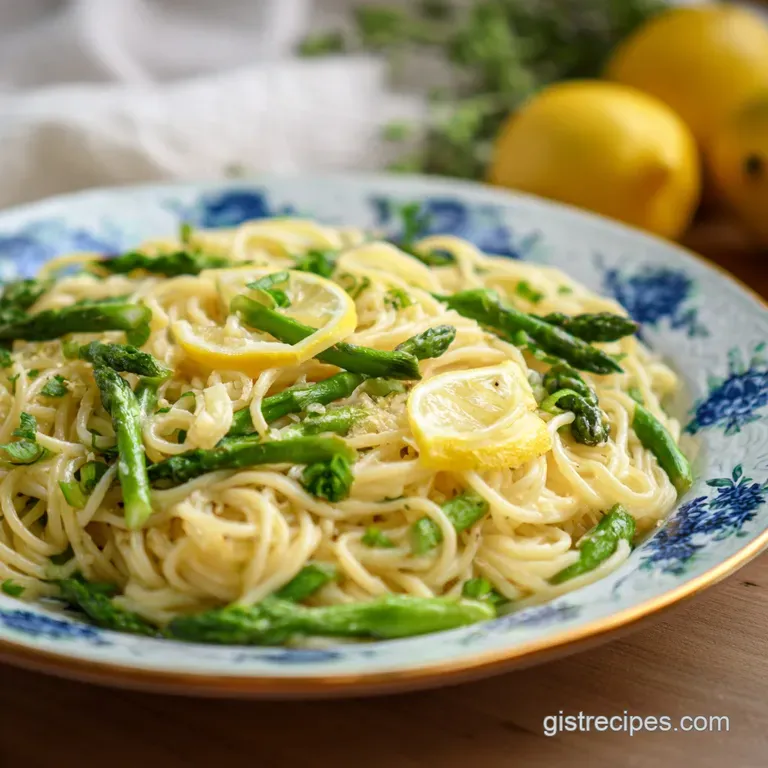
- Time: Active 10 minutes, Passive 5 minutes, Total 15 minutes
- Flavor/Texture Hook: Zesty, buttery, and snappy
- Perfect for: Busy weeknights, lazy Sunday lunches, or a light date night
- Why this Simple Vegetable Pasta creates a Comforting Harmony
- Component Analysis for the Ideal Spring Meal
- Gathering the Garden Fresh Elements for your Supper Table
- Essential Tools for Achieving a Velvety Lemon Butter Sauce
- Crafting the Perfect Spring Meal from Boil to Sizzle
- Fixing Common Pasta Pitfalls for a Flawless Spring Dinner
- Simple Adjustments to Suit your Pantry and Dietary Needs
- Best Practices for Keeping Leftovers Fresh and Brightly Flavored
- Completing your Table with the Best Spring Side Dish Pairings
- Frequently Asked Questions
- Troubleshooting Common Issues
- Recipe FAQs
- 📝 Recipe Card
Why this Simple Vegetable Pasta creates a Comforting Harmony
To understand why this dish feels so satisfying, we have to look at how the flavors interact on a molecular level. It isn't just a pile of noodles; it's a carefully balanced ecosystem of fat, acid, and starch that works together to coat your palate.
- The Physics of the Gloss: Starch molecules from the linguine water act as a bridge, allowing the fat in the butter and oil to emulsify into a velvety coating rather than a greasy puddle.
- Enzymatic Snappiness: Briefly sautéing the asparagus at a high temperature softens the cellulose just enough to make it tender while preserving the internal moisture for a fresh "pop."
- Aromatic Diffusion: Thinly slicing the garlic instead of mincing it allows the flavor to infuse the oil gently without the risk of burning and turning bitter.
- Acidic Balance: The citric acid in the lemon juice cuts through the richness of the Pecorino, acting as a palate cleanser that keeps the dish from feeling heavy.
| Thickness | Internal Temp | Rest Time | Visual Cue |
|---|---|---|---|
| Pencil Thin | N/A | 1 min | Bright neon green |
| Medium Stalks | N/A | 2 mins | Tender crisp snap |
| Thick/Jumbo | N/A | 3 mins | Slight char on tips |
Finding the right balance of ingredients can be tricky if you are watching your grocery budget or feeding a crowd. While fresh parmigiano reggiano is the gold standard, there are ways to keep this comforting and accessible without losing that "grandma's kitchen" soul.
Component Analysis for the Ideal Spring Meal
The success of this recipe hinges on the quality of your produce and how you handle the starches. Even though we are using simple items, each one plays a structural role in the final bite.
| Ingredient | Science Role | Pro Secret |
|---|---|---|
| Fresh Asparagus | Structural Crunch | Peel the bottom inch of thicker stalks for a uniform, velvety texture. |
| Large Lemon | Acidic Brightener | Roll the lemon on the counter before squeezing to break the juice membranes. |
| Pasta Water | Emulsifying Agent | It contains starch that binds the butter and oil together into a cohesive sauce. |
| Unsalted Butter | Fat & Mouthfeel | Use cold butter at the very end to create a glossy, thick finish. |
Whenever I’m at the store, I look for asparagus stalks that have tightly closed tips. If they look like they are starting to flower or feel soft, they’ve been sitting out too long. This is one of those family classics where the freshness of the vegetable really dictates the mood of the whole dinner.
Gathering the Garden Fresh Elements for your Supper Table
You probably have half of these ingredients in your pantry right now. That is the beauty of a spring supper; it relies on the basics to let the seasonal stars shine.
- 1 lb (450g) Fresh asparagus: Trim the woody ends and cut them into 2 inch pieces. Why this? Provides the "meatiness" and earthy flavor of the dish.
- 12 oz (340g) Linguine or Fettuccine pasta: Any long, flat noodle works well here. Why this? The flat surface area is perfect for holding onto the lemon butter.
- 3 tbsp (42g) Unsalted butter: If you use salted, just reduce the extra kosher salt.
- 2 tbsp Extra virgin olive oil: Use a fruity oil if possible.
- 1 large Lemon: We need both the zest and the juice for layers of flavor.
- 2 cloves Garlic: Thinly sliced to prevent burning.
- 1/2 cup (50g) Freshly grated Parmesan or Pecorino Romano: Adds the necessary salt and umami.
- 2 tbsp Fresh parsley: Finely chopped for a final herbal lift.
- 1/2 tsp Red pepper flakes: Adjust based on your heat preference.
- 1 tsp Kosher salt: For the pasta water and the final seasoning.
- 1/2 tsp Freshly cracked black pepper: Essential for depth.
| Original Ingredient | Substitute | Why It Works |
|---|---|---|
| Asparagus | Snap Peas | Similar crunch and sweetness; requires less cook time. |
| Pecorino Romano | Nutritional Yeast | Provides a nutty, salty kick for a dairy-free version. Note: Texture will be less creamy. |
| Linguine | Spaghetti | Similar shape. Note: Holds slightly less sauce due to smaller surface area. |
Essential Tools for Achieving a Velvety Lemon Butter Sauce
You don't need much, but a large skillet is non negotiable. You need enough surface area for the asparagus to sauté rather than steam. If you crowd them into a small pot, they’ll lose that beautiful bright green color and turn grey.
I always use a microplane for the lemon zest. You want tiny, delicate shards that melt into the sauce, not large chunks of bitter pith. Also, a pair of silicone tipped tongs will be your best friend when it comes to tossing the pasta with the lemon and cheese it’s much easier than using a fork.
Crafting the Perfect Spring Meal from Boil to Sizzle
Before you start, make sure your pasta water is as salty as the sea. This is your only chance to season the actual noodles from the inside out. Don't be shy with the salt; most of it goes down the drain anyway!
- Boil the pasta. Cook the 12 oz linguine in a large pot of salted water. Note: Drain 2 minutes before the package says "al dente" as it finishes in the pan.
- Save the liquid. Scoop out 1 cup of the starchy pasta water before draining. Do not skip this.
- Heat the fats. In a large skillet over medium heat, add the 2 tbsp olive oil and 1 tbsp of the butter.
- Sauté the aromatics. Add the sliced garlic and 1/2 tsp red pepper flakes. Cook until the garlic smells toasted and fragrant.
- Cook the asparagus. Toss in the 1 lb of asparagus pieces. Sauté for 3-4 minutes until they are bright green and just tender.
- Create the base. Pour in 1/2 cup of the reserved pasta water and the remaining 2 tbsp of butter.
- Emulsify the sauce. Whisk or swirl the pan until the butter melts and the liquid looks slightly thickened and creamy.
- Combine the elements. Add the drained pasta to the skillet along with the lemon juice and zest.
- Add the cheese. Sprinkle in the 1/2 cup of Parmesan and the parsley. Toss vigorously until the cheese melts into the sauce.
- Final seasoning. Season with the salt and black pepper. Serve immediately while the aroma of lemon fills the room.
Chef's Tip: If the pasta looks dry when you add the cheese, splash in more of that reserved pasta water. It’s the "liquid gold" that fixes almost any pasta mistake.
Fixing Common Pasta Pitfalls for a Flawless Spring Dinner
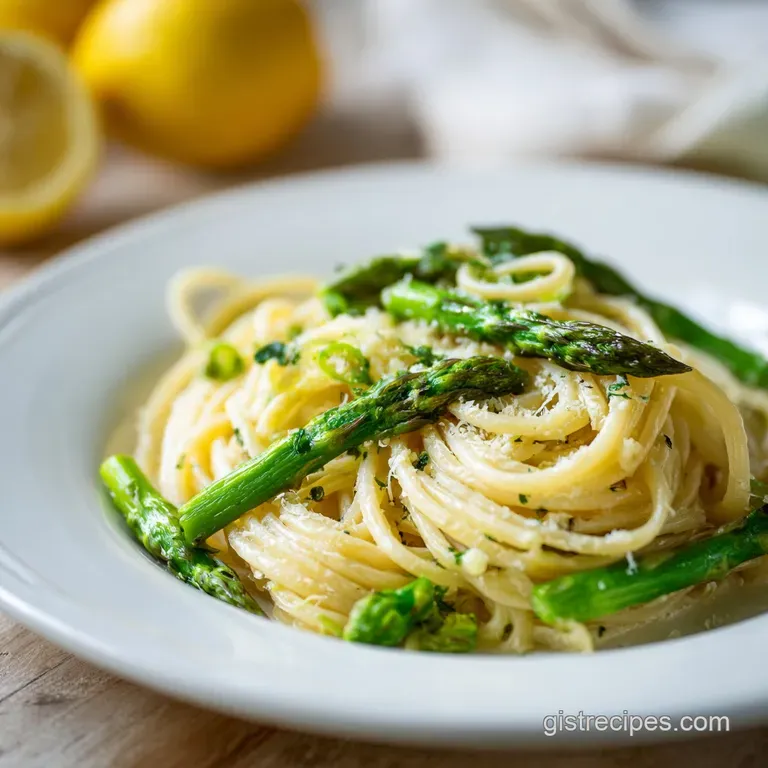
We have all been there the sauce is too thin, or the garlic turned black and bitter in the blink of an eye. Cooking is about recovery as much as it is about execution.
Sauce consistency issues
If your sauce is watery and pooling at the bottom of the bowl, it usually means the emulsion didn't break down the fats properly. This happens if the pan isn't hot enough when you add the pasta water, or if you didn't toss the pasta enough. The friction of tossing the noodles helps the starch and fat bind together.
Bitter garlic flavor
Garlic can go from perfect to burnt in ten seconds. If you see it turning dark brown, pull the pan off the heat immediately. If it's already burnt, honestly, it's better to wipe the pan and start that step over. The bitterness of burnt garlic will ruin the delicate lemon flavor.
| Problem | Root Cause | Solution |
|---|---|---|
| Mushy Asparagus | Overcooking in water | Sauté directly in the skillet; skip the pre boil. |
| Clumping Cheese | Added to high heat | Remove pan from heat before stirring in the Parmesan. |
| Dry Pasta | Not enough liquid | Add reserved pasta water 1/4 cup at a time until glossy. |
Common Mistakes Checklist
- ✓ Always save the pasta water before draining the pot.
- ✓ Don't overcook the asparagus; it should have a "shatter" when you bite.
- ✓ Use fresh lemon, never the bottled juice (it lacks the bright oils).
- ✓ Add the cheese at the very end to prevent it from turning stringy.
- ✓ Preheat your skillet for a full 2 minutes before adding the oil.
Simple Adjustments to Suit your Pantry and Dietary Needs
This dish is a blank canvas. While the lemon and asparagus are the stars, you can easily pivot based on what you have in the fridge. If you want a bit more protein, you can't go wrong with a Creamy Lemon Chicken recipe on the side.
- Make it Vegan: Swap the butter for a high-quality vegan butter or extra olive oil, and use nutritional yeast or a vegan parmesan alternative.
- Add a Crunch: Toasted pine nuts or panko breadcrumbs sautéed in a little butter make a fantastic topping that adds a "shatter" effect to every bite.
- gluten-free: Use your favorite gluten-free linguine. Just be aware that gluten-free pasta water is often cloudier and starchier, so you might need slightly less of it to thicken the sauce.
| Fast Method | Classic Method |
|---|---|
| Uses pre trimmed asparagus | Peeling and shaping individual stalks |
| Jarred minced garlic | Hand sliced garlic cloves |
| 15 minute total time | 30 minute slow infusion |
Best Practices for Keeping Leftovers Fresh and Brightly Flavored
Pasta is always best fresh, but we don't like to waste good food in this house! You can store leftovers in an airtight container in the fridge for up to 3 days. The asparagus will lose its bright green color over time, turning a bit olive hued, but the flavor will still be there.
For reheating, don't use the microwave if you can avoid it it turns the pasta rubbery. Instead, put the leftovers in a skillet with a splash of water or a tiny knob of butter. Heat it over medium low, tossing gently, until the sauce becomes silky again.
If you have leftover lemon, a fresh squeeze right before eating will wake up all the flavors that went dormant in the fridge.
For a zero waste tip: don't throw away those woody asparagus ends! Toss them into a bag in the freezer. When the bag is full, boil them with some onion and carrot to make a light, earthy vegetable stock for your next soup.
Completing your Table with the Best Spring Side Dish Pairings
When I serve this for a family gathering, I like to keep the sides light and refreshing. A simple arugula salad with a balsamic vinaigrette provides a peppery contrast to the buttery pasta. If you want something a bit heartier to round out the meal, this Southern Black Eyed recipe adds a lovely textural contrast that feels just as fresh and seasonal.
- If you want more bulk, add a handful of rotisserie chicken or sautéed shrimp directly into the pan during the final toss.
- If you want it lighter, swap half the pasta for zucchini noodles (zoodles) to increase the vegetable to carb ratio.
- If you want it fancier, top each bowl with a dollop of fresh ricotta cheese and a few torn mint leaves for a truly "grandma's garden" feel.
This supper is about more than just the food; it's about that feeling of the windows being open for the first time in months, the sun staying up a little longer, and the comfort of a warm bowl of pasta shared with the people you love.
It’s simple, it’s honest, and it’s exactly what spring should taste like.
Frequently Asked Questions
Troubleshooting Common Issues
| Issue | Solution |
|---|---|
| Use frozen asparagus for this recipe | While you can use frozen asparagus, it will not have the same "snap" or texture as fresh. Frozen vegetables are blanched before freezing, which breaks down the cell walls. If you must use frozen, add |
| Lemon sauce not sticking to the pasta | The most common reason for a "slippery" sauce is rinsing the pasta. Never rinse your pasta after boiling! You want that surface starch to help the lemon butter cling to the noodles. Plus,, make |
| Is there a substitute for the wine if I want a deeper flavor | This recipe doesn't call for wine, but if you want to add a layer of complexity, you can deglaze the garlic and asparagus with 1/4 cup of dry white wine (like Pinot Grigio) before adding the pasta wat |
| Know when the asparagus is perfectly cooked | The best way to tell is by color and a quick taste test. The stalks should turn a vibrant, bright green. If you pierce one with a fork, it should go in with just a little bit of resistance. If it feel |
| What is the best way to zest a lemon without the bitter part | Use a fine grater or microplane and only swipe the lemon across it once in each spot. You only want the bright yellow outer layer. Once you see the white "pith" underneath, rotate the lemon. The pith |
Recipe FAQs
Can I substitute frozen asparagus for fresh in this recipe?
No, fresh is highly recommended. Frozen asparagus releases excess water during thawing and cooking, which dilutes your delicate lemon butter sauce.
How to achieve a glossy, non-greasy sauce coating the pasta?
Reserve and vigorously incorporate starchy pasta water. The starch acts as an emulsifier, bridging the fat (butter/oil) and the water into a cohesive, creamy glaze that clings to the noodles.
What is the best way to slice garlic to prevent burning?
Slice the garlic thinly and add it to cool oil with the pepper flakes. Heat the pan slowly over medium low heat, allowing the garlic to infuse the oil gently before it browns.
Is it necessary to use Pecorino Romano cheese, or can I use pre-shredded Parmesan?
No, freshly grated cheese is essential for this sauce to emulsify properly. Pre-shredded cheese contains anti caking agents that prevent it from melting smoothly, resulting in a gritty sauce.
How long should the asparagus cook to maintain a tender crisp texture?
Sauté the asparagus for 3 to 4 minutes over medium high heat. You are looking for a bright green color and a slight resistance when pierced; overcooking will result in a soft, drab vegetable.
What is the secret to getting intense, clean lemon flavor without bitterness?
Use only the bright yellow zest and then the juice, avoiding the white pith. The pith contains bitter oils; you need careful zesting to extract maximum essential oils from the skin, similar to how acid balance is managed in a side dish like our Parmesan Garlic Rice recipe.
Can I cook this dish using a slow cooker method?
No, this recipe requires high heat sautéing for the sauce building. For a slow cooker approach to a bright, flavorful main, you would be better served by following a method similar to our Crockpot Salsa Verde recipe, focusing on low and slow tenderizing.
Asparagus Lemon Supper In 15 Min
Ingredients:
Instructions:
Nutrition Facts:
| Calories | 528 kcal |
|---|---|
| Protein | 17.4 g |
| Fat | 21.2 g |
| Carbs | 69.8 g |
| Fiber | 4.6 g |
| Sugar | 3.2 g |
| Sodium | 425 mg |
