Baked Italian Sub Sandwich Recipe
- Time: Active 15 minutes, Passive 15 minutes, Total 30 minutes
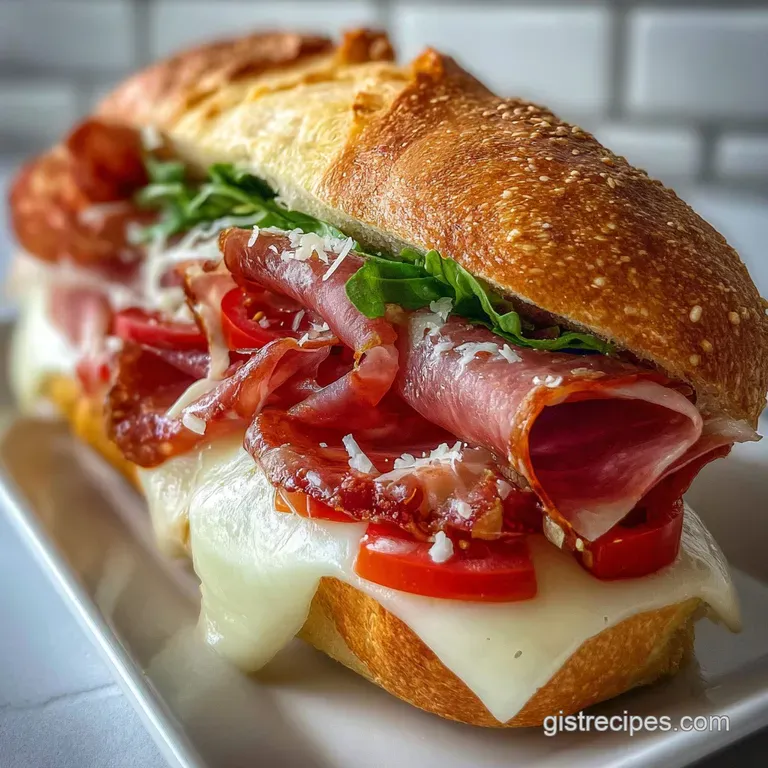
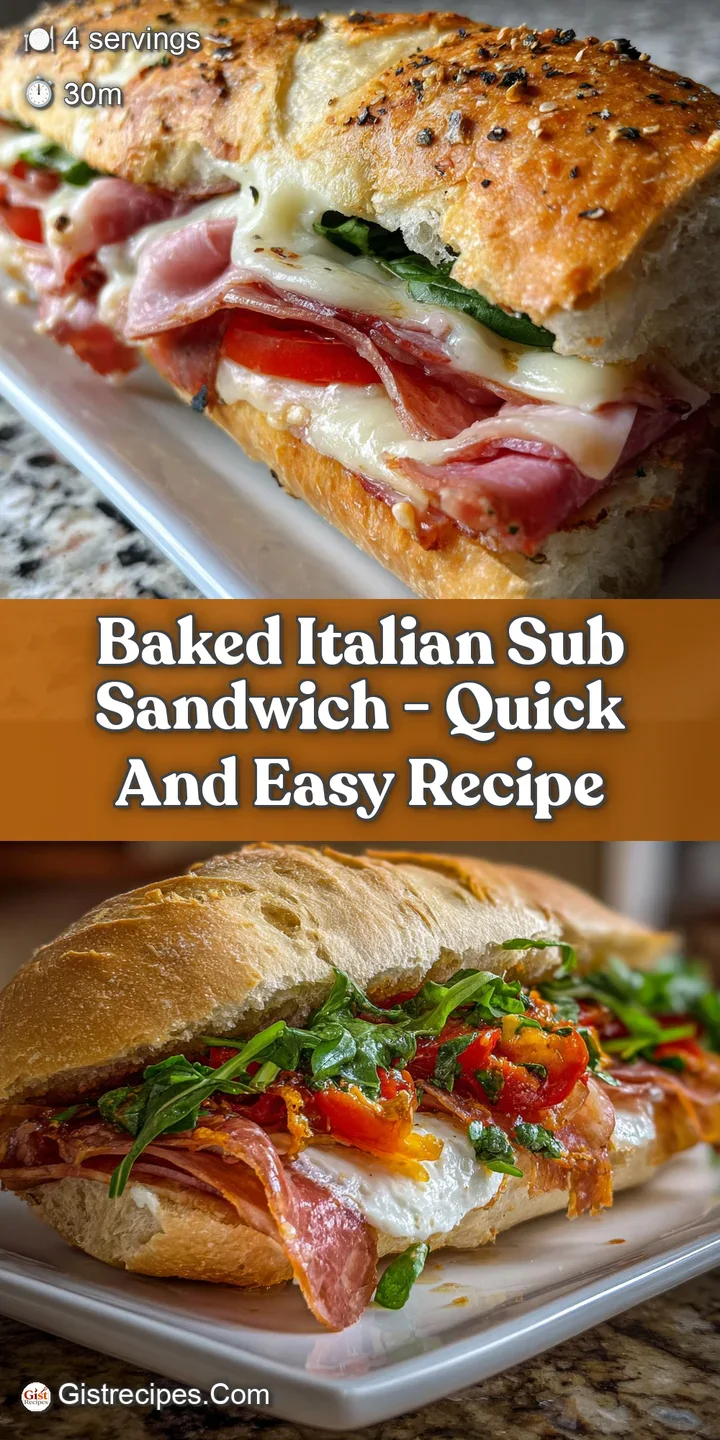
- Flavor/Texture Hook: A shatteringly crisp crust giving way to velvety melted provolone and warm, salty Italian meats.
- Perfect for: Family game nights, easy weekend lunches, or feeding a hungry crowd without stress.
- Mastering the Classic Comfort of a Baked Italian Sub Sandwich
- The Architecture of the Perfect Toast
- Component Analysis and Ingredient Deep Dive
- Gathering Your Essentials for the Sub
- Tools for a Flawless Bake
- Layering Flavors for the Final Oven Bake
- Solving Texture and Temperature Issues
- Adjusting for Different Group Sizes
- Debunking Baked Sandwich Misconceptions
- Storage Guidelines and Zero Waste
- Perfect Pairings for Your Meal
- Very High in Sodium
- Recipe FAQs
- 📝 Recipe Card
Mastering the Classic Comfort of a Baked Italian Sub Sandwich
There is a specific sound that happens when you pull a tray of these subs out of the oven. It is that low, rhythmic sizzle of pepperoni oil bubbling against the edges of the bread, mingling with the aroma of toasted oregano and roasted garlic.
I remember the first time I tried baking my subs instead of eating them cold. I was tired of sandwiches that felt like a pile of separate ingredients. I wanted something cohesive, something that felt like it came from a tiny, decades old shop in South Philly.
When you bake these, the heat does something magical to the Genoa salami and capicola. The edges of the meat crisp up just enough, and the sharp provolone doesn't just sit there it acts as the mortar that holds your flavor fortress together.
It's the kind of meal that makes everyone quiet down the moment it hits the table because they're too busy enjoying that first, warm crunch. We've all had those soggy, sad sandwiches from the local chain, but this is different. This is a family classic in the making.
We are going to focus on building layers of flavor here. It isn't just about slapping meat on bread. We're talking about a garlic infused butter glaze that seeps into the crust and a "grinder style" salad topper that adds a cold, acidic punch to the rich, warm interior.
It's a study in contrasts that will honestly change the way you look at a loaf of Italian bread forever. Trust me, once you go the baked route, it's very hard to go back to a cold sub.
The Architecture of the Perfect Toast
Fat Induced Heat Transfer: The melted butter on the exterior acts as a conductor, ensuring the bread reaches a golden brown state before the interior becomes overly dry.
Protein Denaturation: As the deli meats heat up, the proteins tighten and release fats, which then baste the bread from the inside out for maximum flavor.
Structural Cohesion: The provolone cheese reaches its melting point at roughly 55°C, creating a sticky lipid bond that prevents the meats from sliding out during the first bite.
| Cooking Method | Texture Result | Flavor Profile | Best For |
|---|---|---|---|
| Oven Baked | Uniformly crispy exterior, molten center | Deeply toasted, melded fats | Feeding families or groups |
| Stovetop Press | Very flat, ultra crunchy crust | Intense Maillard reaction | Single servings or paninis |
| Cold Assembly | Soft, chewy, and fresh | Bright, individual ingredient notes | Quick packing for picnics |
The choice between a stovetop press and the oven really comes down to the "meld" factor. While a stovetop press gives you those beautiful grill marks, it can sometimes crush the delicate crumb of a good Italian loaf. The oven allows the heat to circulate around the entire 12-14 inch loaf, creating a consistent "shatter" in every bite without flattening your dinner. If you are looking for another hearty meal that hits those same comfort notes, you might want to try this High Protein Baked recipe for your next gathering.
Component Analysis and Ingredient Deep Dive
| Ingredient | Science Role | Pro Secret |
|---|---|---|
| Italian Bread | Structural foundation and moisture absorber | Use a loaf with a sturdy crust to prevent sogginess. |
| Sharp Provolone | Binding agent and flavor balancer | Always place cheese against the bread to create a moisture barrier. |
| Genoa Salami | Fat source and savory base | Slicing it paper thin allows it to "ruffle" and trap heat. |
| Unsalted Butter | Browning agent (Maillard reaction) | Cold infuse with garlic for 10 minutes before melting. |
Gathering Your Essentials for the Sub
For this recipe, we are staying true to the classics. No trendy additions here, just the stuff that works. You'll want to head to the deli counter rather than the pre packaged aisle if you can. The way the meat is sliced makes a massive difference in how the sandwich "breathes" while it bakes.
- 1 Large Loaf Italian Bread (approx. 30-35 cm): Look for something that feels light but has a crust that doesn't just flake off at a touch. Why this? It provides the perfect cavity to crust ratio for heavy fillings.
- 225g (0.5 lb) Genoa Salami: A classic salty, fermented sausage. Substitute: Soppressata for a more peppery kick.
- 225g (0.5 lb) Pepperoni: Provides that iconic orange oil and spice. Substitute: Chorizo if you want a smokier vibe.
- 225g (0.5 lb) Deli Ham or Capicola: Adds bulk and a sweet savory balance. Why this? Capicola adds a traditional spicy edge that cuts through the cheese.
- 10 slices Sharp Provolone Cheese: Use the sharp variety; mild provolone gets lost in the meat. Substitute: Low moisture Mozzarella.
- 60g (4 tbsp) Unsalted Butter: This is for the glaze. Substitute: Extra virgin olive oil for a lighter finish.
- 2 cloves Garlic: Freshly minced is non negotiable here.
- 5g (1 tsp) Dried Oregano: The "pizza shop" scent we all love.
- 1g (0.5 tsp) Red Pepper Flakes: Just enough for a back of-the throat tingle.
- 100g (2 cups) Iceberg Lettuce: Provides the essential "cold crunch."
- 30g (0.25 cup) Banana Peppers: Tangy and bright. Substitute: Pickled jalapeños for heat.
- 60ml (0.25 cup) Submarine Dressing: An oil and vinegar base is vital.
- 1g (0.5 tsp) Italian Seasoning: For that final aromatic dusting.
Tools for a Flawless Bake
You don't need a professional kitchen, but a few specific items will make your life much easier. I always use a long serrated knife, almost like a bread saw. If you use a straight blade, you'll end up squishing the loaf before it even sees the oven.
A large rimmed baking sheet (half sheet pan) is perfect for a 35 cm loaf. I also highly recommend using heavy duty aluminum foil. It allows you to wrap the sandwich tightly during the first half of the bake, which steams the meat and melts the cheese perfectly before you open it up to crisp the bread.
Finally,, a small heat proof bowl for melting your garlic butter is a must.
Layering Flavors for the Final Oven Bake
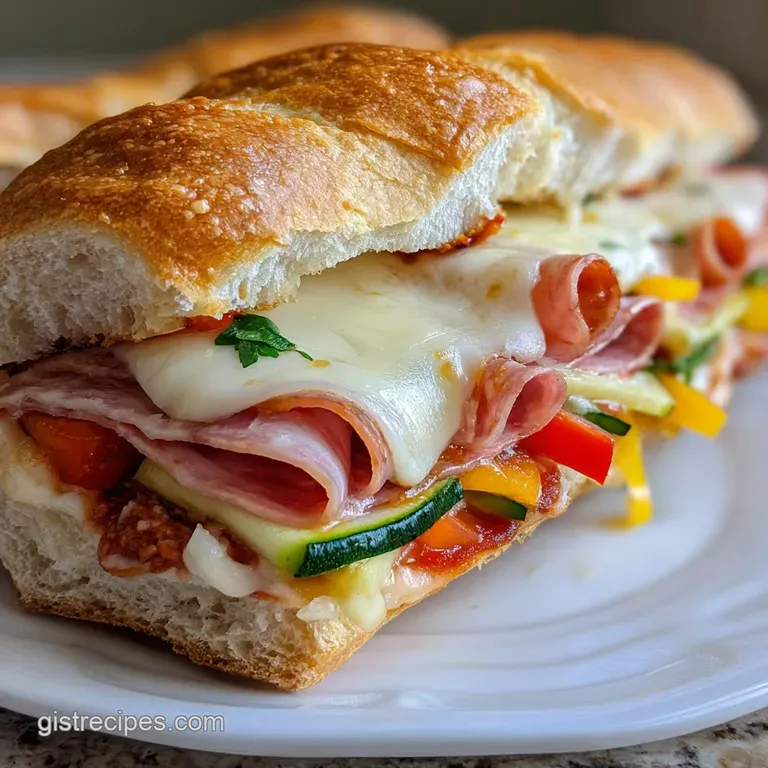
Phase 1: Structural Preparation
- Preheat your oven. Set it to 190°C (375°F) and position the rack in the center. Note: This ensures even air circulation.
- Slice the bread. Cut the Italian loaf lengthwise, but don't go all the way through. Leave a "hinge" on one side.
- Prepare the garlic glaze. Melt the 60g of butter and stir in the minced garlic, dried oregano, and red pepper flakes.
- Seal the interior. Brush a thin layer of the garlic butter on the inside of the bread. This creates a lipid barrier so the meat juices don't turn the bread into a sponge.
Phase 2: The Oven Baked Transformation
- Layer the cheese. Place 5 slices of provolone on the bottom and 5 on the top. Until the bread surface is mostly covered.
- Stack the meats. Fold the 225g of salami, pepperoni, and ham/capicola into "ribbons" rather than laying them flat. Note: This creates air pockets for better heat penetration.
- Wrap and bake. Close the sandwich and wrap it tightly in foil. Bake for 10 minutes until the cheese is visibly drooping.
- The Crisp up. Carefully open the foil, exposing the top of the bread. Bake for another 5 minutes until the crust is golden and crackling.
Phase 3: The Finishing Polish
- Mix the salad. Toss the shredded lettuce, banana peppers, and Italian seasoning with the submarine dressing in a bowl.
- Final assembly. Open the hot sandwich, pile the cold salad inside, and slice into four generous portions. Listen for the crunch as the knife breaks the crust.
Solving Texture and Temperature Issues
Why Your Sub Bottom is Soggy
If the bottom of your sandwich is wet, it usually means the fat from the meat had nowhere to go but down into the bread. This often happens if you don't pre toast the inside or if you add wet toppings like tomatoes before baking. Keep the wet stuff for the very end.
Why the Meat is Cold in the Middle
This is a classic "cold core" problem. If your deli meat is stacked in thick, flat layers, the heat can't reach the center. By ruffling the meat or folding it loosely, you allow the hot air to move through the sandwich, ensuring every bite is at the same temperature.
| Problem | Root Cause | Solution |
|---|---|---|
| Bread is too hard | Baked uncovered for too long | Wrap in foil for the first 10 minutes of baking. |
| Cheese hasn't melted | Cheese was too thick or too cold | Use room temperature cheese slices for a faster melt. |
| Fillings sliding out | No "glue" on the top half | Place cheese on both the top and bottom bread halves. |
Common Mistakes Checklist
- ✓ Never use fresh mozzarella; the high water content will ruin the bread structure.
- ✓ Always mince garlic finely; big chunks won't mellow out in a 15 minute bake.
- ✓ Don't skip the "hinge" cut; it keeps the ingredients from escaping during the wrap.
- ✓ Let the sub sit for 2 minutes after baking before adding the lettuce to prevent instant wilting.
- ✓ Use a serrated knife with a gentle sawing motion to slice the finished sub.
Adjusting for Different Group Sizes
If you are cooking for a crowd, you can easily line up three or four loaves on a single large sheet pan. Just make sure there is at least 5 cm of space between each loaf so the air can circulate and crisp the sides.
For a double batch, you don't need to double the spices exactly; about 1.5 times the oregano and red pepper flakes usually does the trick for two loaves.
When scaling down for one or two people, you can use smaller hoagie rolls. Just reduce the baking time by about 3-4 minutes, as the smaller volume of meat and thinner bread will heat through much faster. For the butter glaze, you can just use 1 tablespoon per individual roll.
Debunking Baked Sandwich Misconceptions
One thing people often tell me is that baking a sub "kills" the freshness. That is only true if you bake the lettuce and vinegar. The secret is that "cold crunch" contrast. By adding the dressed lettuce and peppers after the oven stage, you get the comfort of a warm meal with the bright, zingy finish of a deli classic.
Another myth is that you need expensive, artisan sourdough for a good baked sub. Actually, a softer Italian loaf or a French bread works better because it absorbs the garlic butter and oils without becoming like a rock. You want a crust that shatters, not one that requires a workout to chew through.
Storage Guidelines and Zero Waste
Storage: These are best eaten fresh, but if you have leftovers, wrap them tightly in parchment paper and then foil. They will stay good in the fridge for up to 2 days. To reheat, avoid the microwave at all costs it will make the bread rubbery.
Instead, pop it back into a 175°C (350°F) oven for about 8 minutes until the crust wakes back up.
Zero Waste: If you have leftover ends of the Italian loaf, don't toss them! Cut them into cubes, toss with any leftover garlic butter, and bake them until hard. You've just made the best croutons for a side salad.
Any leftover meat scraps can be chopped up and thrown into an omelet or a pasta bake the next morning.
Perfect Pairings for Your Meal
While this sandwich is a powerhouse on its own, I love serving it with something that cuts through the richness of the meats. A zesty vinegar slaw or a simple plate of parmesan dusted potato wedges works beautifully. If you're hosting a larger Italian themed dinner, this sub pairs perfectly with a side of my Alfredo Tortellini Bake recipe for the ultimate comfort feast.
If you want to keep things a bit lighter, a simple arugula salad with lemon vinaigrette is a great way to cleanse the palate between those hearty, cheesy bites. No matter what you serve it with, make sure you have plenty of napkins on hand the best baked subs are always a little messy!
Very High in Sodium
2840 mg mg of sodium per serving (123% of daily value)
The American Heart Association recommends limiting sodium intake to about 2,300mg per day for most adults.
Tips to Reduce Sodium in Your Submarine Sandwich
-
Lower Sodium Meats-25%
Choose lower sodium deli meats like roasted turkey breast or lean roast beef instead of Genoa salami, pepperoni, and ham/capicola. Look for products labeled "low sodium" or "reduced sodium," which can significantly cut down on the sodium content. Aim for meats with less than 300mg sodium per serving.
-
Reduce/Swap Cheese-15%
Provolone cheese contributes a significant amount of sodium. Reduce the amount of cheese or substitute with a lower sodium cheese option like fresh mozzarella or Swiss cheese. You can also try using a smaller quantity of provolone to maintain flavor while reducing sodium.
-
DIY Dressing-20%
Pre-made submarine dressing can be high in sodium. Create your own dressing using olive oil, vinegar (balsamic or red wine), and herbs. This allows you to control the sodium content and add fresh flavor. Avoid adding salt and use pepper for seasoning.
-
Bread Choice Matters-10%
Some breads contain a surprising amount of sodium. Opt for a lower sodium Italian bread option or consider using a whole wheat roll or bun with lower sodium content. Check nutrition labels to compare sodium levels between different types of bread.
-
Rinse Banana Peppers-10%
Banana peppers are often pickled and packed in brine, which is high in sodium. Rinse the sliced banana peppers thoroughly with water before adding them to the sandwich to help reduce the sodium content.
-
Spice It Up!
Enhance the flavor of your sandwich with fresh herbs and spices like basil, parsley, or garlic powder instead of relying on salt. Experiment with different flavor combinations to create a delicious and satisfying sandwich without the added sodium.
Recipe FAQs
What is the best type of bread to use for a baked Italian sub?
Use a sturdy Italian loaf or French bread. The best bread has a robust crust that can handle the moisture from the cheese and meats without collapsing during baking.
How do I prevent the bottom of the sub from getting soggy?
Brush the interior cut sides with garlic butter before adding fillings. This creates a lipid barrier that prevents the meat juices from soaking directly into the crumb.
Should I add the lettuce and peppers before or after baking?
Add lettuce and peppers after baking. These cold, acidic toppings should be added last to maintain their crunch and contrast with the hot interior.
How long should I bake the sandwich wrapped in foil?
Bake wrapped in foil for 10 minutes at 190°C (375°F). This step steams the fillings slightly and ensures the provolone melts completely before you expose the crust to crisp.
Is it true that stacking meats flat results in cold spots in the middle?
Yes, stacking meats flat causes cold spots. Fold or ruffle the salami and pepperoni into ribbons instead; this creates air pockets allowing heat to penetrate evenly throughout the sandwich.
Can I use mild provolone instead of sharp provolone cheese?
No, sharp provolone is highly recommended. Mild provolone often loses its distinct flavor when heated, becoming muted against the strong cured meats, unlike the sharper variety.
How should I reheat leftover baked Italian subs to restore the crust?
Reheat in an oven at 175°C (350°F) for about 8 minutes. Avoid the microwave entirely, as it will compromise the desirable shatteringly crisp texture you worked to achieve.
Baked Italian Sub Sandwich
Ingredients:
Instructions:
Nutrition Facts:
| Calories | 1145 kcal |
|---|---|
| Protein | 54 g |
| Fat | 82 g |
| Carbs | 52 g |
| Fiber | 3.5 g |
| Sugar | 4.2 g |
| Sodium | 2840 mg |
