Cedar Plank Salmon: Smoky & Easy
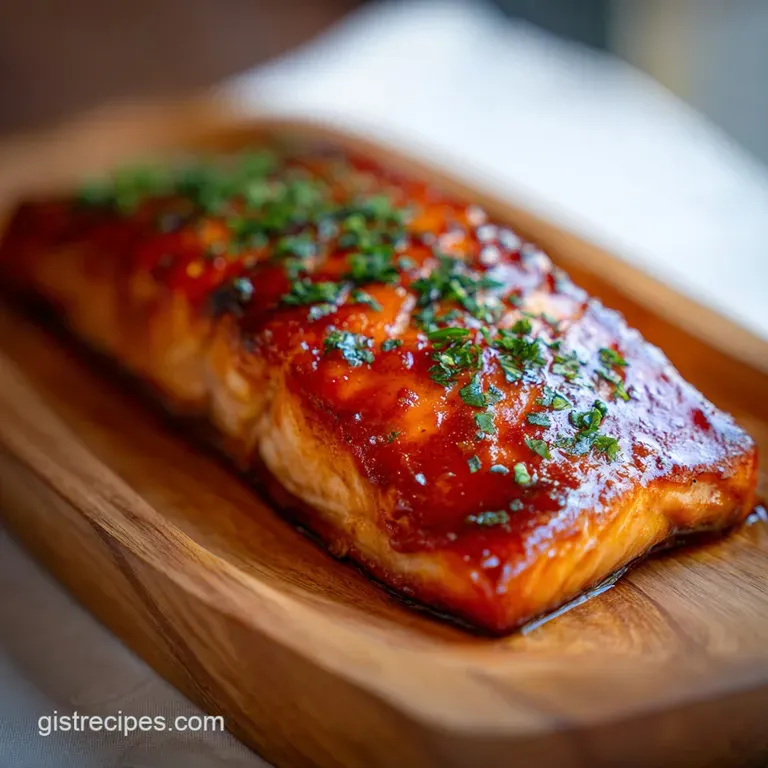
- Time: Active 15 minutes, Passive 15 minutes, Total 30 minutes
- Flavor/Texture Hook: Smoky, buttery salmon with a tacky, ginger spiced glaze
- Perfect for: Impressing guests at a summer BBQ or a high end weeknight dinner
- Experience the Smoky Magic of Cedar Plank Salmon
- The Science Behind This Aromatic Grilling Method
- Analyzing the Flavor Profile and Ingredient Roles
- Essential Tools and Smart Ingredient Substitutions
- Step-by-Step Guide to the Ultimate Smoky Fillet
- Solving Common Issues for Flawless Results
- Customizing Your Glaze and Adjusting Portion Sizes
- Storing Leftovers and Debunking Traditional Grilling Myths
- Selecting the Best Side Dishes for Seafood
- Recipe FAQs
- 📝 Recipe Card
Experience the Smoky Magic of Cedar Plank Salmon
Imagine standing by the grill on a humid July evening. You place a heavy, water logged slab of cedar onto the grates, and within seconds, a deep, earthy perfume begins to rise. It isn't just smoke, it's the scent of a Pacific Northwest forest meeting the heat.
When that 1.5 lbs fresh salmon fillet hits the wood, you hear a gentle hiss as the moisture from the plank starts to steam the underside of the fish while the top gets kissed by the fire.
I remember the first time I tried this at a friend's cabin. I was skeptical, thinking the wood might catch fire or the salmon would just taste like a pencil. I was so wrong. The result was a velvety texture I had never achieved with just a pan or a baking sheet.
The cedar acts as a buffer, protecting the delicate fats in the fish from the aggressive heat of the burners, ensuring you never end up with that dry, chalky disaster we've all experienced.
We are going to nail this together. We'll use a glaze made of pure maple syrup and grainy Dijon mustard that caramelizes into a beautiful, sticky coating. Forget those bland, overcooked fillets from the past.
This method is about finesse, aroma, and a bit of kitchen theater that makes everyone think you've spent years training as a pitmaster. Trust me, once you see how the edges of the salmon start to flake away with just a fork, you'll never go back to basic roasting.
The Science Behind This Aromatic Grilling Method
Hydro Thermal Shielding: The water trapped in the cedar plank evaporates under heat, creating a localized steam chamber that prevents the salmon's proteins from tightening too quickly.
Lignin Infusion: As the wood heats up, compounds like lignin and vanillin are released into the rising steam, flavoring the salmon with subtle notes of spice and sweetness.
Thermal Regulation: The thickness of the wood acts as an insulator, slowing down the heat transfer to the skin and ensuring the fat renders slowly rather than burning.
| Thickness of Fillet | Internal Temperature | Rest Time | Visual Cue |
|---|---|---|---|
| 0.75 inch | 135°F | 3 minutes | Center is opaque and flakes easily |
| 1 inch | 140°F | 5 minutes | Flesh separates at the natural fat lines |
| 1.5 inches | 145°F | 5 minutes | Glaze is tacky and edges are firm |
Selecting the right cut of fish is just as important as the wood itself. While wild caught varieties like Sockeye offer a leaner, more intense flavor, farmed Atlantic salmon provides a higher fat content that stands up beautifully to the dry heat of a grill.
This specific Cedar Plank Salmon recipe thrives on that balance of fat and smoke.
Analyzing the Flavor Profile and Ingredient Roles
The chemistry of a good glaze is about more than just taste; it's about how those sugars interact with the heat. We aren't just sweetening the fish, we're creating a barrier that traps moisture and adds a complex, savory depth that lingers on the tongue long after the first bite.
| Ingredient | Science Role | Pro Secret |
|---|---|---|
| Pure Maple Syrup | Caramelization agent | Use Grade A Dark for a more intense, woodsy sugar profile. |
| Grainy Dijon Mustard | Emulsifier | The seeds provide "pop" and acidity to cut through the fatty salmon. |
| Fresh Ginger | Protease enzymes | Acts as a mild tenderizer while providing a sharp, thermal bite. |
| Soy Sauce | Umami booster | Provides liquid salt that penetrates the flesh deeper than dry crystals. |
When these elements combine, they form a lacquer. As the maple syrup reduces on the hot fish, it creates a "pellicle" or a thin, tacky skin. This is the same principle used in professional smoking to help the wood flavor stick to the meat.
Without this sticky surface, the cedar aroma would simply waft past the fish instead of becoming part of it.
Essential Tools and Smart Ingredient Substitutions
You don't need a professional kitchen, but a few specific items are non negotiable. First, your cedar plank must be "untreated." Never grab a piece of cedar from a lumber yard or a construction site, as those are often treated with chemicals that are toxic when heated.
Stick to food grade planks found in the grilling aisle.
- 1 untreated cedar plank (12x6 inches): The stage for our performance.
- Substitute: Alder or Hickory planks. Why this? Different woods offer varied smoke intensities for diverse flavor profiles.
- 1.5 lbs fresh salmon fillet, skin on: The star of the show.
- Substitute: Steelhead trout. Why this? Very similar fat content and texture at a usually lower price point.
- 0.25 cup pure maple syrup: The primary sweetener.
- Substitute: Honey or Agave. Why this? Provides the necessary sugar for caramelization with a slightly different floral note.
- 2 tbsp grainy Dijon mustard: The tangy backbone.
- Substitute: Smooth Dijon or yellow mustard. Why this? Keeps the acidity but loses the textural "pop" of the seeds.
- 1 tbsp soy sauce: The salt source.
- Substitute: Tamari or liquid aminos. Why this? Makes the dish gluten-free while maintaining that deep umami richness.
- 1 tsp freshly grated ginger: The aromatic punch.
- Substitute: 0.5 tsp ground ginger. Why this? Use in a pinch, but you'll lose the bright, zesty top notes.
- 2 cloves garlic, minced: The savory aromatic.
- Substitute: 1 tsp garlic powder. Why this? Easier to distribute evenly but lacks the "fried garlic" flavor.
Chef Tip: Freeze your ginger root and grate it while frozen. It breaks down into a fine paste without those annoying woody strings getting stuck in your grater.
step-by-step Guide to the Ultimate Smoky Fillet
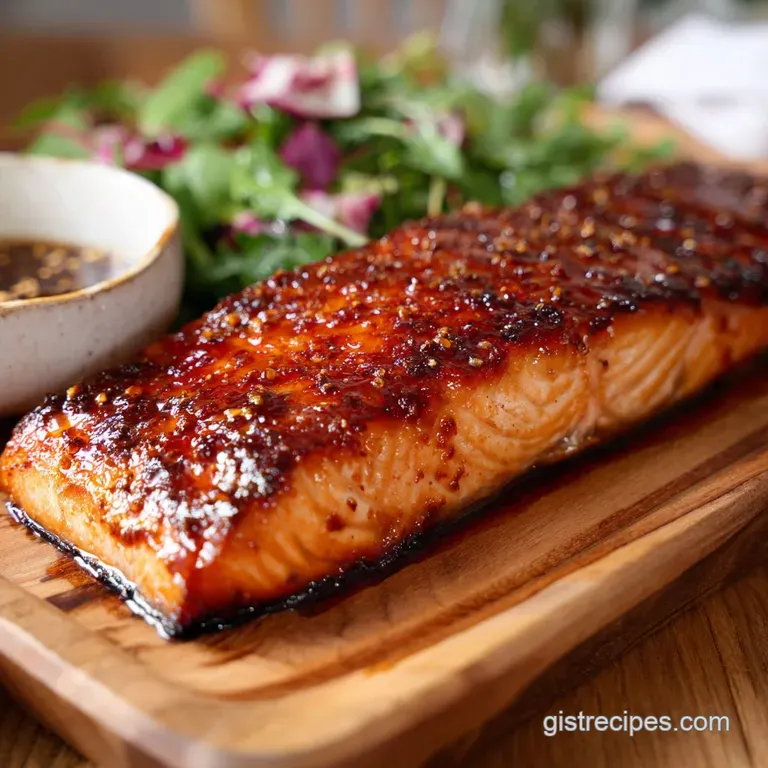
To Prep the Wood Fast
Submerge the 1 untreated cedar plank in 2 cups warm water mixed with 1 tbsp sea salt. Let it soak for at least 1 hour. Note: The salt helps the water penetrate the wood fibers deeply, preventing the board from igniting on the grill.
To Infuse Flavor
Whisk together the 0.25 cup pure maple syrup, 2 tbsp grainy Dijon mustard, 1 tbsp soy sauce, 1 tsp freshly grated ginger, and 2 cloves garlic. Set aside half of this mixture for later. Note: Using half for the initial coat and half for finishing ensures a thick, layered glaze.
To Prepare the Fish
Pat the 1.5 lbs fresh salmon fillet completely dry with paper towels. Rub with 1 tbsp olive oil and sprinkle with 0.5 tsp smoked paprika. Note: Removing surface moisture is the only way to get the oil and spices to actually stick to the skin.
To Set the Stage
Preheat your grill to medium high heat (about 400°F or 200°C). Place the wet plank on the grates and close the lid for 3 minutes until the wood starts to crackle and release a light smoke.
To Start the Cook
Place the salmon fillet, skin side down, onto the hot plank. Brush generously with the first half of your maple ginger mixture. Note: The heat from the board immediately starts rendering the fat in the skin.
To Maintain the Temperature
Close the grill lid and cook for 12 to 15 minutes. Do not open the lid frequently, as you'll lose the aromatic steam trapped inside.
To Apply the Finish
Open the lid and brush the remaining glaze onto the salmon during the last 3 minutes of cooking. Wait until the glaze looks bubbly and dark brown.
To Achieve the Perfect Char
If you want a bit of extra color, carefully move the plank to a cooler part of the grill and use a kitchen torch on the edges of the fish. Note: This is purely for aesthetics and a slight "burnt sugar" flavor.
To Ensure a Velvety Finish
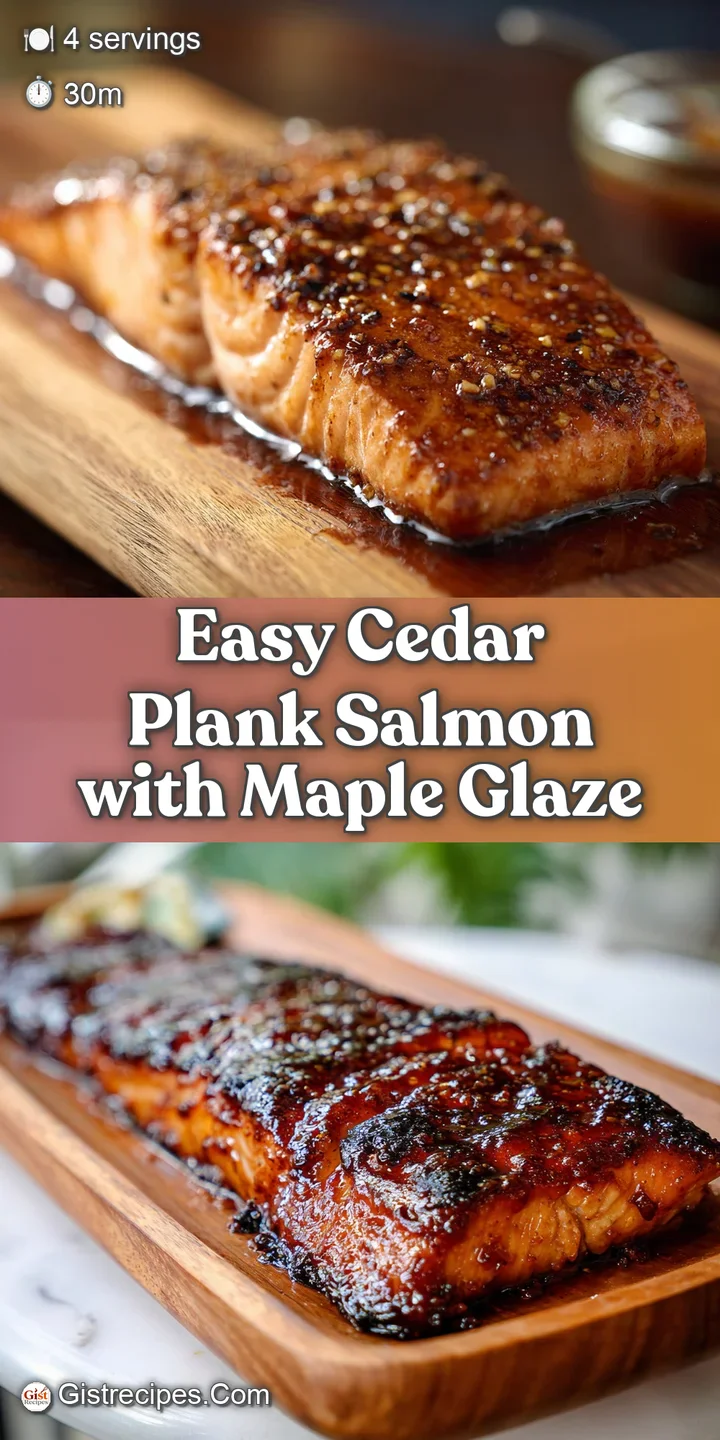
Remove the entire plank from the grill using tongs and a spatula. Let the salmon rest on the wood for 5 minutes. The internal temperature should reach 140°F as it rests.
To Serve with Ease
Slide a large spatula between the skin and the flesh to serve. The skin usually sticks to the wood, making it easy to plate clean, skinless portions.
Solving Common Issues for Flawless Results
Why Your Salmon Is Dry
Even with the plank, it's easy to overcook fish. If your fillet feels like a brick, you likely left it on the heat too long or the grill was running too hot. Salmon continues to cook after you pull it off the heat a phenomenon called carryover cooking.
If you take it off at 145°F, it'll end up at 150°F, which is the "dry zone" for most people.
| Problem | Root Cause | Solution |
|---|---|---|
| Plank catches fire | Insufficient soaking time | Soak for a full 2 hours; keep a spray bottle of water nearby. |
| White gunk on fish | Cooking too fast/high heat | This is albumin (protein). Lower the grill temp to 375°F next time. |
| Glaze is too thin | Not enough reduction | Simmer the glaze in a small pan for 2 minutes before brushing it on. |
Why Your Salmon Lacks Smoke
If you don't smell that characteristic cedar aroma, your plank might be too wet or the grill temp might be too low. The board needs to reach a certain temperature to start "off gassing" those delicious wood flavors. If the wood isn't crackling, it isn't smoking.
Try placing the plank over direct heat for a few minutes before adding the fish to jumpstart the process.
Common Mistakes Checklist
- ✓ Never skip the soak - a dry board is just firewood.
- ✓ Don't flip the fish - the whole point of the plank is to protect one side while steaming the other.
- ✓ Use a meat thermometer - color is a lying indicator of doneness.
- ✓ Avoid "treated" lumber - only use food grade cedar planks.
- ✓ Keep the lid closed - every time you peek, the smoke escapes.
Customizing Your Glaze and Adjusting Portion Sizes
If you're cooking for a crowd, you'll need to scale up carefully. Doubling the recipe isn't as simple as doubling every single item. For example, if you use 3 lbs of salmon, you might need two planks to avoid overcrowding.
If the fillets are touching, the sides won't get that beautiful glaze coverage or the kiss of smoke.
When scaling down for a solo dinner, using a half fillet (about 0.75 lbs) is easy. Just remember that smaller pieces cook much faster. A thin tail piece might be done in 8 minutes, while a thick center cut piece takes the full 15. If you love a bit of heat, similar to my Bang Bang Salmon recipe, feel free to add a teaspoon of Sriracha or chili flakes to the maple glaze. It adds a spicy counterpoint to the sweetness.
| Method | Time | Texture | Best For |
|---|---|---|---|
| Gas Grill | 12-15 min | Evenly cooked, moderate smoke | Ease of use and temp control |
| Charcoal Grill | 10-12 min | Deeply smoky, slightly charred | Authentic BBQ enthusiasts |
| Indoor Oven | 15-18 min | Very moist, light wood scent | Rainy days or apartment living |
If you decide to take the party indoors, the "Cedar Plank Salmon oven" version is totally doable. Just place the soaked plank on a parchment lined baking sheet to catch any drips. Set the oven to 400°F (200°C) and follow the same timing.
You won't get the same "flare up" smoke as a grill, but the cedar will still perfume the kitchen beautifully.
Storing Leftovers and Debunking Traditional Grilling Myths
One common myth is that you can't reuse cedar planks. Honestly, if the board isn't completely charred through, you can scrub it with hot water (no soap!), let it dry, and use it one more time. However, the second use will have much less "wood" flavor. Another myth is that the skin should be crispy on a plank.
It won't be. The plank is wet; the skin will be soft. This is why we usually leave the skin behind on the board when serving.
Storage and Zero Waste
Store any leftover salmon in an airtight container in the fridge for up to 3 days. It makes an incredible addition to a cold salad the next day. If you have extra glaze, don't toss it! It's fantastic drizzled over roasted carrots or even as a marinade for chicken thighs.
If you have leftover cooked salmon that's starting to dry out, flake it into a bowl with some mayo and lemon juice for the best salmon salad sandwich of your life.
Freezing cooked salmon isn't ideal as it changes the texture, but if you must, wrap it tightly in plastic wrap and then foil. It will stay good for about 2 months. Reheat it gently in a 300°F (150°C) oven with a splash of water to keep it from turning into leather.
Selecting the Best Side Dishes for Seafood
The richness of this Cedar Plank Salmon needs something bright or starchy to balance it out. I almost always serve this with a pile of grilled asparagus or a crisp cucumber salad with plenty of vinegar. The acidity cuts right through the fatty oils of the fish and the sweetness of the maple syrup.
For a more filling meal, you can't go wrong with rice. The subtle nuttiness of my Parmesan Garlic Rice recipe is a match made in heaven for the ginger and garlic in the salmon glaze. If you're looking for a "If you want X, do Y" approach to your sides: If you want a low carb meal, serve over a bed of sautéed cauliflower rice. If you want a classic BBQ vibe, go with a vinegary coleslaw and corn on the cob. If you want a fancy date night feel, pair with garlic mashed potatoes and a glass of chilled Pinot Noir.
The beauty of this dish is its versatility. Whether it's the middle of summer on a deck or a cold Tuesday night using the oven, the ritual of the wood and the fire always makes the meal feel special. Now, go soak that board and get grilling!
Recipe FAQs
How long do you cook salmon on a cedar plank?
Cook for 12 to 15 minutes over medium high heat (about 400°F). The total time depends heavily on the thickness of your fillet, aiming for an internal temperature of 140°F when removed.
What does a cedar plank do to salmon?
It steams and infuses the fillet with aromatic smoke. The water evaporating from the wet wood creates a thermal shield that keeps the salmon incredibly moist while lignin compounds from the cedar flavor the fish.
What is the best wood for cedar plank salmon?
Use untreated, food grade Western Red Cedar. While alder or hickory can be substituted, cedar is standard because its aromatic profile perfectly complements the natural oils in the salmon.
Why do they sell salmon on a cedar plank?
It's a traditional Pacific Northwest method that guarantees superior texture and flavor infusion. The plank protects the delicate fish from direct, harsh heat while simultaneously acting as a natural smoke delivery system.
Is it true I must soak the cedar plank for at least one hour?
Yes, proper soaking is mandatory to prevent immediate ignition. Soaking the board for a minimum of one hour ensures the wood smolders and steams rather than burns up before the fish is cooked through.
Should I flip the salmon while cooking on the plank?
No, never flip the salmon during the main cook time. The entire purpose of the plank is to steam the underside while protecting it from aggressive direct heat; flipping ruins this effect.
How do I tell when the salmon is perfectly cooked on the plank?
Check the internal temperature, aiming for 140°F when you pull it off the heat. Visually, the flesh should be opaque and flake easily along the natural fat lines when gently probed with a fork.
Cedar Plank Salmon Recipe
Ingredients:
Instructions:
Nutrition Facts:
| Calories | 448 kcal |
|---|---|
| Protein | 34.5 g |
| Fat | 26.2 g |
| Carbs | 14.8 g |
| Fiber | 0.4 g |
| Sugar | 13.2 g |
| Sodium | 615 mg |
