Classic Cake Donut Recipe: Craggy & Tender
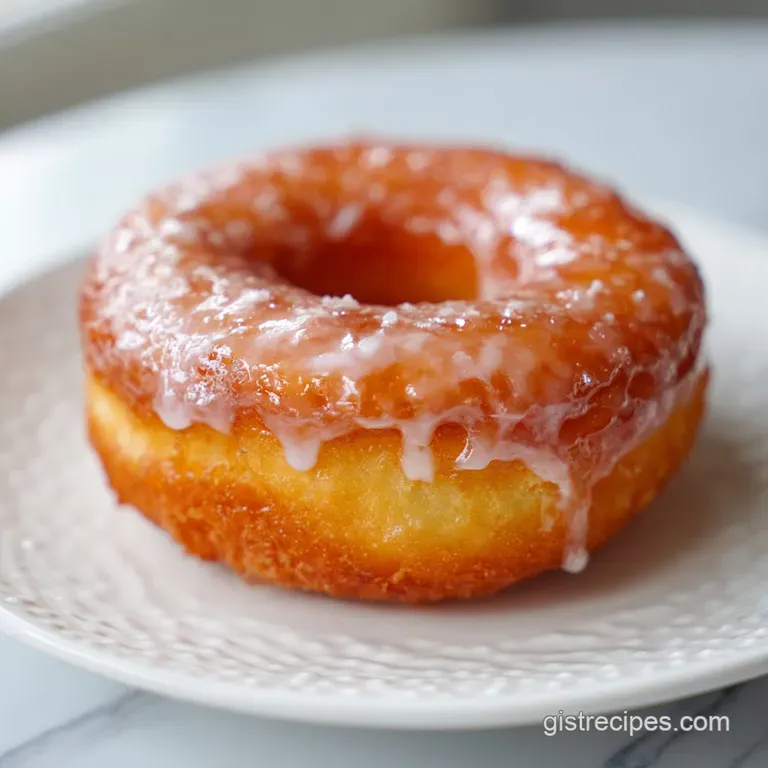
- Time: Active 20 minutes, Passive 15 minutes, Total 35 minutes
- Flavor/Texture Hook: Warm nutmeg spice with a velvety, melt in-your mouth interior
- Perfect for: Slow Sunday mornings, holiday brunches, or satisfying a nostalgic bakery craving
- Crafting the Most Authentic Homemade Cake Donut Recipe
- Understanding the Essential Metrics and Cooking Times
- Exploring the Primary Components and Their Culinary Roles
- Gathering the Necessary Tools for Your Home Bakery
- Transforming Simple Ingredients into Golden Glazed Treats
- Correcting Common Flaws for a Better Baking Result
- Adjusting the Base Recipe for Unique Flavor Profiles
- Maximizing Shelf Life and Repurposing Your Leftover Scraps
- Selecting the Ideal Beverages and Sides for Serving
- FAQ (Auto generated)
- Recipe FAQs
- 📝 Recipe Card
Crafting the Most Authentic Homemade Cake Donut Recipe
The first time I tried to make a cake donut recipe from scratch, I ended up with something that looked more like a hockey puck than a breakfast treat. But then, on a rainy Tuesday morning, I remembered the smell of my grandmother's kitchen that specific, intoxicating scent of toasted nutmeg and sizzling oil.
I realized I was overworking the dough and skipping the sour cream, two mistakes that lead to a tough, dry donut.
We've all been there, staring at a pot of oil and hoping for the best. This version is different because it relies on the gentle acidity of sour cream and the richness of egg yolks to create a crumb that is soft yet substantial.
When you drop that first ring of dough into the oil, the immediate sizzle and the way the dough puffs up like a golden cloud is pure magic.
You'll find that the secret isn't just in the ingredients, but in the temperature. Keeping everything chilled until the moment it hits the heat ensures that the outside gets that iconic "shatter" while the inside remains moist.
It’s a simple joy, really standing over the stove with a slotted spoon, watching the glaze pool into the little nooks and crannies of a freshly fried ring.
Understanding the Essential Metrics and Cooking Times
Success in the kitchen usually comes down to timing and temperature. When we're talking about a fried cake donuts method, the oil temperature is the absolute boss of the situation. If it's too cool, the dough drinks up the oil like a sponge.
If it's too hot, you get a burnt exterior and a raw, doughy center. I always keep my thermometer handy because even a 10 degree swing can change the texture from light to leaden.
The Sour Cream Secret The acidity in the sour cream reacts with the baking powder to create instant lift, while the high fat content prevents gluten from forming too quickly, ensuring a velvety texture.
- Cold Hydration: Chilled sour cream keeps the butter bits solid, which creates tiny steam pockets during frying.
- Yolk Emulsification: Using only yolks adds fat and lecithin, which creates a richer, more "short" crumb than whole eggs.
- Nutmeg Infusion: This specific spice provides the classic "old-fashioned" aroma that defines this style of donut.
- Carbon Dioxide Release: The double acting baking powder gives a second boost of air when it hits the hot oil.
| Method | Cook Time | Final Texture | Best For |
|---|---|---|---|
| Deep Frying | 2-3 mins | Crispy, craggy, golden | Traditional bakery feel |
| Oven Baking | 10-12 mins | Soft, cake like, even | Lower fat convenience |
| Air Fryer | 6-8 mins | Chewy, slightly dry | Quick weeknight treats |
Whether you choose the stovetop or the oven, the goal is the same: a steady rise and a tender heart. If you're looking for something equally comforting but a bit different, the technique of balancing spices is very similar to what I use in my Cinnamon Roll Muffins recipe. Both rely on that perfect hit of cinnamon or nutmeg to make the kitchen smell like home.
Exploring the Primary Components and Their Culinary Roles
Every ingredient in this cake donut recipe serves a specific purpose. We aren't just tossing things in a bowl; we're building a structure. The 450g of all purpose flour provides the framework, but it’s the 180g of full fat sour cream that does the heavy lifting for the flavor.
I’ve tried using low-fat versions, and frankly, don't even bother the donuts lose that signature richness that makes them worth the effort.
| Ingredient | Science Role | Pro Secret |
|---|---|---|
| Egg Yolks (3) | Emulsifier | Use room temp yolks for a smoother, more cohesive dough. |
| Sour Cream (180g) | Acidic Tenderizer | Don't over whisk; keep it thick to maintain dough structure. |
| Baking Powder (2 tsp) | Leavening Agent | Ensure it's fresh for that iconic "volcano" split on top. |
- 450g all purpose flour: The base. Why this? Provides enough protein for structure without being too chewy. (Substitute: 1:1 gluten-free flour blend)
- 150g granulated sugar: For sweetness and browning. Why this? Creates a crisp exterior through caramelization. (Substitute: Coconut sugar)
- 2 tsp baking powder: The lift. Why this? Creates the air bubbles needed for a light interior. (Substitute: 0.5 tsp baking soda + 1 tsp cream of tartar)
- 1 tsp ground nutmeg: The signature flavor. Why this? It's the essential "donut shop" aromatic. (Substitute: Mace or cinnamon)
- 0.5 tsp salt: Enhances all other flavors. Why this? Balances the sugar and fat. (Substitute: Sea salt)
- 30g unsalted butter, melted: For flavor and moisture. Why this? Adds a rich, buttery finish to the crumb. (Substitute: Vegan butter or ghee)
- 3 large egg yolks: For richness. Why this? Fats in yolks keep the crumb tender. (Substitute: 1/4 cup applesauce, but will be denser)
- 180g full fat sour cream: The moisture. Why this? Acidity tenderizes the flour’s gluten. (Substitute: Full fat Greek yogurt)
- 360g powdered sugar: For the glaze base. Why this? Dissolves instantly for a silky coating. (Substitute: Blended erythritol for low carb)
- 60ml whole milk: Thinning the glaze. Why this? Provides enough fat to keep the glaze from cracking. (Substitute: Heavy cream or almond milk)
- 1 tsp vanilla bean paste: The aroma. Why this? Tiny beans look beautiful and taste intense. (Substitute: Vanilla extract)
Gathering the Necessary Tools for Your Home Bakery
You don't need a professional deep fryer to make this homemade cake donuts recipe work. A heavy bottomed pot, like a cast iron Dutch oven, is your best friend because it holds heat steadily.
I once tried using a thin stainless steel pot and the temperature jumped around so much I ended up with half burnt, half raw dough. Trust me, the heavy pot is a game changer.
You'll also need a 3 inch donut cutter. If you don't have one, don't panic. A wide mouth mason jar lid and a soda bottle cap for the center hole work just as well. I've used that "MacGyver" method plenty of times when I couldn't find my actual cutter in the back of the drawer.
Just make sure to dip your improvised tools in flour between every cut so the dough doesn't stick.
For the glaze, a simple wire cooling rack set over a parchment lined baking sheet is essential. It lets the excess glaze drip away, leaving you with a smooth, professional looking finish rather than a soggy bottom. It's the same setup I use when making a Peanut Butter Cup recipe dump cake to keep things clean.
Transforming Simple Ingredients into Golden Glazed Treats
The Spiced Dough
- Whisk 450g all purpose flour, 150g sugar, 2 tsp baking powder, 1 tsp nutmeg, and 0.5 tsp salt in a large bowl. Note: Whisking thoroughly prevents clumps of baking powder.
- Mix 30g melted butter, 3 egg yolks, and 180g sour cream in a separate bowl until just combined.
- Fold the wet ingredients into the dry ingredients using a spatula. Stop when you see no more dry flour.Note: Overmixing will result in a tough, bread like donut.
- Wrap the dough in plastic and chill in the fridge for 15 minutes. Note: This makes the sticky dough easier to handle and cut.
- Roll the dough on a floured surface to about 1/2 inch thickness.
- Cut circles using your 3 inch cutter, making sure to cut as many as possible before re rolling the scraps.
The Golden Fry
- Heat 1 quart vegetable oil in a Dutch oven to exactly 325°F (160°C).
- Fry 2-3 donuts at a time for about 90 seconds per side until deep golden brown. Note: You should smell the nutmeg and toasted flour as they cook.
- Drain on paper towels for 30 seconds before moving to a wire rack.
The Finishing Glaze
- Whisk 360g powdered sugar, 60ml milk, 1 tsp vanilla bean paste, and a pinch of salt until silky and smooth.
- Dip each warm donut halfway into the glaze and return to the rack to set.
Chef's Tip: For a thicker, more opaque glaze like the shops, wait 2 minutes for the first layer to set, then dip a second time. This "double dip" creates a beautiful crackle when you bite into it.
Correcting Common Flaws for a Better Baking Result
Why Your Donuts Are Too Oily
If your old fashioned cake donuts come out tasting like a vat of grease, it's usually because your oil temperature dropped too low. When the dough hits the oil, the temperature naturally dips.
If you crowd the pot with too many donuts at once, the oil can't recover fast enough, and the dough absorbs the fat instead of searing on the outside.
Why Your Donuts Are Tough
This is the most common heartbreak. If you overwork the dough, you develop the gluten. Cake donuts should be tender, almost like a biscuit or a heavy cake. If you're struggling with texture, think about the gentle folding method we use for things like a Sweet Potato Cheesecake Recipe. You want to combine the ingredients, not beat them into submission.
| Problem | Root Cause | Solution |
|---|---|---|
| Burnt outside, raw inside | Oil temperature is too high (above 350°F) | Lower heat and use a thermometer to maintain 325°F. |
| Donuts are heavy/dense | Expired baking powder or overmixed dough | Check the date on your leavener and mix only until combined. |
| Glaze won't stick | Donuts were too cold when dipped | Dip while donuts are still warm to the touch (not hot). |
Common Mistakes Checklist
- ✓ Use a thermometer for the oil; don't guess the temperature.
- ✓ Pat the dough gently; don't roll it out with heavy pressure.
- ✓ Don't skip the chilling step; it’s vital for the dough's hydration.
- ✓ Fry in small batches to keep the oil temperature stable.
- ✓ Let the donuts rest on a rack, not just a flat plate, to prevent sogginess.
Adjusting the Base Recipe for Unique Flavor Profiles
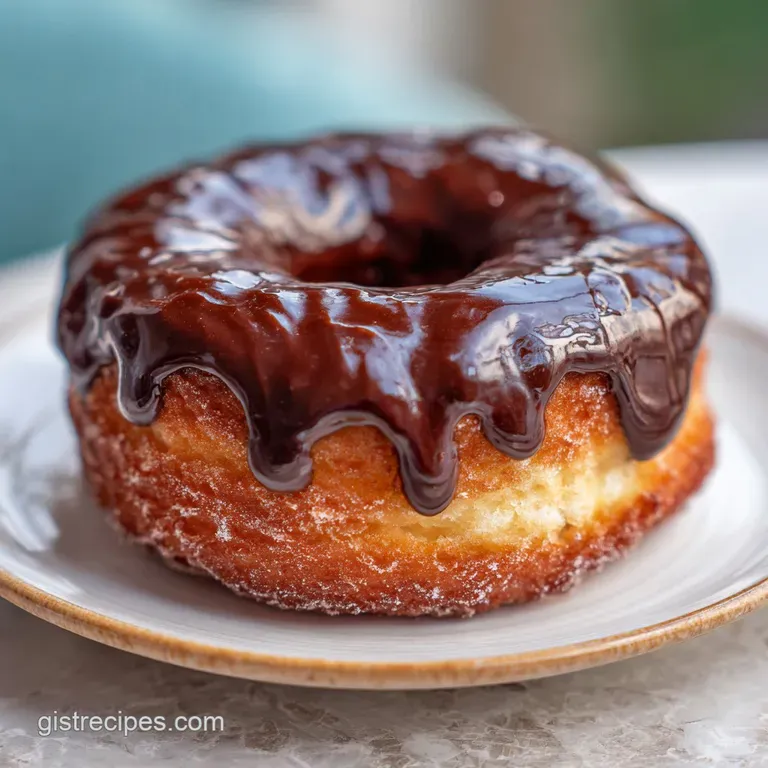
If you want to try a chocolate cake donut recipe, simply swap 50g of the all purpose flour for high-quality Dutch processed cocoa powder. You might need an extra tablespoon of milk in the dough to compensate for the cocoa's absorption, but the result is a deep, fudgy ring that pairs perfectly with a white chocolate glaze.
For those looking for a lighter option, you can adapt this into an easy cake donut recipe for the air fryer. Shape the donuts as usual, but instead of frying, spray them generously with oil and cook at 350°F (180°C) for 6-8 minutes.
They won't have that exact "shatter" of a deep fried version, but they are remarkably good for a quick weekday treat.
Decision Shortcuts If you want a classic bakery look, do a double dip in the glaze. If you want extra crunch, roll the warm, unglazed donuts in cinnamon sugar. If you want a "filled" feel, skip the center hole and use a piping bag to inject jam or cream after frying.
Maximizing Shelf Life and Repurposing Your Leftover Scraps
Homemade donuts are best within the first 4 hours, but we all know life happens. To store them, keep them in a single layer in an airtight container at room temperature. Don't put them in the fridge!
The cold air actually accelerates the staling process of the starch, making them dry and crumbly much faster than if they sat on the counter.
If you have leftovers that have gone a bit stale, don't toss them. They make the most incredible "Donut Bread Pudding" or can be sliced and toasted with a bit of butter. Even the "holes" can be saved toss them in a bag with powdered sugar for a quick snack later in the day.
- Fridge
- Up to 2 days (though texture will soften).
- Freezer
- Up to 2 months. Freeze unglazed donuts on a tray, then transfer to a bag. Thaw at room temperature and glaze fresh.
- Zero Waste
- Save the oil! Filter it through a coffee filter once cooled and reuse it for another batch of frying within a week.
- Scraps
- Fry the "donut holes" separately for 1 minute for a bite sized treat.
Selecting the Ideal Beverages and Sides for Serving
A cake donut recipe is basically a blank canvas for your morning coffee. Since these have that warm nutmeg undertone, I love serving them with a dark roast coffee or a spicy chai tea. The bitterness of the coffee cuts through the sweetness of the vanilla bean glaze perfectly.
If you're hosting a brunch, these donuts look beautiful piled high on a wooden board next to a bowl of fresh berries. The acidity of raspberries or blackberries helps balance the richness of the fried dough. For a truly decadent spread, you could serve them alongside a lighter NoBake German Chocolate Cheesecake recipe to give your guests a variety of textures and chocolate options.
Myths About Frying
One big myth is that "frying at home is always messy and smells for days." If you use a high smoke point oil like vegetable or canola and maintain the correct temperature, you won't get that heavy, burnt smell. The odor usually comes from oil that has been overheated and broken down.
Another myth is that you need yeast for a good donut. Cake donuts rely on chemical leaveners, and they provide a much tighter, more satisfying crumb that yeast donuts just can't match.
FAQ (Auto generated)
How do I get the "old fashioned" cracked look? The "craggy" top comes from the dough being slightly chilled when it hits the hot oil. The outside sets quickly while the inside continues to expand, causing the surface to burst and create those beautiful ridges.
Can I make the dough the night before? Yes! You can mix the dough, wrap it tightly, and keep it in the fridge overnight. In fact, the flavor often develops even more if it rests. Just roll and cut it right before you're ready to fry.
Why did my glaze disappear into the donut? If the donut is too hot, the glaze will melt and soak into the crumb. Wait until the donut is just warm to the touch about 3 to 5 minutes after frying before dipping.
Recipe FAQs
Should I use room temperature ingredients for the cake donut batter?
No, keep the fats and sour cream chilled. This recipe relies on cold, high fat ingredients hitting hot oil to achieve the signature craggy, shattering exterior texture.
How do I stop my donuts from soaking up too much oil?
Maintain the oil temperature precisely at 325°F (160°C). If the temperature drops too low, the dough will absorb fat instead of frying quickly, leading to an oily, heavy result.
How to get the signature cracked surface on old-fashioned donuts?
Drop the chilled dough quickly into hot oil. The rapid difference in temperature causes the outside to set instantly while the interior steams and expands, forcing the top surface to crack open.
How to replace sour cream in this cake donut recipe?
Substitute with full fat Greek yogurt in a 1:1 ratio. The acidity is crucial for tenderizing the flour, so avoid thinner milk based substitutes to maintain the tender crumb structure.
How long should the dough rest before cutting and frying?
Chill the mixed dough for exactly 15 minutes. This short chill time firms up the dough enough for easy rolling and cutting without over hydrating the flour, which prevents toughness.
What is the best way to reheat day-old cake donuts?
Reheat them briefly in an air fryer set to 300°F. Do not use a microwave, as it causes rapid staling; the air fryer helps crisp the exterior again, much like our Crispy Baked Bang recipe uses dry heat for texture.
How to incorporate a chocolate flavor into the batter?
Swap 50g of the flour with Dutch processed cocoa powder. You may need to add one extra tablespoon of milk to maintain dough consistency since cocoa powder is highly absorbent.
Classic Cake Donut Recipe
Ingredients:
Instructions:
Nutrition Facts:
| Calories | 439 calories |
|---|---|
| Protein | 4.6g |
| Fat | 17.6g |
| Carbs | 66.5g |
| Fiber | 0.9g |
| Sugar | 39.8g |
| Sodium | 118mg |
