Classic House Salad: Crisp and Fresh
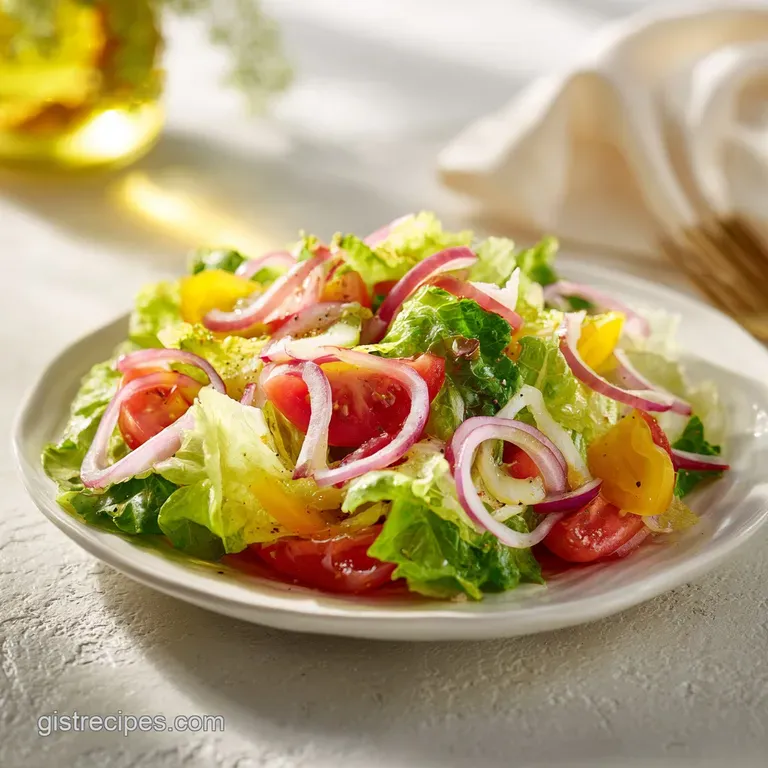
- Time: Active 10 minutes, Passive 0 minutes, Total 10 minutes
- Flavor/Texture Hook: Shatter crisp greens with a velvety, zesty herb finish
- Perfect for: Family Sunday dinners or a reliable weeknight side
- Perfecting the Classic House Salad at Home
- Techniques for Superior Leaf Texture
- Understanding the Recipe Core Specs
- Sourcing the Fresh Garden Components
- Essential Tools for Crisp Greens
- Step-by-Step Assembly Guide
- Troubleshooting the Common Soggy Salad
- Creative Flavor and Diet Variations
- Storage and Reducing Food Waste
- Pairing Your Salad with Meals
- Recipe FAQs
- 📝 Recipe Card
Perfecting the Classic House Salad at Home
We have all been there, sitting at a dinner table and staring down a bowl of sad, limp greens that look like they’ve given up on life. It is the ultimate kitchen heartbreak. You spend all that time roasting a beautiful chicken or simmering a hearty stew, only to serve a side dish that tastes like wet paper and disappointment.
I used to think a salad was just a pile of vegetables thrown together, but after one too many bowls of watery dressing and bruised lettuce, I realized that even the humblest side deserves a bit of respect and technique.
This recipe is my personal fix for every lackluster bowl of greens I’ve ever encountered. It focuses on the physics of the crunch and the chemistry of the coating. We are moving away from the "afterthought" salad and toward something that actually holds its own on the plate.
If you’ve ever wondered why restaurant salads just feel more alive, it’s not because they have secret ingredients; it’s because they treat their lettuce like a star.
When you take that first bite, I want you to hear the actual shatter of the Romaine. I want the dressing to feel velvety, not greasy, and I want the flavors of the oregano and garlic to bloom right as the fork hits your tongue.
This isn't just about eating your vegetables; it's about the comfort of a perfectly balanced, bright, and hearty bowl that feels like home. Let’s get into how we actually make that happen without any fuss.
Techniques for Superior Leaf Texture
Turgor Pressure Restoration: Soaking greens in ice water forces water back into the plant cells, making them physically rigid and loud when you bite them.
Surface Area Optimization: Drying the leaves completely removes the water barrier, allowing the fat in the dressing to bond directly to the leaf surface.
Emulsion Stability: Using Dijon mustard creates a chemical bridge between the oil and vinegar, preventing the dressing from separating and sliding off the vegetables.
Aromatic Diffusion: Crushing the dried oregano into the vinegar first allows the acidic environment to pull out the essential oils before the oil coats them.
| Servings | Romaine Lettuce | Cherry Tomatoes | Dressing Volume |
|---|---|---|---|
| 2 People | 150g | 75g | 60ml |
| 4 People | 300g | 150g | 120ml |
| 8 People | 600g | 300g | 240ml |
| 12 People | 900g | 450g | 360ml |
When you are planning a big family get together, nothing is worse than running out of the "healthy" side that everyone actually wants to eat. Using this calculator ensures every leaf is coated perfectly without leaving a swamp of vinegar at the bottom of your big wooden bowl.
Understanding the Recipe Core Specs
The magic of a great house salad isn't just in the freshness; it is in how the individual components interact to create a balanced mouthfeel. We often overlook the role of fats and acids in a simple vinaigrette, but they are the literal glue holding the experience together.
| Component | Science Role | Pro Secret |
|---|---|---|
| Extra Virgin Olive Oil | Lipid Barrier | Use a mild, buttery oil so the garlic and oregano can shine through. |
| Red Wine Vinegar | Protein Denaturant | The acidity cuts through the fat of the cheese and the oil for a clean finish. |
| Dijon Mustard | Surfactant | It keeps the oil and vinegar from separating into a greasy mess on the plate. |
| Romaine Lettuce | Structural Base | The thick ribs provide the "heft" needed to support heavy toppings like tomatoes. |
Getting the right balance of these ingredients is what separates a mediocre bowl of grass from a professional grade side. I always tell my friends to look for a mustard that has a bit of a kick it adds a depth that plain yellow mustard just can't touch.
Sourcing the Fresh Garden Components
- 300g Romaine lettuce: Torn into bite sized pieces. Why this? Provides the essential crunch and structural integrity for the whole dish. (Substitute: Butter lettuce for a softer, silkier texture).
- 30g fresh baby spinach: Why this? Adds a deep earthy note and a variety of green hues. (Substitute: Baby kale for more bite).
- 150g English cucumber: Sliced into half moons. Why this? High water content provides a cooling contrast to the zesty dressing. (Substitute: Persian cucumbers for thinner skin).
- 150g cherry tomatoes: Halved. Why this? These provide little bursts of acidity and sweetness in every other bite. (Substitute: Grape tomatoes or diced Roma).
- 50g red onion: Shaved into thin rings. Why this? Adds a sharp, pungent "bite" that cuts through the rich cheddar cheese. (Substitute: Shallots for a milder, sweeter onion flavor).
- 60g carrot: Ribboned with a vegetable peeler. Why this? Ribbons catch the dressing better than hard coins or shreds. (Substitute: Radishes sliced paper thin).
- 50g garlic herb croutons: Why this? Essential for saltiness and a secondary crunch factor. (Substitute: Toasted walnuts or sunflower seeds).
- 30g shredded sharp cheddar cheese: Why this? Adds a creamy, savory element that makes the salad feel like a meal. (Substitute: Shaved Parmesan for a saltier, sharper kick).
- 120ml extra virgin olive oil: The base of our vinaigrette. (Substitute: Avocado oil for a more neutral flavor profile).
- 45ml red wine vinegar: The primary acid source. (Substitute: Apple cider vinegar for a fruitier, softer tang).
- 5g Dijon mustard: Our emulsifying agent. (Substitute: Whole grain mustard for added texture).
- 1 clove garlic: Finely minced. Why this? Fresh garlic provides an aromatic punch that jarred stuff lacks. (Substitute: 1/4 tsp garlic powder if you're in a rush).
- 2.5g dried oregano: Why this? The classic "pizza shop" aroma that defines a house salad. (Substitute: Dried basil or Italian seasoning blend).
- 3g sea salt: To enhance all the vegetable flavors. (Substitute: Kosher salt).
- 1.5g freshly cracked black pepper: For a subtle heat. (Substitute: White pepper for a milder, earthy spice).
Essential Tools for Crisp Greens
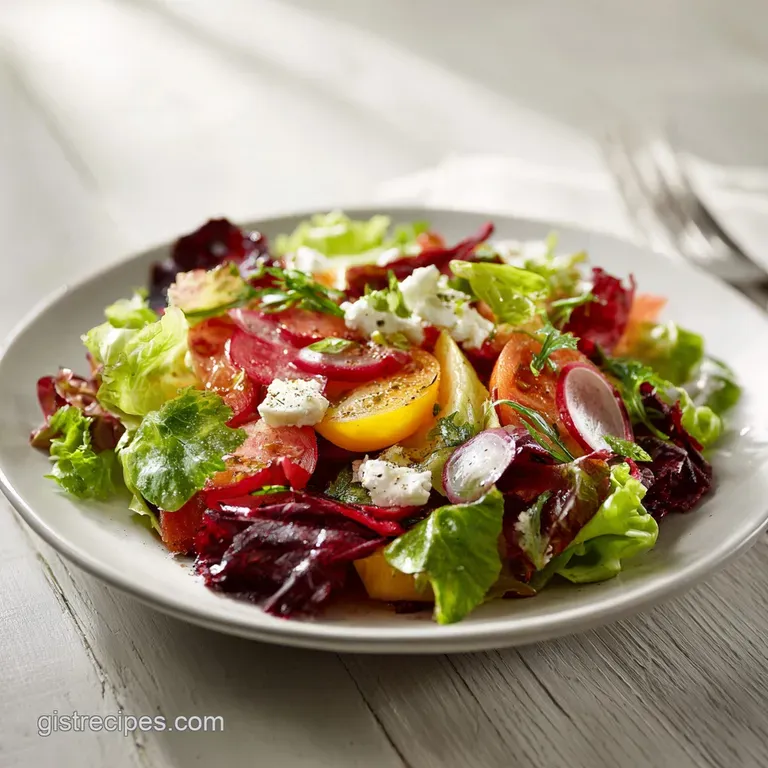
You don't need a professional kitchen to make a world class salad, but a few specific tools make the process much more enjoyable. A salad spinner is the one non negotiable for me. If the leaves aren't bone dry, the oil in the dressing will literally slide off the water coated leaves, leaving you with a puddle of oil at the bottom and flavorless greens on top.
It’s a tragedy I’ve seen too many times.
You also want a good vegetable peeler not just for the carrots, but for the onion if you want those translucent, restaurant style rings. A small glass jar with a tight lid (like a Mason jar) is my favorite way to mix dressing. It’s much more effective than whisking in a bowl, as the vigorous shaking creates a tighter emulsion. If you’re a fan of heartier vegetable sides, you might also find that this dressing works wonders on my Tennessee Onions recipe if you're looking for something warm to serve alongside.
Finally, a large wide rimmed mixing bowl is better than a deep one. It allows you to toss the greens with your hands (the best tool!) without bruising the delicate spinach or crushing the Romaine.
step-by-step Assembly Guide
- Shock the greens. Place 300g torn Romaine and 30g spinach into a bowl of ice water for 5 minutes. Note: This restores turgor pressure, making the leaves incredibly crisp.
- Dry the leaves. Drain the greens and process in a salad spinner until they are completely dry. Check for a matte finish on the leaves; any shine means they are still wet.
- Prep the toppings. Slice 150g cucumber into half moons, halve 150g cherry tomatoes, and shave 50g red onion into thin rings. Use a peeler to create 60g of carrot ribbons.
- Start the dressing. In a small glass jar, combine 120ml olive oil, 45ml red wine vinegar, 5g Dijon mustard, 1 minced garlic clove, 2.5g oregano, 3g salt, and 1.5g pepper.
- Emulsify the vinaigrette. Shake the jar vigorously for 30 seconds until the mixture looks creamy and opaque. You shouldn't see any distinct oil bubbles.
- Coat the greens. Place the dried greens in a large bowl and pour over the vinaigrette. Toss gently with your hands or large spoons until the leaves look glossy but not heavy.
- Add the garden vegetables. Incorporate the cucumbers, tomatoes, onion, and carrot ribbons into the bowl. Toss once more to distribute the weight of the toppings.
- The final flourish. Sprinkle 50g croutons and 30g shredded cheddar over the top. Listen for the crunch as the croutons settle on the crisp leaves.
- Serve immediately. Do not let it sit, or the salt in the dressing will begin to draw moisture out of the vegetables, causing them to wilt.
Troubleshooting the Common Soggy Salad
Why Your Salad Is Watery
If you find a pool of liquid at the bottom of your bowl, it usually comes down to two culprits: wet lettuce or pre salting. When lettuce isn't spun dry, the dressing can't stick. On top of that,, if you add salt directly to the tomatoes and cucumbers too early, the salt draws out their internal juices via osmosis, turning your dressing into a soup.
Always dry your greens like your life depends on it!
Why the Flavor Is Dull
Sometimes a salad looks beautiful but tastes like... nothing. This is often because the dressing hasn't been properly emulsified or there isn't enough acid to wake up the palate. If the dressing separates, you're just eating oil coated leaves, which masks the flavor of the vegetables. A good shake with that Dijon mustard is the fix. If you're looking for a different flavor profile for another occasion, my Caesar Pasta Salad offers a creamier alternative that solves the "dull flavor" problem with umami rich parmesan.
| Problem | Root Cause | Solution |
|---|---|---|
| Wilting Greens | Dressing was added too early | Only toss the salad right before the plates hit the table. |
| Greasy Mouthfeel | Dressing separated (broken emulsion) | Shake the jar longer; ensure the mustard is fresh to act as a binder. |
| Bitter Aftertaste | Red onion is too pungent | Soak shaved onions in cold water for 10 mins to mellow them out. |
Common Mistakes Checklist
- ✓ Never skip the ice water bath; it is the difference between limp and loud lettuce.
- ✓ Don't overcrowd the salad spinner; work in batches to ensure every leaf is dry.
- ✓ Avoid using pre shredded cheese if possible; the anti caking agents prevent the cheese from "clinging" to the leaves.
- ✓ Use a jar for the dressing instead of a bowl; the mechanical energy of shaking creates a better emulsion.
- ✓ Add the croutons at the literal last second to prevent them from absorbing moisture.
Creative Flavor and Diet Variations
Making It Steakhouse Style
If you want that heavy, decadent feel of a classic steakhouse house salad, swap the red wine vinegar for a balsamic reduction and add some crumbled hard boiled egg. You can also replace the cheddar with blue cheese crumbles. This version is meant to be indulgent and pairs perfectly with a seared ribeye.
The key here is to keep the onion rings very thin so they don't overpower the richness of the blue cheese.
The Mediterranean Twist
To take this in a more coastal direction, swap the cheddar for 50g of crumbled feta and add 30g of Kalamata olives. You can also add some dried mint to the dressing along with the oregano. This version is incredibly refreshing in the summer and works well with grilled pita bread on the side.
I love how the salty feta interacts with the English cucumbers.
Going Fully Vegan
This is an easy one! Simply omit the cheddar cheese or replace it with a vegan almond based feta or a sprinkle of nutritional yeast for that savory, "cheesy" hit. Ensure your croutons are made with oil rather than butter.
The heartiness of the carrot ribbons and the English cucumbers means you won't even miss the dairy.
Adding Substantial Protein
To turn this from a side into a main event, I recommend adding 150g of sliced grilled chicken breast or even some chilled chickpeas. If you go the chicken route, season it with the same oregano and garlic used in the dressing to create a cohesive flavor profile.
It makes for a fantastic lunch that won't leave you feeling sluggish.
Storage and Reducing Food Waste
Salad is notoriously difficult to store once it has been tossed, so the best strategy is "component storage." If you know you won't finish the whole batch, only dress what you are going to eat immediately.
The undressed, spun dry greens will stay crisp in a sealed container with a dry paper towel for up to 3 days in the fridge. The dressing itself is a superstar it will keep in the jar for up to a week. Just give it a good shake before using it again, as the olive oil may solidify slightly in the cold.
Regarding zero waste, don't throw away those carrot peels or the ends of the red onion! I keep a "stock bag" in my freezer where all my vegetable scraps go. Once the bag is full, I simmer everything with some water and peppercorns to make a beautiful, house made vegetable broth.
Even the stems of the spinach are packed with flavor and can be finely chopped and tossed into a morning omelet or a quick sauté.
Pairing Your Salad with Meals
The beauty of a classic house salad is its versatility. It is the ultimate "reset" button for a heavy meal. If you are serving something rich like a lasagna or a beef stew, the acidity in the red wine vinegar vinaigrette acts as a palate cleanser, making every bite of the main course taste as good as the first.
It’s that hit of freshness that keeps the meal from feeling too "one note."
I also love serving this with simple grilled fish or a classic roast chicken. Because the flavors are traditional garlic, oregano, and sharp cheddar it doesn't clash with other seasonings. It’s like the comfortable pair of jeans in your recipe wardrobe; it goes with everything.
Just remember the golden rule: keep the bowl cold and the greens dry, and your guests will be asking for the recipe before they've even finished their first helping. Happy tossing!

Recipe FAQs
What is typically in a house salad?
A house salad typically features a fresh blend of greens with seasonal garden vegetables. Our version uses torn Romaine and spinach topped with English cucumbers, cherry tomatoes, shaved red onion, and carrot ribbons for a crunch forward experience.
What salad is good for diabetics?
Yes, this house salad is a great option for managing blood sugar. It focuses on high fiber, low-glycemic vegetables and a healthy fat-based vinaigrette, which helps prevent sharp glucose spikes compared to processed options.
What is in Texas Roadhouse House salad?
While every restaurant has a proprietary blend, the classic house salad profile focuses on crunchy lettuce and tangy vinaigrette. Our recipe mimics this restaurant style freshness by using specific techniques like ice-water shocking to ensure the greens have maximum crunch.
What is considered house salad?
A house salad is defined by its role as the staple starter salad of an establishment. It is traditionally made with fresh greens, a variety of raw vegetables, and a signature vinaigrette that highlights simple, quality ingredients.
How to keep salad greens crisp?
Place torn Romaine and spinach in a bowl of ice water for 5 minutes. After shocking, spin them until completely dry to ensure the dressing adheres and the leaves maintain their structure.
How to ensure the dressing does not separate?
Shake the olive oil, red wine vinegar, Dijon mustard, and aromatics vigorously in a glass jar. If you enjoyed nailing this stable emulsion here, the same intense whisking or shaking method applies to most sauce based recipes.
How to store leftovers properly?
Store your components separately to prevent wilting. Keep undressed, spun dry greens in a sealed container with a paper towel for up to 3 days, and store your dressing in a jar in the fridge for up to one week.
Classic House Salad
Ingredients:
Instructions:
Nutrition Facts:
| Calories | 371 calories |
|---|---|
| Protein | 5.2g |
| Fat | 32.7g |
| Carbs | 16.0g |
| Fiber | 3.4g |
| Sugar | 4.8g |
| Sodium | 468mg |
