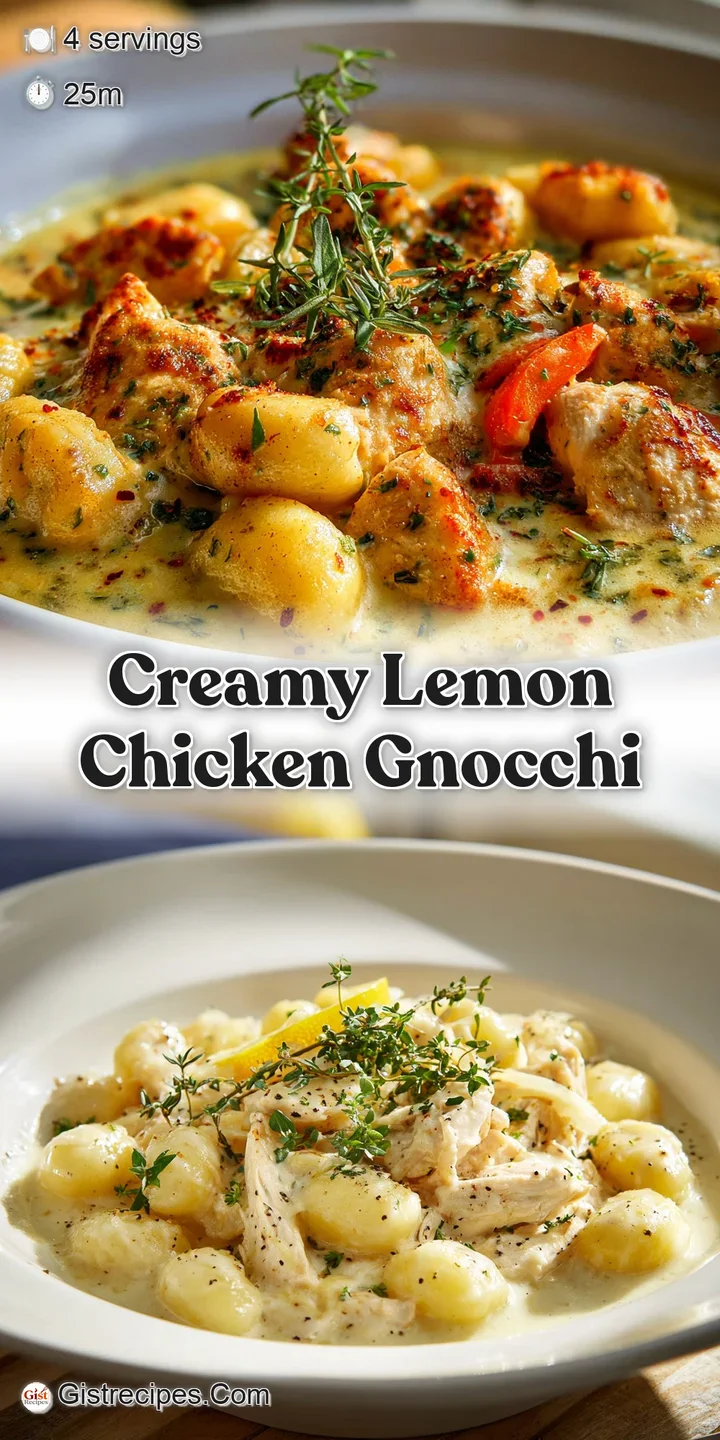
Creamy Lemon Chicken Gnocchi
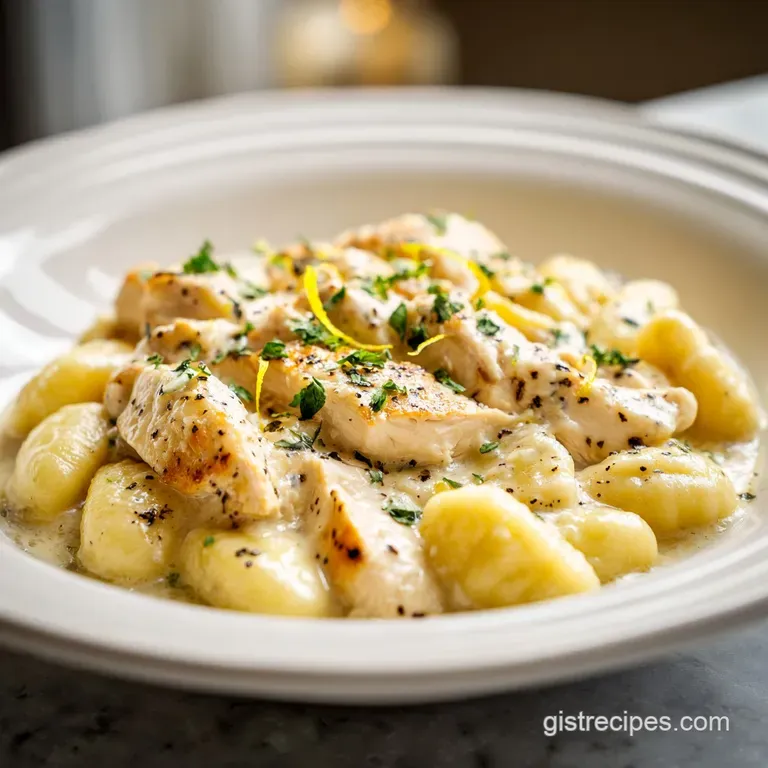
- Time: Active 10 minutes, Passive 15 minutes, Total 25 minutes
- Flavor/Texture Hook: Velvety cream sauce with a bright, zesty finish
- Perfect for: A cozy weeknight dinner or a Sunday family gathering
- Perfecting the Layers of Flavor in Creamy Lemon Chicken Gnocchi
- The Chemistry of a Velvety Citrus Emulsion
- Analyzing the Essential Components of the Sauce
- Handpicking the Best Components for a Golden Sauce
- The Simple Tools Required for a Restaurant Quality Result
- Step by Step Guide to a Family Favorite Dinner
- Fixing Common Texture and Flavor Mistakes Before They Happen
- Adjusting the Recipe for Different Group Sizes
- Debunking Common Kitchen Myths
- Best Practices for Refrigeration and Using Leftover Bits
- Choosing the Best Sides to Complement Bright Lemon Notes
- High in Sodium
- Recipe FAQs
- 📝 Recipe Card
Perfecting the Layers of Flavor in Creamy Lemon Chicken Gnocchi
There is a specific sound that happens when 1.5 lbs of seasoned chicken medallions hit a shimmering pool of extra virgin olive oil a crisp, rhythmic sizzle that tells you the sear is going to be just right. I remember the first time I tried making this for a Sunday lunch.
The kitchen was filled with the earthy scent of dried oregano and the punchy aroma of minced garlic. My grandmother used to say that the secret to a great meal wasn't just the ingredients, but how you let them talk to each other in the pan.
That day, I learned that a heavy hand with the lemon juice could either make or break the sauce. I watched as the cream swirled into the white wine, turning from a translucent liquid into a rich, golden velvet.
We sat around the old oak table, and the room went silent after the first bite the kind of silence that only happens when the food is genuinely comforting. This recipe has become my go to whenever someone needs a bit of extra love, and it works every single time because it focuses on simple, hearty flavors that never go out of style.
We’ve all had those nights where we want something that tastes like it took hours, but we only have 25 minutes before the kids start circling the kitchen like hungry hawks. This dish is exactly that.
It's about building layers searing the protein to get those browned bits (the fond), softening the shallots until they’re translucent and sweet, and letting the gnocchi soak up the sauce until they’re plump and tender.
You aren't just tossing things in a pan; you’re creating a harmony of citrus and cream that cuts through the richness of the potato.
The Chemistry of a Velvety Citrus Emulsion
Starch Binding: The potato gnocchi release small amounts of starch as they simmer, which naturally thickens the heavy cream without needing a flour based roux. This creates a glossy coating that clings to every medallion rather than pooling at the bottom of the bowl.
Acid Balance: Lemon juice acts as a surfactant that breaks down the heavy fat molecules in the cream, preventing the sauce from feeling "heavy" on the palate. The acidity provides a sharp contrast to the savory Parmesan, brightening the entire flavor profile.
| Thickness of Chicken | Internal Temp | Rest Time | Visual Cue |
|---|---|---|---|
| 1/2 inch medallion | 165°F | 3 minutes | Opaque and firm to touch |
| 1 inch medallion | 165°F | 5 minutes | Golden crust, juices run clear |
| Sliced strips | 165°F | 2 minutes | No pink remaining in center |
When you are working with poultry, reaching that 165°F mark is non negotiable for safety, but the real magic happens in the rest. Allowing the chicken to sit for just a few minutes after searing ensures the fibers relax and hold onto those seasoned juices, much like the technique used in my favorite Garlic Butter Chicken recipe.
Analyzing the Essential Components of the Sauce
| Ingredient | Science Role | Pro Secret |
|---|---|---|
| Heavy Cream | Provides the primary fat structure for the emulsion. | Room temperature cream prevents the sauce from curdling when hitting the wine. |
| Dry White Wine | Deglazing agent that lifts browned proteins (fond). | Use a Pinot Grigio or Sauvignon Blanc for the best acidity balance. |
| Potato Gnocchi | Introduces complex carbohydrates and thickening starch. | Sauté the gnocchi for 2 minutes before adding liquid for a "toasted" flavor. |
| Parmesan Cheese | Adds umami and acts as a secondary emulsifier. | Grate your own from a block to avoid the grainy texture of pre shredded bags. |
The way these elements interact is what defines the dish. The wine isn't just for flavor; it’s a tool. It scrapes up the caramelized bits of paprika and oregano left behind by the chicken, incorporating those deep, smoky notes directly into the cream.
Handpicking the Best Components for a Golden Sauce
To get the best results, start with fresh, high-quality ingredients. For the chicken, I always opt for 1.5 lbs of boneless, skinless breasts cut into uniform 1 inch medallions so they cook evenly.
- 1.5 lbs Chicken Breasts: Cut into 1 inch medallions. Why this? Medallions maximize surface area for seasoning and searing.
- 1 lb Potato Gnocchi: store-bought or fresh. Why this? They cook quickly and absorb the lemon cream beautifully.
- 1 cup Heavy Cream: Full fat is essential here. Why this? Lower fat milks will split when mixed with lemon juice.
- 0.5 cup Dry White Wine: Such as Pinot Grigio. Why this? Adds a sophisticated acidity that water or broth lacks.
- 1 large Lemon: Both zest and juice. Why this? The zest provides aroma, while juice provides the structural tang.
- 2 cups Baby Spinach: Fresh, packed. Why this? Adds color and a mild earthy note to balance the fat.
- 3 cloves Garlic: Minced finely. Why this? Essential for that classic savory base flavor.
- 2 large Shallots: Diced small. Why this? Sweeter and more delicate than standard yellow onions.
| Original Ingredient | Substitute | Why It Works |
|---|---|---|
| Heavy Cream | Full fat Coconut Milk | Similar viscosity. Note: Adds a distinct tropical undertone to the dish. |
| Dry White Wine | Chicken Broth + 1 tsp Vinegar | Replicates the liquid volume and acidity without the alcohol content. |
| Shallots | Red Onion | Provides a similar sharp then sweet profile when sautéed thoroughly. |
| Spinach | Kale (destemmed) | Sturdier texture. Note: Requires 3 extra minutes of simmering to soften. |
If you find yourself enjoying the texture of these dumplings, you might also love the bold spices found in a Rasta Pasta Recipe, which uses a similar cream based approach but with a Caribbean twist.
The Simple Tools Required for a Restaurant Quality Result
You don't need a professional kitchen to pull this off, but a few specific tools make the process much smoother. I highly recommend a large 12 inch cast iron skillet or a heavy bottomed stainless steel pan.
These materials hold heat better than thin aluminum, which is crucial for getting that golden brown sear on the chicken medallions without boiling them in their own juices.
A microplane or fine grater is also a lifesaver for the lemon zest and the Parmesan. You want the zest to be almost like a powder so it disappears into the sauce, releasing its oils without leaving bitter chunks.
For the garlic, a simple chef's knife works best for mincing, as garlic presses can sometimes make the garlic taste bitter by crushing the cells too aggressively. Finally,, a sturdy wooden spoon is your best friend for deglazing it’s strong enough to scrape the bottom of the pan but won't scratch your seasoned cookware.
step-by-step Guide to a Family Favorite Dinner
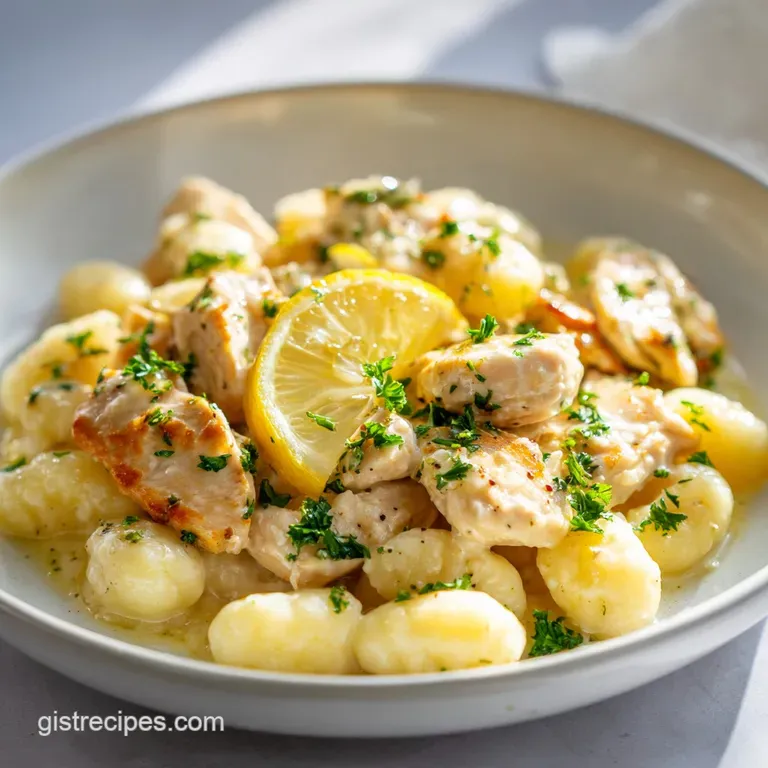
1. Searing the Protein
Pat the 1.5 lbs of chicken medallions dry with paper towels. Toss them in a bowl with 1 tsp smoked paprika, 1 tsp dried oregano, 0.5 tsp sea salt, and 0.5 tsp cracked black pepper until every piece is evenly coated in spices. Heat 2 tbsp olive oil in your skillet over medium high heat.
2. Achieving the Golden Crust
Add the chicken to the pan in a single layer. Brown for 3 minutes per side until a deep golden crust forms and the meat releases easily from the pan. Note: Don't crowd the pan, or the chicken will steam instead of sear. Remove the chicken and set it aside on a plate.
3. Sautéing the Aromatics
Lower the heat to medium. In the same pan, add the 2 diced shallots and 3 minced garlic cloves. Cook for 2 minutes until the shallots are translucent and smell fragrant.
4. Deglazing the Pan
Pour in the 0.5 cup of dry white wine. Use your wooden spoon to scrape the bottom of the pan until all the browned bits are dissolved into the liquid. Let the wine simmer for 2 minutes until it has reduced by half.
5. Simmering the Gnocchi and Sauce
Stir in the 1 cup of heavy cream and the 1 lb of potato gnocchi. Bring the mixture to a gentle simmer. Cook for about 5 minutes until the gnocchi are tender and the sauce has thickened slightly.
6. Incorporating the Greens
Add the 2 cups of baby spinach to the pan. Fold them in gently until the leaves have wilted into the sauce. This should only take about 1 minute.
7. The Final Citrus Punch
Stir in the lemon zest, the juice of the lemon, and 0.5 cup of freshly grated Parmesan cheese. Whisk or stir until the cheese is fully melted and the sauce is velvety.
8. Marrying the Elements
Return the cooked chicken medallions to the pan, along with any juices that collected on the plate. Toss everything together until the chicken is heated through and coated in the lemon cream.
9. Finishing Touches
Turn off the heat. Sprinkle the 2 tbsp of chopped fresh parsley over the top until the green pops against the golden sauce. Serve immediately while the sauce is at its peak creaminess.
Fixing Common Texture and Flavor Mistakes Before They Happen
Why Your Gnocchi Feels Mushy
If the gnocchi lose their structure and turn into a paste, they were likely overcooked or the sauce was too thin for too long. Gnocchi act like sponges; they will continue to absorb moisture even after you turn off the stove. Always check them a minute before the package instructions suggest.
Why Your Sauce Broke or Curdled
This usually happens when cold cream hits a very hot pan or when the lemon juice is added too early. The acid in the lemon can cause the proteins in the dairy to clump. By adding the lemon juice at the very end and ensuring the cream is at least room temperature, you create a much more stable emulsion.
| Problem | Root Cause | Solution |
|---|---|---|
| Thin, watery sauce | Not enough reduction of wine/cream | Simmer for 2 extra minutes or add more Parmesan |
| Bland flavor | Lack of salt or acid balance | Add a pinch of sea salt and another squeeze of lemon |
| Tough chicken | Overcooked during the initial sear | Reduce initial sear time; chicken finishes in the sauce |
Common Mistakes Checklist
- ✓ Pat the chicken dry before seasoning to ensure a crisp sear.
- ✓ Never boil the sauce vigorously after adding the cream; a gentle simmer is all you need.
- ✓ Use fresh lemon juice, not the bottled kind, which often has a metallic aftertaste.
- ✓ Wait until the very end to add the spinach so it stays bright green rather than turning grey.
- ✓ If the sauce gets too thick while sitting, add a splash of pasta water or chicken broth to loosen it.
Adjusting the Recipe for Different Group Sizes
Scaling Down for Two
When cutting the recipe in half, use a smaller 8 inch or 10 inch skillet. You can still use a whole shallot for extra flavor, but reduce the wine and cream proportionately. Be careful with the cook times; a smaller volume of liquid will reduce much faster, so keep a close eye on the pan during the deglazing step to prevent the wine from evaporating completely.
Scaling Up for a Crowd
If you’re doubling the recipe to 8 servings, I highly recommend working in batches. Sear the chicken in two separate rounds so the pan doesn't get overcrowded. When it comes to the sauce, increase the spices to 1.5x rather than a full 2x to avoid overpowering the delicate lemon.
You may need a large Dutch oven instead of a skillet to accommodate 2 lbs of gnocchi and the extra spinach.
| Method | Time | Texture | Best For |
|---|---|---|---|
| Classic Skillet | 25 mins | Creamy & Seared | Standard family dinner |
| Slow Cooker | 4 hours | Soft & Shredded | Meal prep (add gnocchi at end) |
| Oven Baked | 35 mins | Bubbling & Toasty | Casserole style gatherings |
Chef's Tip: If you want a bit of extra texture, try pan frying the gnocchi in a separate buttered skillet until they have a "shatter" crisp exterior before tossing them into the lemon sauce at the very end.
Debunking Common Kitchen Myths
Myth: You must boil gnocchi in water before adding them to a sauce. Truth: In many pan sauce recipes, you can cook the gnocchi directly in the simmering cream or broth. The starch they release stays in the pan, helping to thicken the sauce naturally.
Boiling them beforehand often leads to a waterlogged, mushy texture.
Myth: Searing chicken "seals in" the juices. Truth: Searing is actually about the Maillard reaction creating new flavor compounds and a brown crust. Moisture is still lost during cooking.
The reason the chicken stays juicy in this recipe is because we cut it into medallions and finish it gently in the cream, preventing it from drying out.
Best Practices for Refrigeration and Using Leftover Bits
Storage Guidelines
Store any leftovers in an airtight container in the fridge for up to 3 days. Because the gnocchi will continue to soak up the sauce as they sit, you might find the dish looks a bit "dry" the next day. This is perfectly normal!
Reheating and Zero Waste
When reheating, do not use the microwave if you can avoid it, as it tends to make the chicken rubbery. Instead, place the leftovers in a small pan over low heat and add a splash of milk or chicken broth. Stir gently until the sauce becomes velvety again.
For a zero waste approach, don't throw away your lemon peels! After zesting, you can toss the remaining rinds into a jar of white vinegar to create a natural kitchen cleaner, or simmer them with water and a cinnamon stick to make your house smell like a dream.
If you have leftover spinach that's starting to wilt, blend it into a quick pesto or toss it into a morning smoothie.
Choosing the Best Sides to Complement Bright Lemon Notes
This dish is quite hearty on its own, so I usually keep the pairings light. A crisp green salad with a simple vinaigrette provides a nice acidic crunch that cleanses the palate between bites of the rich gnocchi.
If you want something more substantial, a side of roasted asparagus or steamed broccolini with a touch of sea salt works beautifully.
The Perfect Side
A crusty loaf of French bread or sourdough is almost mandatory. You’ll want something to soak up every last drop of that creamy lemon sauce. If you’re feeling adventurous, a side of OvenBaked Crispy Chicken Wings can turn this into a full blown feast for a game day or a big family celebration.
Decision Shortcut
- If you want a thicker sauce, add an extra 0.25 cup of Parmesan and simmer for 2 more minutes.
- If you want a lighter meal, swap half the heavy cream for chicken broth and double the spinach.
- If you want more crunch, top the finished dish with toasted panko breadcrumbs mixed with lemon zest.
High in Sodium
938 mg mg of sodium per serving (41% of daily value)
The American Heart Association recommends limiting sodium intake to no more than 2,300mg per day for most adults.
Sodium Reduction Tips for Chicken Gnocchi
-
Reduce Parmesan Cheese-15%
Parmesan cheese is a significant source of sodium. Reduce the amount of Parmesan cheese by half or substitute with a low-sodium cheese alternative to decrease sodium by up to 15%.
-
Reduce Added Salt-25%
Eliminate the sea salt entirely or reduce it to 1/4 tsp. Taste the dish and adjust as needed. This can reduce sodium by up to 25%.
-
Fresh Herbs Over Salt
Enhance the flavor of the dish by increasing the amount of fresh parsley and lemon zest/juice instead of relying on salt. These provide a burst of flavor without adding sodium.
-
Low-Sodium Gnocchi-10%
Check the sodium content of your potato gnocchi and opt for a low-sodium or homemade version to reduce the sodium in the recipe by approximately 10%.
-
Low-Sodium Wine-5%
Wine itself does not contain much sodium, but some brands may contain additives with sodium. Check the nutritional information and opt for a wine that lists 0g or a very low number of mg for sodium. This can reduce sodium by up to 5%.
-
Acid Boost
Increase the amount of lemon juice and zest to enhance the dish's brightness and reduce the need for salt. Consider adding a splash of vinegar for extra flavor dimension.
Recipe FAQs
Can I substitute the gnocchi with pasta?
No, it is not recommended for texture matching. Gnocchi release starch that naturally thickens the lemon cream sauce as they simmer; regular pasta will require a separate thickening agent like a roux.
How to prevent the cream sauce from curdling when adding lemon?
Add the lemon juice last, off the heat, or whisk it in very slowly. Cold dairy hitting high heat alongside acid causes separation; ensuring your cream is room temperature helps stability.
Is it necessary to sear the chicken medallions before adding them to the sauce?
Yes, searing is critical for flavor development. Searing the chicken creates the fond the browned bits on the bottom of the pan which you deglaze with wine to build the foundational savory depth of the sauce.
How to make this recipe lighter without losing the creamy mouthfeel?
Replace half the heavy cream with low sodium chicken broth. This cuts fat while maintaining volume, similar to how we lighten sauces in our Creamy Rasta Pasta recipe by adjusting dairy ratios.
How long can the cooked Creamy Lemon Chicken Gnocchi be safely stored in the refrigerator?
Store leftovers safely for up to three days in an airtight container. When reheating, use low heat and add a splash of milk or broth to reintroduce moisture to the now absorbent gnocchi.
How do I ensure the chicken reaches 165°F without drying out?
Use an instant read thermometer to verify the thickest part hits 165°F, then remove it from the heat immediately. Allowing the chicken to rest for five minutes before finishing it in the sauce prevents moisture loss, a technique we also use in our Garlic Butter Chicken recipe.
What is the best way to grate lemon zest for maximum flavor dispersion?
Use a microplane or fine grater to grate only the yellow peel, avoiding the white pith underneath. The pith contains bitter oils, while the zest holds the bright aromatic oils that define the sauce's freshness.
Creamy Lemon Chicken Gnocchi
Ingredients:
Instructions:
Nutrition Facts:
| Calories | 837 kcal |
|---|---|
| Protein | 62 g |
| Fat | 39 g |
| Carbs | 51 g |
| Fiber | 3 g |
| Sugar | 4 g |
| Sodium | 938 mg |
