Game Day Recipe with Buffalo Wings: Shatter Crisp Skin
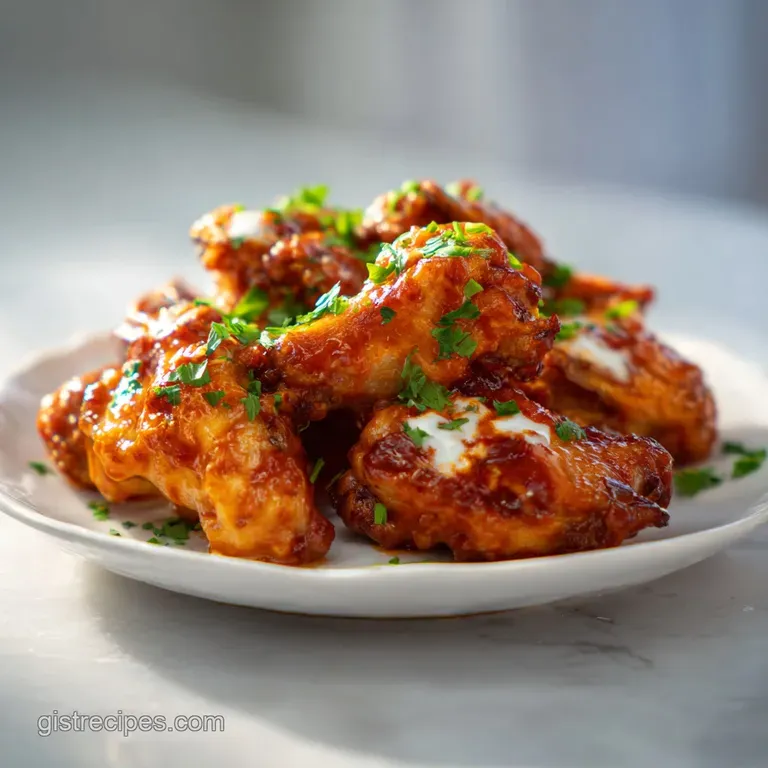
- Time: Active 25 minutes, Passive 45 minutes, Total 1 hour 10 minutes
- Flavor/Texture Hook: Shatter crisp skin with a tangy, buttery finish
- Perfect for: High stakes game days and crowd-pleasing appetizers
- Winning Game Day Recipe with Buffalo Wings
- Essential Specs and Timing
- Components of the Flavor Profile
- Required Gear for Better Results
- Executing the Three Phase Method
- Fixing Common Buffalo Wing Problems
- Flavor Swaps and Creative Tweaks
- Proper Storage and Reheating Methods
- Serving Suggestions for Big Crowds
- Very High in Sodium
- Recipe FAQs
- 📝 Recipe Card
Winning Game Day Recipe with Buffalo Wings
Picture this: the clock is ticking down, the room is loud, and you reach for a wing that actually crackles when you bite it. I used to be the person serving sad, rubbery wings that felt more like a chore than a treat.
It was embarrassing, honestly, until I stopped trying to "guess" the crunch and started using a little kitchen chemistry to force the skin into submission.
This isn't just another soggy tray of chicken; it’s a method for achieving a restaurant style shatter that holds its own against a heavy sauce. We're talking about a coating that doesn't slide off and a meat to bone ratio that feels substantial.
You'll get that iconic Frank's RedHot® sting but mellowed out with cold butter and a hint of honey for a rounded, savory profile.
Right then, let's get into how we build these layers of flavor. We aren't just throwing things in a bowl; we're treating the chicken, the heat, and the emulsion as three separate steps. Trust me on this, once you hear that first crunch, you’ll never go back to your old way of doing things.
Essential Specs and Timing
The pH Shift for Crispness: Baking powder raises the skin's pH, breaking down peptide bonds and creating a bumpy surface area that browns faster. This micro texture is what allows the skin to become remarkably brittle rather than chewy.
- Alkaline Surface: High pH levels accelerate the Maillard reaction for deeper color.
- Moisture Evaporation: The salt draws out surface liquid so the skin fries in its own rendered fat.
- Emulsified Coating: Cold butter added to hot sauce creates a thick, velvety cling.
| Wing Thickness | Internal Temp | Rest Time | Visual Cue |
|---|---|---|---|
| Standard (small) | 165°F | 3 mins | Skin looks tight and golden |
| Meaty (jumbo) | 175°F | 5 mins | Bone ends start to peek out |
| Frozen (thawed) | 165°F | 4 mins | Surface is completely matte |
Whether you use this method or my OvenBaked Crispy Chicken Wings recipe, the goal remains the same: total moisture removal from the skin.
Components of the Flavor Profile
| Ingredient | Science Role | Pro Secret |
|---|---|---|
| Baking Powder | pH Modifier | Must be aluminum free to avoid a metallic aftertaste. |
| Frank's RedHot® | Acid/Base | The vinegar cuts through the heavy fat of the chicken skin. |
| Unsalted Butter | Emulsifier | Using cold cubes creates a thicker, glossy sauce that won't break. |
| Honey | Viscosity | Adds weight to the sauce so it grips the wings better. |
Required Gear for Better Results
You don't need a commercial kitchen, but a wire cooling rack set inside a large rimmed baking sheet is non negotiable here. If the wings sit directly on the metal sheet, they'll swim in their own rendered fat and turn into a soggy mess.
The rack allows 360 degree airflow, which is the only way to get that "shatter" texture on the bottom side of the wing.
A large stainless steel mixing bowl is also your best friend for the final toss. You want something with enough room to aggressively shake the wings without them flying across the kitchen.
A small whisk will help you marry the cold butter into the warm hot sauce, ensuring that the sauce stays thick and doesn't separate into an oily pool at the bottom of the bowl.
Executing the Three Phase Method
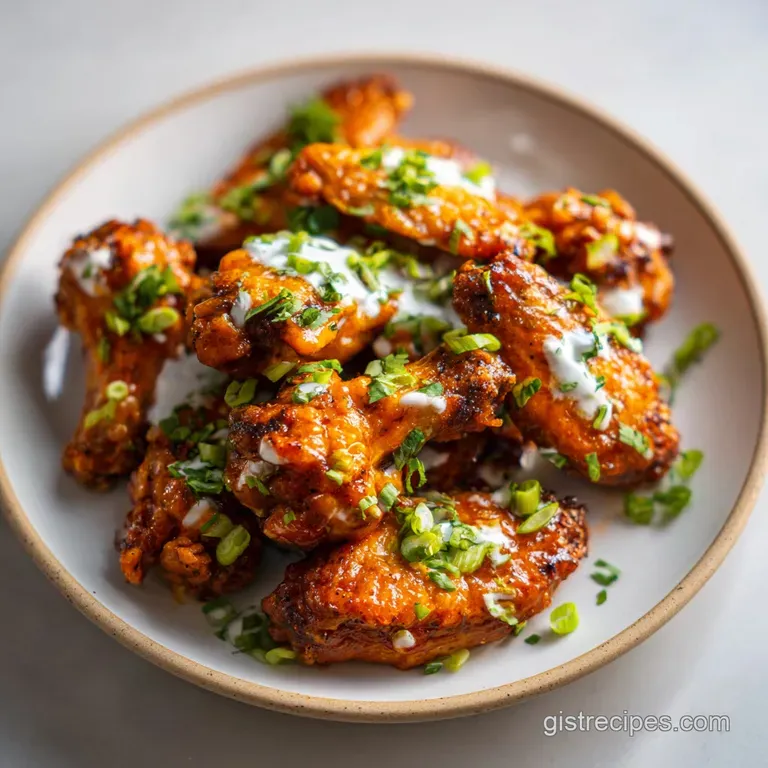
- Pat 2 lbs chicken wings completely dry using paper towels. Note: Surface moisture is the enemy of a crispy wing.
- Whisk 1 tbsp aluminum free baking powder, 1/2 tsp kosher salt, and 1/2 tsp smoked paprika in a small bowl.
- Toss the wings in the powder mixture until every crevice is evenly coated and matte.
- Arrange wings on a wire rack over a baking sheet, leaving at least an inch between each piece.
- Bake at 400°F (200°C) for 45 minutes, flipping halfway through until the skin is bubbling and deeply golden.
- While chicken roasts, combine 1/2 cup Frank's RedHot®, 1 tbsp honey, and 1/2 tsp garlic powder in a small saucepan over low heat.
- Whisk in 4 tbsp cold, cubed butter one piece at a time until the sauce is glossy and thick.
- Remove wings from the oven and let them rest for 3 minutes on the rack to set the crust.
- Transfer wings to a large bowl, pour the warm sauce over them, and toss vigorously.
- Serve immediately while the sauce is still warm and the skin is crackling.
Fixing Common Buffalo Wing Problems
Why Your Wings Are Sinking
If your wings come out of the oven looking pale and feeling soft, it’s usually a moisture or crowding issue. If the wings are too close together, they steam each other instead of roasting.
Sauce Separating and Getting Greasy
A broken sauce looks like orange oil with red clumps. This happens if the sauce gets too hot or if the butter is added too fast. Keep the heat low and use cold butter to stabilize the emulsion.
| Problem | Root Cause | Solution |
|---|---|---|
| Metallic taste | Aluminum in powder | Switch to aluminum free baking powder brands only. |
| Soggy bottoms | No airflow | Always use a wire rack; never bake directly on foil. |
| Sauce won't stick | Sauce too thin | Increase honey slightly or ensure butter is whisked in cold. |
Common Mistakes Checklist
- ✓ Never use "baking soda" instead of baking powder; they are not the same.
- ✓ Don't skip the pat dry step; even "dry" looking wings have surface moisture.
- ✓ Avoid crowding the pan; work in two batches if your tray is small.
- ✓ Let the wings rest for 3 minutes before saucing to prevent the skin from steaming.
Flavor Swaps and Creative Tweaks
If you find yourself out of honey, maple syrup works as a 1:1 swap, though it adds a slightly woodsy note that's actually quite nice with the smoked paprika. For those who want a different flavor profile entirely, you can take these crispy baked wings and toss them in my Cowboy Butter chicken recipe sauce instead. The garlic and herb punch is a fantastic alternative for guests who aren't fans of vinegar based heat.
| Original Ingredient | Substitute | Why It Works |
|---|---|---|
| Honey (1 tbsp) | Brown Sugar (1 tbsp) | Provides sweetness and helps with sauce "cling." |
| Unsalted Butter | Ghee | Higher smoke point but lacks the creamy milk solids for emulsion. |
| Smoked Paprika | Cayenne Pepper | Increases the heat level without adding the smoky aroma. |
Proper Storage and Reheating Methods
Storage: Keep leftovers in an airtight container in the fridge for up to 4 days. If you want to freeze them, do it before saucing. Frozen plain crispy wings last about 2 months.
Zero Waste: Save the wing tips if you buy whole wings and butcher them yourself! Toss them into a freezer bag for the next time you make chicken stock. Also, if you have leftover buffalo sauce, it’s incredible drizzled over baked potatoes or stirred into a ranch dressing for a spicy dip.
To reheat, avoid the microwave at all costs it turns the skin into wet cardboard. Put them back in a 375°F (190°C) oven or an air fryer for 5-8 minutes until they sizzle again.
Serving Suggestions for Big Crowds
When it comes to the spread, I’m a purist cold celery sticks and a heavy duty blue cheese dressing are mandatory to reset your palate between bites. The contrast between the hot, spicy wings and the cold, crunchy celery is half the fun.
If you're hosting a large group, I recommend serving these alongside something heartier, like a BBQ Meatball Recipe. It gives people options and prevents you from having to cook 50 lbs of wings just to keep everyone full.
Chef's Note: Always sauce the wings in batches. If you sauce a massive pile of 40 wings at once, the ones at the bottom will get soggy before the plate even hits the coffee table. Sauce 10-12 at a time and replenish as they disappear.
Debunking Wing Myths
"Fried is always crispier than baked." This is simply false. With the baking powder method, you can actually achieve a lower moisture content in the skin than frying, leading to a crunch that lasts longer even after being sauced.
"You must marinate wings for flavor." Actually, a wet marinade is the enemy of crispiness. The meat of a wing is small enough that the salt in our dry brine penetrates quickly, and the heavy sauce provides all the surface flavor you need. Keep the skin dry for the best results.

Very High in Sodium
1170 mg mg of sodium per serving (51% of daily value)
The American Heart Association recommends limiting sodium intake to no more than 2,300mg per day for most adults.
Tips to Reduce Sodium in Your Chicken Wings:
-
Dilute the Hot Sauce-20%
Frank's RedHot® Original Cayenne Pepper Sauce is a significant source of sodium in this recipe. Try diluting it with unsalted chicken broth or water to reduce the sodium content by approximately 20%.
-
Reduce Added Salt-25%
The recipe calls for 1/2 tsp of kosher salt. Start with 1/4 tsp or omit it altogether, tasting and adjusting at the very end. This could reduce sodium by up to 25%.
-
Use Unsalted Butter-5%
Ensure you are using truly unsalted butter. Even a small amount of salt in the butter can contribute to the overall sodium content. Using unsalted butter is crucial.
-
Brine the Chicken Carefully-15%
Avoid brining the chicken wings with a high sodium brine before cooking, as it will significantly increase the sodium content. Consider skipping the brine altogether, or using a very low-sodium brine.
-
Flavor with Herbs and Spices
Enhance the flavor with sodium free herbs and spices! Experiment with onion powder, white pepper, dried oregano, or a chili powder blend to boost the taste without adding sodium.
Recipe FAQs
Can I skip the baking powder and just use baking soda for extra crispiness?
No, never substitute baking soda for baking powder. Baking soda is a much stronger base and will leave a distinctly metallic, soapy aftertaste on your wings.
How to ensure the buffalo sauce clings thickly to the wings instead of being runny?
Whisk cold, cubed butter into the warm sauce slowly off the heat. The sudden temperature change stabilizes the emulsion, thickening the sauce so it has the body to coat the wings without separating.
Is it true that baked wings will never achieve the crunch of deep fried wings?
False. When using the dry brine technique involving baking powder, you remove more surface moisture than frying, often resulting in a crunch that lasts longer than traditionally fried versions.
How to reheat leftover wings so they retain maximum crispness?
Place wings on a rack in a 375°F oven or air fryer for 5-8 minutes. The microwave steams the skin, destroying the texture, so convection heat is essential for reactivating the crust.
Can I use a wet marinade instead of the dry brine coating for flavor penetration?
No, avoid wet marinades entirely for this recipe. Surface moisture is the primary enemy of crispy skin, and a wet marinade will inhibit the essential pH shift needed for the shatter effect.
What is the best way to prepare a large batch of wings without overcrowding the pan?
Work in two separate batches using two wire racks if necessary. Crowding causes the wings to steam in their own rendered fat, turning the bottoms soggy, regardless of the high oven temperature.
Can I use a substitute for honey in the buffalo sauce for a different sweetness profile?
Yes, maple syrup is an excellent 1:1 substitute for honey in the sauce. If you enjoy balancing savory heat with complex sweetness, you might also enjoy the robust flavor profile we use in our Bang Bang Salmon recipe.
Crispy Buffalo Wings For Game Day
Ingredients:
Instructions:
Nutrition Facts:
| Calories | 554 kcal |
|---|---|
| Protein | 39.7 g |
| Fat | 34.8 g |
| Carbs | 4.8 g |
| Fiber | 0.1 g |
| Sugar | 4.2 g |
| Sodium | 1170 mg |
