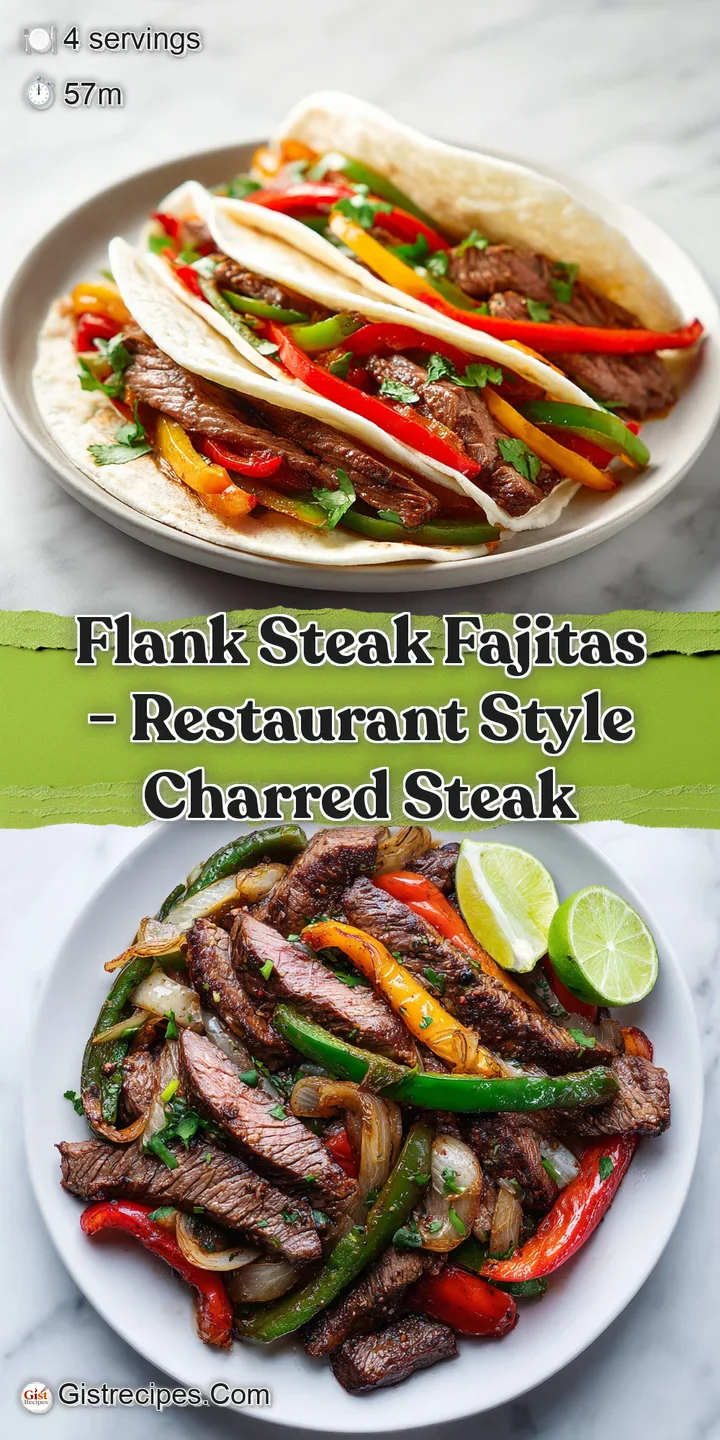
Flank Steak Fajitas: Tender and Charred
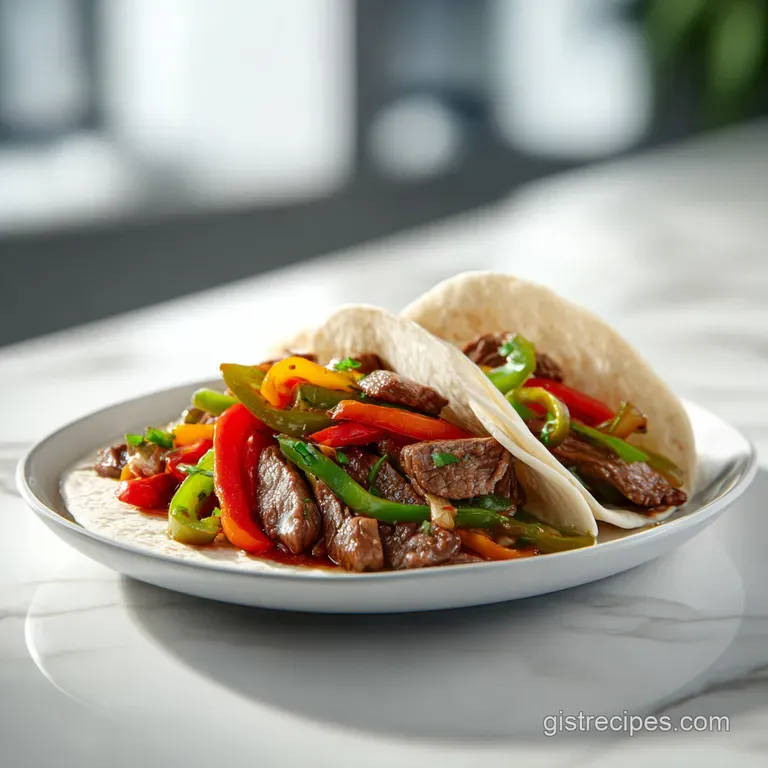
- Time: Active 12 minutes, Passive 45 minutes, Total 57 minutes
- Flavor/Texture Hook: Zesty, smoky char with a velvety, melt in-the mouth center
- Perfect for: High protein weeknight dinners and backyard style indoor feasts
- Sizzling Flank Steak Fajitas for Authentic Flavor
- Why This Authentic Recipe Works
- Core Specs for Kitchen Success
- Essential Ingredients and Smart Substitutes
- Tools Needed for the Sizzle
- Step by Step Cooking Guide
- Troubleshooting Your Steak Fajita Prep
- Creative Variations and Recipe Twists
- Storing Leftovers for Best Flavor
- Best Sides for Your Meal
- Culinary Myths Debunked
- High in Sodium
- Recipe FAQs
- 📝 Recipe Card
Sizzling Flank Steak Fajitas for Authentic Flavor
I remember the first time I tried to recreate that iconic restaurant sizzle at home. I bought a beautiful piece of meat, threw it in a pan with some onions, and ended up with something that tasted like a rubber band. I was devastated.
I spent the next few months obsessing over what went wrong, talking to every grill master I knew, and finally realized that Flank Steak Fajitas aren't just about the heat they're about the prep and the "against the grain" geometry.
That specific sound of the cold, lime marinated beef hitting a white hot cast iron skillet is something that still gets me excited every single Tuesday night. The way the citrus hits the hot metal and sends a cloud of spicy, garlic scented steam into the kitchen is better than any candle you could buy.
It's a sensory experience that tells your brain, "Dinner is going to be incredible."
We've all been there staring at a recipe that looks great in photos but leaves you with chewy meat or soggy peppers. This method is my personal "no fail" system. We're going to use the acid from fresh limes to do the heavy lifting before the meat even touches the pan.
If you follow these steps, you'll get that gorgeous mahogany crust and a center that’s so tender you could practically cut it with a fork. Trust me on this one; the details matter.
Why This Authentic Recipe Works
- Acidic Denaturation: The lime juice breaks down the lean protein bonds in the flank, acting as a chemical tenderizer before the heat even starts.
- Maillard Maximization: High smoke point avocado oil allows us to reach 200°C, creating a deep brown crust that houses hundreds of complex flavor compounds.
- Carryover Control: Resting the meat for a full 5 minutes allows the internal pressure to stabilize, meaning the juices stay in the steak rather than flooding your cutting board.
| Thickness | Internal Temp | Rest Time | Visual Cue |
|---|---|---|---|
| 1.5 cm | 54°C (130°F) | 5 minutes | Warm red center, charred edges |
| 2.5 cm | 57°C (135°F) | 7 minutes | Pink center, firm to the touch |
| 3.5 cm | 60°C (140°F) | 8 minutes | Barely pink, very firm exterior |
The thickness of your steak dictates everything about your timing. If you’ve got a thinner cut, you need to move fast to avoid turning that beautiful beef into something resembling shoe leather.
Core Specs for Kitchen Success
To get this Flank Steak Fajitas recipe right, we need to understand the relationship between our ingredients. The steak is the star, but the marinade is the supporting cast that makes it shine. We aren't just adding flavor; we're changing the physical structure of the meat.
| Ingredient | Science Role | Pro Secret |
|---|---|---|
| Flank Steak | Primary Protein | Slice against the long fibers to shorten them for tenderness. |
| Lime Juice | Acidic Tenderizer | Don't marinate over 12 hours or the meat turns to mush. |
| Smoked Paprika | Flavor Compound | High oil content in the spice helps it bloom in the hot pan. |
Adding the salt directly into the marinade creates a brine like effect. This allows the seasoning to penetrate deep into the muscle fibers instead of just sitting on the surface. It's the difference between a steak that's seasoned and a steak that's flavorful all the way through.
Essential Ingredients and Smart Substitutes
- 1.5 lb flank steak: The classic choice for its beefy flavor and lean profile. Why this? It has long muscle fibers that soak up marinade beautifully.
- 1/4 cup fresh lime juice: Provides the necessary acid for tenderizing. Why this? Fresh juice contains active enzymes that bottled juice lacks.
- 3 tbsp olive oil: Helps the spices stick and prevents the meat from sticking to the bag.
- 4 cloves garlic, minced: Adds that essential savory punch.
- 1 tbsp chili powder: The base of our "bbq" style rub.
- 1 tsp ground cumin: Gives that earthy, authentic Mexican aroma.
- 1 tsp smoked paprika: This is my secret for that "outdoor grill" taste while cooking indoors.
- 1 tsp kosher salt: Use coarse salt for better control over seasoning.
- 1 tsp cracked black pepper: For a bit of back of-the throat heat.
- 3 large bell peppers: Use a mix of red, yellow, and green for visual appeal and sweetness.
- 1 large yellow onion: It caramelizes faster than white onions, adding sweetness.
- 2 tbsp avocado oil: High smoke point (270°C) is mandatory for the sear.
- 8 small flour tortillas: Soft and pliable to hold all the fillings.
- 1/4 cup fresh cilantro: For a bright, herbaceous finish.
| Original Ingredient | Substitute | Why It Works |
|---|---|---|
| Flank Steak | Skirt Steak | More fat and intense flavor but can be tougher if not cut right. |
| Lime Juice | Lemon Juice | Similar pH level but will provide a slightly more floral, less "zesty" note. |
| Avocado Oil | Grapeseed Oil | Both have high smoke points, ensuring the oil doesn't burn and turn bitter. |
If you're looking for another punchy beef dish that uses high heat, you have to try my Garlic Butter Steak recipe. It uses a similar logic of fast searing to keep the center juicy.
Tools Needed for the Sizzle
You don't need a professional kitchen, but a cast iron skillet is non negotiable for me. Stainless steel is okay, but it doesn't hold heat nearly as well. When you drop 680g of cold meat into a pan, you want a heavy vessel that won't drop in temperature.
If the temperature drops, your meat will steam instead of sear, and you'll lose that "shatter" on the crust.
A sharp chef's knife is your second most important tool. Slicing flank steak requires precision. If your knife is dull, you'll end up tearing the fibers rather than cleanly cutting through them. Also, keep a pair of sturdy tongs nearby; you'll need them to move the meat and veggies quickly to prevent burning.
step-by-step Cooking Guide
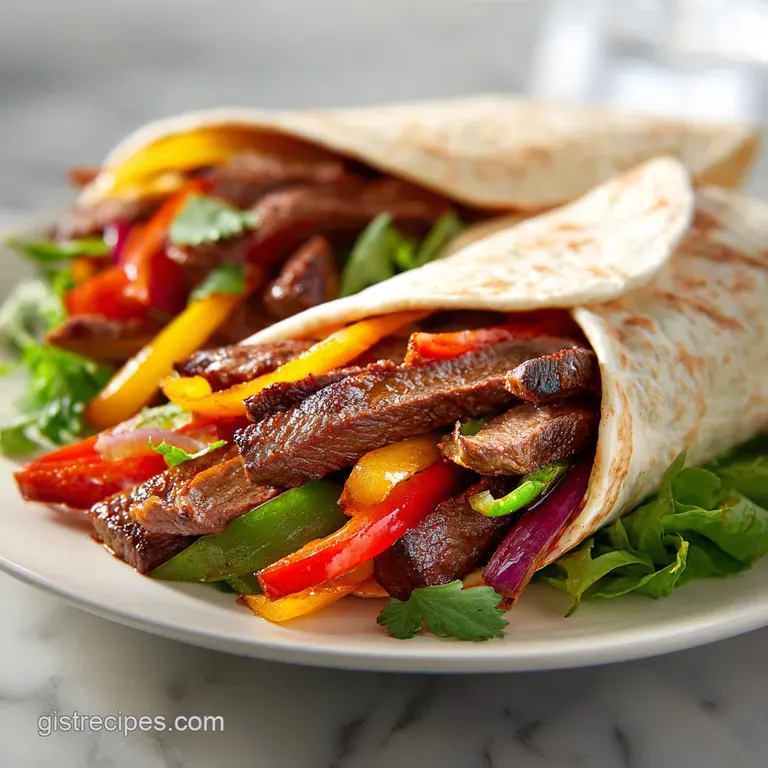
Phase 1: The Flavor Infusion
In a large bowl or a zip top bag, whisk together the 1/4 cup lime juice, 3 tbsp olive oil, 4 cloves of minced garlic, 1 tbsp chili powder, 1 tsp cumin, 1 tsp smoked paprika, 1 tsp salt, and 1 tsp pepper. Place the 1.5 lb flank steak inside, ensuring it's completely coated.
Note: Marinating for 45 minutes is the sweet spot for tenderness.
Phase 2: The over High heat Sear
Heat a large cast iron skillet over medium high heat with 1 tbsp of avocado oil. Wait until the oil is shimmering and just starting to wisp smoke. Remove the steak from the marinade, patting it slightly dry with a paper towel.
Place the steak in the pan and sear for 5 to 6 minutes per side until a dark, mahogany crust forms.
Phase 3: The Blistered Veggies
Remove the steak from the pan and set it on a cutting board to rest. Immediately add the remaining 1 tbsp of avocado oil to the same pan. Toss in the sliced 3 bell peppers and the yellow onion.
Sauté for 4 to 5 minutes until the edges are blackened and the centers are tender crisp.
Phase 4: The Strategic Slice
Look at the steak and identify the long lines of muscle fiber. Position your knife perpendicular to those lines. Slice the steak into thin strips at a 45 degree angle. Note: This creates more surface area for the juices to cling to.
Phase 5: The Final Assembly
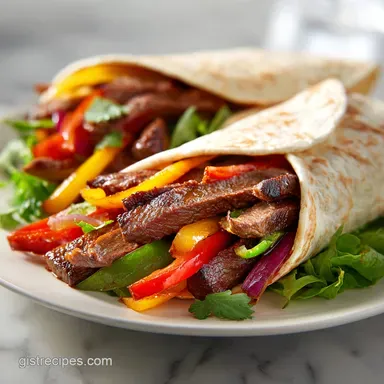
Warm the 8 flour tortillas in a dry pan for 30 seconds per side. Pile the sliced steak and blistered vegetables onto the tortillas. Top with 1/4 cup of fresh chopped cilantro and an extra squeeze of lime if you're feeling fancy.
Chef's Tip: If you want that true restaurant "sizzle" when serving, put the empty cast iron pan back on the heat for 2 minutes, then drop a teaspoon of butter and a splash of lime juice on it right before bringing it to the table. The steam and sound are incredible.
Troubleshooting Your Steak Fajita Prep
Solving the Rubbery Texture Issue
If your steak feels like you're chewing on a garden hose, it's almost always a cutting error. Flank steak is made of very long, strong muscle fibers. If you slice parallel to those fibers, your teeth have to do the work of breaking them down.
By slicing "against the grain," you're essentially pre chewing the meat with your knife.
Preventing Watery Vegetable Messes
Sometimes your peppers and onions end up swimming in a pool of gray liquid. This happens because the pan wasn't hot enough or you overcrowded it. When vegetables are crowded, the steam they release gets trapped, boiling them instead of searing them. Work in two batches if your pan is on the smaller side.
| Problem | Root Cause | Solution |
|---|---|---|
| Meat is gray, not brown | Pan was too cold | Heat oil until it wisps smoke before adding the beef. |
| Veggies are mushy | Overcrowding the pan | Sauté in two batches to allow steam to escape. |
| Marinade is too salty | Salt was too fine | Use Kosher salt, which is less "dense" than table salt. |
Common Mistakes Checklist
- ✓ Pat the steak bone dry before searing to ensure a crust instead of steam.
- ✓ Don't skip the 5 minute rest period; it's the difference between juicy and dry.
- ✓ Never use "light" olive oil for the sear it will burn and taste like chemicals.
- ✓ Slice the onions and peppers to roughly the same thickness so they cook evenly.
- ✓ Char the tortillas it adds a "bbq" smokiness that raw tortillas lack.
Creative Variations and Recipe Twists
oven-roasted Sheet Pan Method
If you're cooking for a crowd and don't want to stand over a stove, try the Sheet Pan Flank Steak Fajitas method. Toss the marinated steak (sliced raw) and the veggies in avocado oil on a large baking sheet. Roast at 200°C for 12 to 15 minutes.
While you won't get the same deep crust as a cast iron, it's a fantastic hands off way to get dinner on the table.
Low Carb Lettuce Wrap Option
For those watching their carbs, swap the flour tortillas for large Bibb or Romaine lettuce leaves. The cool, crisp crunch of the lettuce provides a beautiful contrast to the warm, spicy steak. You can also serve the steak and peppers over a bed of cauliflower rice with a big dollop of guacamole.
- If you want it spicier
- Add a sliced jalapeño to the sautéed veggies.
- If you want it richer
- Top with a slice of Oaxaca cheese or Monterey Jack and let it melt.
- If you want it smokier
- Increase the smoked paprika to 2 tsp or add a chipotle in adobo to the marinade.
For a fusion night, this meat pairs oddly well with a creamy Rasta Pasta Recipe. The jerk style spices in the pasta complement the lime and cumin in the steak surprisingly well!
Storing Leftovers for Best Flavor
You can keep leftover steak and veggies in an airtight container in the fridge for up to 4 days. I actually think the flavors meld and get better by day two. To reheat, I recommend using a skillet over medium heat with a tiny splash of water to create steam it keeps the meat from drying out.
Avoid the microwave if you can, as it tends to make the steak quite tough.
For freezing, the steak and peppers can be kept in a freezer safe bag for up to 3 months. When you're ready to eat, thaw them overnight in the fridge. For a zero waste tip: don't toss the onion peels or pepper tops! Throw them in a bag in your freezer to make a savory beef or vegetable stock later.
The charred bits left in your pan? Deglaze them with a little water or broth and pour that liquid over your rice it's pure gold.
Best Sides for Your Meal
While these fajitas are a complete meal on their own, I love serving them with a side of Mexican street corn (Elote) or a simple black bean salad. The sweetness of the corn balances the smoky heat of the steak perfectly. If you're feeling extra, a side of cilantro lime rice is always a winner.
Another great option is to lean into the BBQ vibe. If you have leftovers, they make the best steak sandwiches the next day with a little bit of horseradish mayo. This recipe is incredibly versatile once you master the basic sear.
Culinary Myths Debunked
Many people believe that searing meat "seals in the juices." This is a total myth. Searing is actually for the Maillard reaction a chemical reaction between amino acids and reducing sugars that gives browned food its distinctive flavor.
Moisture loss happens regardless of searing, which is why resting the meat is the actual secret to juice retention.
Another misconception is that you need a special "fajita seasoning" packet. Most of those packets are 50% cornstarch and salt. Making your own blend with smoked paprika and cumin gives you a much "cleaner" and more authentic flavor without the gritty texture that store-bought thickeners can leave behind.
Right then, you're ready to dominate the kitchen! Let's crack on and get that skillet hot.
High in Sodium
940 mg of sodium per serving (41% of daily value)
American Heart Association recommendation about 2,300mg limit
Tips to Reduce Sodium
-
Reduce Added Salt-25%
Eliminate or drastically reduce the 1 tsp of kosher salt. Start with 1/4 tsp or less and adjust to taste. Salt is the most direct source of sodium in this recipe.
-
Enhance Flavor with Spices
Increase the chili powder, smoked paprika, cumin and black pepper to compensate for reduced salt. These spices add complexity and depth of flavor. Consider adding other sodium free spices like garlic powder or onion powder.
-
Increase Acidity-10%
Add more fresh lime juice to the marinade. The increased acidity will help tenderize the meat and brighten the flavors, reducing the need for as much salt.
Recipe FAQs
Is flank steak good for fajitas?
Yes, flank steak is excellent for fajitas. Its long muscle fibers absorb marinades well, leading to a deeply flavored result when sliced properly against the grain.
What cut of steak is best for fajitas?
Skirt steak or flank steak are the top choices. Skirt steak generally has more marbling and a bolder, beefier flavor, while flank is leaner but still tenderizes beautifully with acid.
What is the best way to cut flank steak for fajitas?
Slice thinly against the long muscle fibers at a 45-degree angle. This dramatically shortens the fibers, which is the critical step for ensuring the steak is tender after cooking.
How do you cook a flank steak?
Sear quickly over screaming hot, high smoke point oil in a cast iron skillet. Cook for 5 to 6 minutes per side until a dark crust forms, then immediately remove to rest for at least 5 minutes.
Is it true that searing meat "seals in the juices"?
No, this is a common misconception. Searing creates the desirable Maillard reaction crust, but the actual retention of juices comes from resting the meat after cooking, not the high heat itself.
How long should flank steak marinate for fajitas?
Marinate for 45 minutes to 8 hours for optimal results. Any longer than 12 hours, and the high acidity in the lime juice can start to chemically break down the meat proteins too much, resulting in a mushy texture.
What oil temperature is needed for the best sear?
Heat the oil until it is shimmering and just beginning to smoke. Use an oil with a high smoke point, like avocado oil (around 270°C), to achieve the necessary surface temperature for a deep brown crust.
Flank Steak Fajitas Recipe
Ingredients:
Instructions:
Nutrition Facts:
| Calories | 648 kcal |
|---|---|
| Protein | 42.5 g |
| Fat | 31.2 g |
| Carbs | 48.6 g |
| Fiber | 5.4 g |
| Sugar | 6.2 g |
| Sodium | 940 mg |
