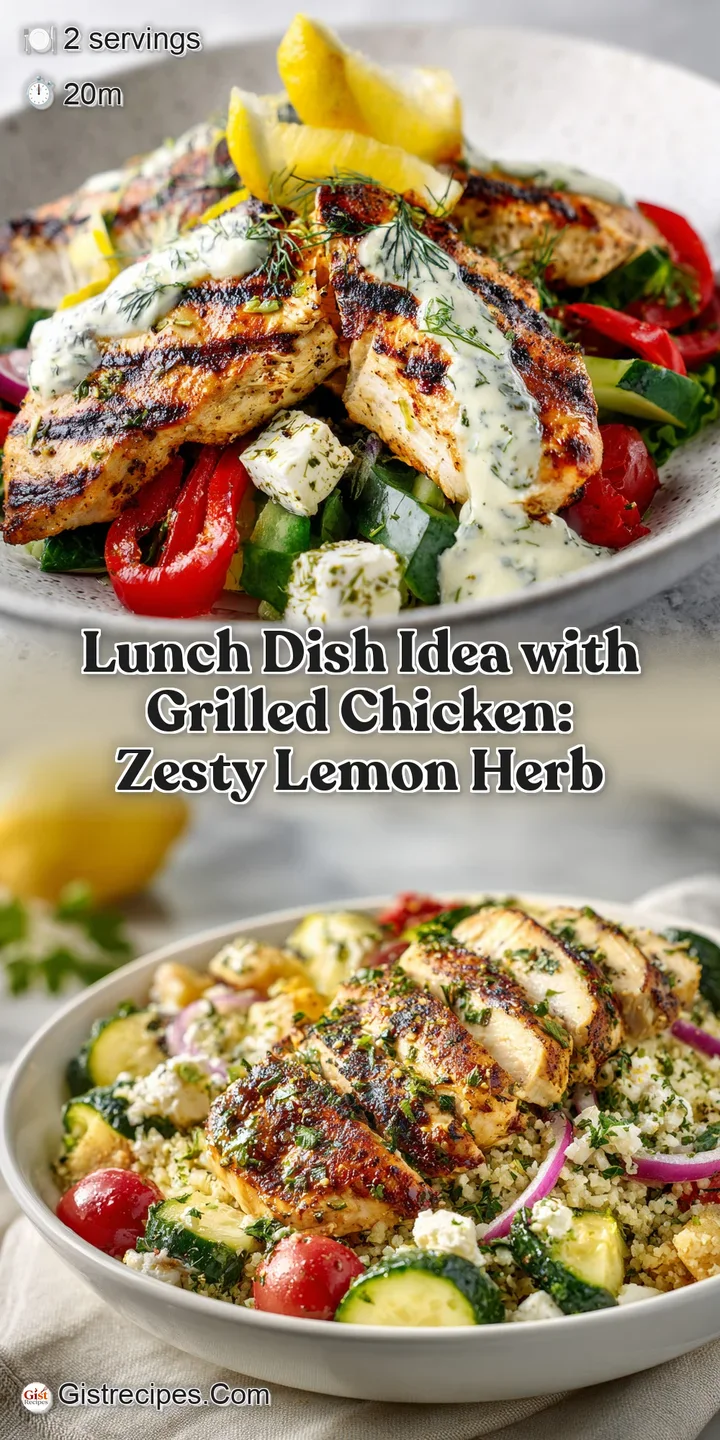
Lunch Dish Idea with Grilled Chicken: Mediterranean Sear
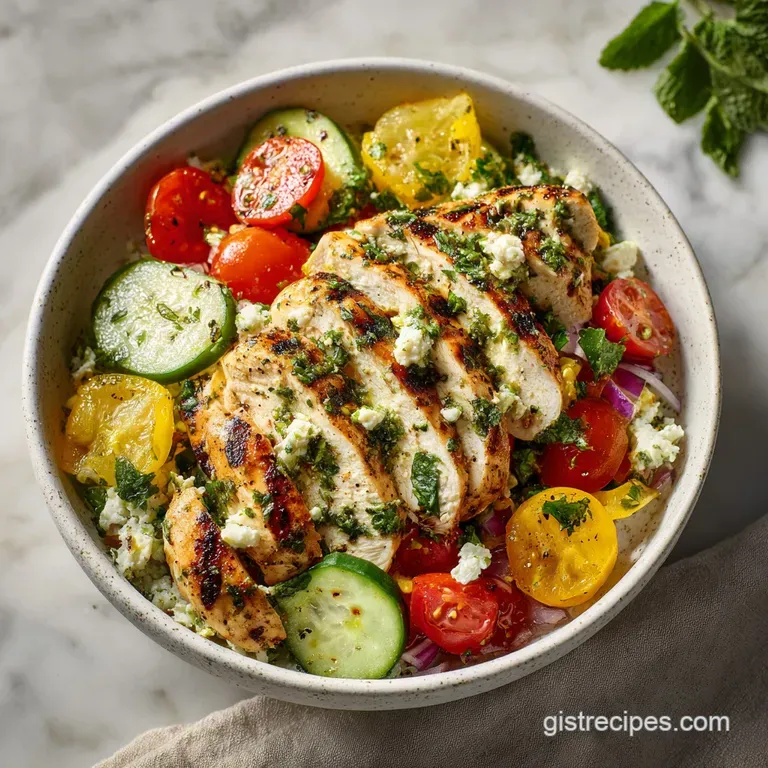
- Time: Active 10 minutes, Passive 10 minutes, Total 20 minutes
- Flavor/Texture Hook: Zesty lemon herb chicken with a creamy crunchy finish
- Perfect for: High protein meal prep or a quick, energized work from-home lunch
- Why This Recipe Simply Wins
- Essential Specs and Quick Stats
- Gathering the Flavor Components
- Tools for Grill Master Results
- Cooking the Perfect Power Bowl
- Avoiding Common Kitchen Disasters
- Customizing Your Midday Meal
- Storage and Smart Reheating
- Best Serving and Pairing Ideas
- Searing Truths and Kitchen Myths
- High in Sodium
- Recipe FAQs
- 📝 Recipe Card
Why This Recipe Simply Wins
- Maillard Reaction: High heat transforms surface amino acids into complex savory compounds, creating a golden crust.
- Emulsified Moisture: The Greek yogurt acts as a barrier, preventing the lemon juice from wilting the spinach instantly.
- Starch Hydration: Cooked quinoa provides a sturdy, nutty base that absorbs chicken juices without turning into mush.
- Acid Fat Equilibrium: The 1 tbsp fresh lemon juice cuts through the 2 oz feta cheese, keeping the dish light yet satisfying.
| Thickness | Internal Temp | Rest Time | Visual Cue |
|---|---|---|---|
| 1/2 inch cutlet | 165°F (74°C) | 5 minutes | Juices run clear, no pink |
| 3/4 inch breast | 165°F (74°C) | 7 minutes | Firm to the touch |
| 1 inch breast | 165°F (74°C) | 10 minutes | Opaque center throughout |
Getting the chicken thickness right is the biggest hurdle for most home cooks. I used to just throw whole breasts in the pan and wonder why the outside was leather while the inside was raw. Slicing them into 1/2 inch cutlets is the "secret" to that 10 minute cook time. Similar to the prep for my Sunday Dinner Idea recipe, consistency in size equals consistency in flavor.
Essential Specs and Quick Stats
The Alchemy of the Sear
| Component | Science Role | Pro Secret |
|---|---|---|
| Chicken Breast | Protein Structure | Pat dry with paper towels to ensure browning rather than steaming. |
| Dried Oregano | Volatile Oil Release | Rub the herbs between your palms to "wake up" the aromatic oils before seasoning. |
| Quinoa | Structural Base | Use a 2:1 water to grain ratio for maximum fluffiness and nutrient retention. |
Gathering the Flavor Components
- 10 oz chicken breast, sliced into 1/2 inch cutlets Why this? Thin cuts cook rapidly without drying out the muscle fibers.
- 1 tbsp extra virgin olive oil Why this? Provides a high-quality fat medium for heat transfer and flavor.
- 1 tbsp fresh lemon juice Why this? Brightens the protein and tenderizes the meat via mild denaturing.
- 1 tsp dried oregano Why this? Adds a punchy, earthy Mediterranean profile that stands up to the grill.
- 1/2 tsp sea salt Why this? Enhances every other flavor and assists in surface moisture extraction.
- 1/4 tsp cracked black pepper Why this? Adds a subtle, woody heat to contrast the citrus.
- 1 cup cooked quinoa Why this? A complex carb that stays "al dente" better than white rice.
- 2 cups baby spinach Why this? Provides a nutrient dense, soft leaf base for the hot ingredients.
- 1/2 cup cucumber, diced Why this? High water content adds a cooling, refreshing snap.
- 1/4 cup red onion, thinly sliced Why this? Adds a sharp, sulfuric bite to balance the creamy yogurt.
- 2 oz feta cheese, crumbled Why this? Provides a salty, briny fat layer that melts slightly.
- 2 tbsp plain Greek yogurt Why this? Creates a healthy, tangy "sauce" without heavy mayonnaise.
- 1 tbsp fresh parsley, chopped Why this? A grassy finish that cleanses the palate between bites.
- 1 tsp toasted pine nuts Why this? Adds a buttery, shatter-crisp texture to the final bowl.
Fresh vs Shortcut Comparison
| Element | Fresh Option | Shortcut | Trade off |
|---|---|---|---|
| Lemon | Squeezed fresh | Bottled juice | Bottled lacks the bright, essential citrus oils. |
| Grains | Homemade quinoa | Pre cooked pouch | Pouches are convenient but can be overly salted or gummy. |
| Herbs | Freshly dried | Pre mixed "Italian" | Pre mixes often contain fillers and lose punch over time. |
Tools for Grill Master Results
You don't need a thousand dollar setup, but a heavy bottomed pan is non negotiable. I use a cast iron skillet (like a Lodge) because it holds heat like a beast, which is exactly what you need for that sizzle.
If you’re using a thin non stick pan, you’ll likely end up with grey, sad looking meat.
A digital meat thermometer is your best friend here. If you want to stop guessing and start eating, pull that chicken at 160°F carryover cooking will bring it to the safe 165°F while it rests. Also, grab a pair of stainless steel tongs.
Using a fork to flip chicken is a mistake I made for way too long; you’re just poking holes and letting all the moisture escape!
Cooking the Perfect Power Bowl
- Prep the cutlets. Pat your 10 oz chicken breast completely dry with paper towels. Note: Surface moisture is the enemy of a golden crust.
- Season the meat. Toss the chicken with 1/2 tbsp olive oil, 1 tsp oregano, 1/2 tsp salt, and 1/4 tsp pepper in a small bowl.
- Heat the skillet. Place your pan over medium high heat for 3 full minutes. Add the remaining 1/2 tbsp olive oil until it shimmers and wisps of smoke appear.
- Sear the chicken. Lay the cutlets in the pan. Cook for 4 minutes until the edges are opaque and the bottom is golden brown.
- Flip and finish. Turn the chicken over. Cook for another 3-4 minutes until the internal temperature hits 165°F.
- Rest the protein. Move the chicken to a cutting board. Squeeze 1/2 tbsp lemon juice over it and let it rest for 5 minutes.
- Toast the nuts. In a small, dry pan, toss 1 tsp pine nuts over medium heat until they smell buttery and turn pale gold.
- Build the base. Place 2 cups baby spinach and 1 cup cooked quinoa in a large bowl.
- Mix the dressing. Whisk the remaining 1/2 tbsp lemon juice into 2 tbsp Greek yogurt with a pinch of salt.
- Assemble everything. Top the grains with diced cucumber, red onion, 2 oz feta, and the sliced chicken. Drizzle with the yogurt sauce and top with parsley and pine nuts.
Avoiding Common Kitchen Disasters
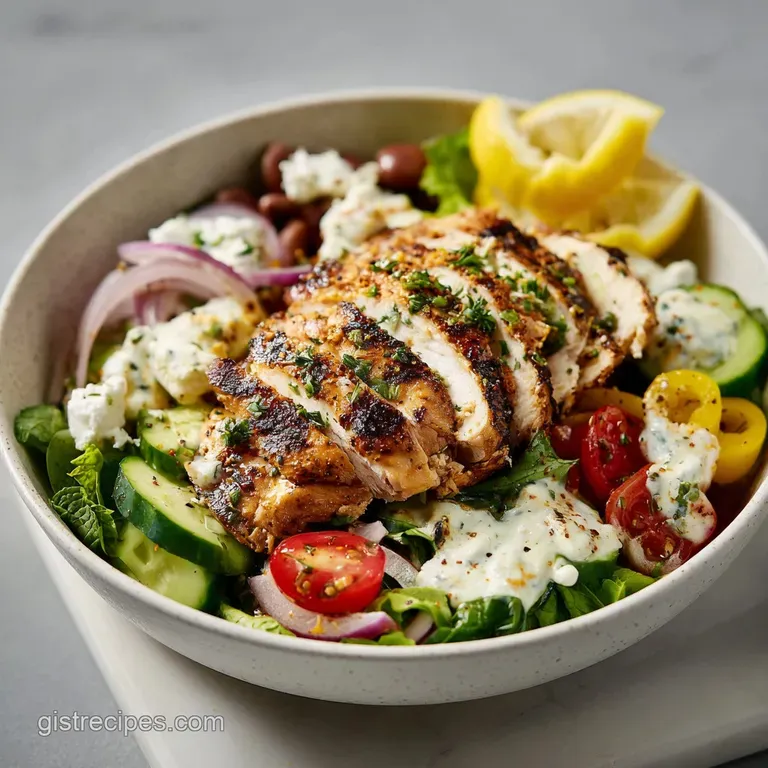
The Rubbery Chicken Syndrome
If your chicken feels like a bouncy ball, you probably overcooked it or didn't let it rest. When heat hits protein, the fibers tighten up and squeeze out juice. If you cut it immediately, that juice ends up on the board instead of in your mouth.
Give it five minutes; the fibers will relax and reabsorb those liquids, resulting in a velvety bite.
The Swampy Spinach Problem
Putting piping hot chicken and quinoa directly onto raw spinach causes the cell walls of the leaves to collapse instantly. This turns your "fresh" lunch into a limp, watery mess. I always place the quinoa on one side and the chicken on top of the grains, using the quinoa as a heat buffer to protect the greens.
| Problem | Root Cause | Solution |
|---|---|---|
| Meat sticks to pan | Pan wasn't hot enough | Wait for the oil to shimmer before adding the chicken. |
| Bland quinoa | Cooked in plain water | Use chicken bone broth or salt the water heavily. |
| Soggy greens | Dressing added too early | Keep the yogurt sauce on the side if meal prepping. |
Common Mistakes Checklist
- ✓ Skipping the paper towel dry (steam is the enemy of flavor).
- ✓ Crowding the pan (this drops the temp and prevents the Maillard reaction).
- ✓ Using "light" Greek yogurt (it lacks the fat needed to emulsify the sauce).
- ✓ Forgetting to toast the pine nuts (it takes 2 minutes and 10x the flavor).
- ✓ Cutting the chicken against the grain (makes the meat feel tough).
Customizing Your Midday Meal
- Swapping the Grains: If quinoa isn't your thing, farro or brown rice works beautifully. Farro adds a chewy, nutty texture that I actually prefer when I'm extra hungry.
- Boosting the Heat: Add a teaspoon of red pepper flakes to the chicken rub or a dollop of harissa to the yogurt sauce for a North African twist.
- Vegetarian Shift: Swap the chicken for 1/2 cup of roasted chickpeas or grilled halloumi. Just be sure to season them with the same oregano and lemon to keep the vibe consistent.
If you are looking for a bolder flavor profile with a bit more zing, you might enjoy the techniques used in my BBQ Chicken Salad recipe. The layering principles remain the same keep the crunch separate from the wet ingredients until the very last second.
Decision Shortcut
- If you want a Low Carb version, swap the 1 cup quinoa for extra spinach or cauliflower rice.
- If you want a Meal Prep version, keep the yogurt sauce in a separate 2 oz container to prevent wilting.
- If you want a Creamier finish, mash half of the 2 oz feta into the yogurt before drizzling.
Storage and Smart Reheating
Fridge Storage: Keep the chicken and quinoa in an airtight container for up to 3 days. Store the spinach, cucumber, and onion in a separate container or bag to keep them crisp. Honestly, don't even bother mixing them until you're ready to eat.
Zero Waste Tip: Don't throw away those lemon rinds! I toss them into a jar of white vinegar for two weeks to make a natural, citrus scented kitchen cleaner. Also, if you have leftover cucumber and red onion, quick pickle them in a little apple cider vinegar and sugar for a snack later.
Reheating: To keep the chicken from getting that "leftover" taste, reheat it separately at a lower power (50%) in the microwave for 1 minute. Or, better yet, eat it cold! The lemon and oregano flavors actually deepen after a night in the fridge, making it a stellar cold protein option.
Best Serving and Pairing Ideas
This bowl is a powerhouse on its own, but if I'm having friends over for a casual lunch, I'll serve it with toasted pita bread and a side of hummus. The pita is great for scooping up the last bits of feta and yogurt sauce at the bottom of the bowl.
For a drink, keep it simple. A sparkling water with a heavy squeeze of lime or a cold hibiscus tea complements the Mediterranean flavors without overcomplicating things. If you're feeling fancy, a few kalamata olives on top add a deep, fermented saltiness that rounds out the whole experience.
Searing Truths and Kitchen Myths
One big myth I hear constantly is that you need to marinate chicken for hours to get flavor. In reality, with thin cutlets, a "dry" marinate of oil and spices right before they hit the pan is often more effective for getting that crispy exterior.
Long acidic marinades can actually turn the surface of the chicken "mushy" as the lemon juice breaks down the proteins too much.
Another classic mistake is the idea that searing "seals in the juices." Science says no moisture loss is purely a function of temperature. The reason we sear is for the Maillard reaction, which creates hundreds of new flavor compounds.
The "juiciness" comes from not overcooking the meat past 165°F and letting it rest so the internal pressure stabilizes. Trust the thermometer, not the myth.
High in Sodium
840 mg mg of sodium per serving (37% % of daily value)
The American Heart Association recommends limiting sodium intake to about 2,300mg per day for overall cardiovascular health.
Sodium Reduction Tips for This Recipe
-
Reduce Feta Cheese-15%
Feta cheese is a significant source of sodium. Reduce the amount of feta by half or substitute with a lower sodium cheese like fresh mozzarella (packed in water) for a reduction in sodium.
-
Limit Sea Salt-25%
Eliminate or drastically reduce the added sea salt. Taste the dish before adding any salt and consider using a salt substitute.
-
Boost Flavor with Herbs
Enhance the flavor of your dish with fresh herbs like basil, dill, or mint, and spices like garlic powder or onion powder. These sodium free additions will elevate the taste without increasing sodium content.
-
Choose Fresh Chicken-5%
Ensure you are using fresh, unprocessed chicken breast. Pre-seasoned or injected chicken can contain added sodium.
-
Rinse Quinoa-5%
Rinse the cooked quinoa thoroughly before adding it to the salad, especially if using pre-cooked or canned quinoa, to remove excess sodium.
-
DIY Dressing-10%
Control the sodium content by making your own dressing from scratch. Use olive oil, lemon juice, fresh herbs, and a pinch of pepper. Avoid store-bought dressings, which are often high in sodium.
Recipe FAQs
What is the crucial step to ensure the grilled chicken develops a proper crust instead of steaming?
Pat the chicken cutlets completely dry with paper towels before seasoning. Surface moisture evaporates before the pan temperature can facilitate the Maillard reaction, resulting in a dull, grey exterior rather than a flavorful sear.
Is it true that resting chicken after grilling is optional if the internal temperature hits 165°F?
No, resting is absolutely mandatory for juiciness. While 165°F ensures safety, the muscle fibers remain tense; resting allows the internal pressure to equalize and reabsorb expelled moisture.
How do I prevent the spinach base from wilting instantly when assembling the bowl?
Place the cooked quinoa between the hot components and the spinach. The grains act as a thermal buffer, absorbing residual heat and protecting the delicate greens from immediate collapse.
How to achieve a creamy yet light sauce without relying on heavy mayonnaise?
Whisk the fresh lemon juice directly into the plain Greek yogurt. The acid stabilizes the yogurt structure, creating a tangy, emulsified drizzle perfect for cutting through the salty feta cheese.
What happens if I skip toasting the pine nuts?
You miss out on significant nutty flavor and crucial texture contrast. Toasting releases the volatile oils, transforming them from a raw, dense seed into a buttery, shatter crisp garnish.
Can I use pre-cooked quinoa from a pouch instead of cooking it fresh?
Yes, using pre-cooked quinoa is a major time saver for lunch prep. If you master the skill of controlling grain hydration here, you can apply that ratio knowledge to make perfect rice for dishes like our Baked Chicken Tacos recipe.
What internal temperature should the chicken reach when pulled off the heat source?
Pull the chicken at 160°F (71°C) if the cutlet is 1/2 inch thick. Carryover cooking during the required 5-minute rest period will safely raise the temperature to the target 165°F (74°C).
Grilled Chicken Lunch Dish Idea
Ingredients:
Instructions:
Nutrition Facts:
| Calories | 492 kcal |
|---|---|
| Protein | 48g |
| Fat | 21g |
| Carbs | 28g |
| Fiber | 5g |
| Sugar | 3g |
| Sodium | 840mg |
