Ground Beef and Chopped Cabbage: Savory and Tender

- Time: Active 10 minutes, Passive 15 minutes, Total 25 minutes
- Flavor/Texture Hook: Smoky, savory beef paired with crisp tender, charred cabbage edges
- Perfect for: Busy weeknights where you need a comforting, family style meal without the fuss
- Savoring This Hearty One Pan Ground Beef and Chopped Cabbage
- Why This Simple Skillet Meal Works Every Time
- The Building Blocks of Flavor and Texture
- The Essential Equipment for a Perfect Sear
- How to Make This Simple Skillet Dinner
- How to Fix Common Problems for Best Results
- Creative Twists and Swaps for Variety
- How to Scale This Recipe for Any Crowd
- Kitchen Myths About Beef and Cabbage
- How to Store and Keep Leftovers Fresh
- Perfect Complements to Round Out Your Meal
- Recipe FAQs
- 📝 Recipe Card
Savoring This Hearty One Pan Ground Beef and Chopped Cabbage
There is a specific moment in my kitchen that always signals a good evening is ahead. It is the exact second when the cold, lean beef hits a shimmering, hot skillet and that first cloud of savory steam rises.
It is not just the sound of the sizzle, it is the smell that follows, a grounding, heavy aroma that reminds me of Sunday dinners at my grandmother’s house. She used to make a similar version of this, though she took hours to braise everything.
I remember the way the kitchen windows would fog up and the air felt thick with the scent of browning meat and sweet, softening onions.
When I first started making my own version of ground beef and chopped cabbage, I tried to rush it. I would dump everything in the pan at once, and instead of that beautiful mahogany crust, I ended up with a grey, watery mess.
I realized that even the simplest family classics require a little bit of respect for the ingredients. Now, when the sharp, tangy scent of apple cider vinegar hits the hot pan to lift up those toasted beef bits, I know I have done it right.
It is a dish that feels like a big hug, filling the house with a comforting, peppery fragrance that brings everyone to the table before I even have a chance to call them.
This recipe is designed for those nights when you want something that tastes like it took all afternoon but only requires 25 minutes of your time. We are focusing on getting the textures just right, avoiding the common pitfall of "mushy cabbage" while ensuring the beef stays juicy and flavorful.
You can expect a meal that is balanced, slightly smoky from the paprika, and incredibly satisfying. Let's look at why this specific method works so well for our favorite skillet dinner.
Why This Simple Skillet Meal Works Every Time
- Surface Area Optimization: By chopping the cabbage into 1 inch squares, we create more edges that can come into contact with the hot pan, leading to better charring and flavor.
- Sequential Browning: Searing the beef undisturbed for 3 minutes allows for the development of complex flavors through browning, which wouldn't happen if we stirred it constantly.
- Acidic Deglazing: The apple cider vinegar isn't just for flavor; it physically releases the toasted proteins stuck to the pan, incorporating them back into the sauce.
- Residual Heat Wilting: Adding the cabbage after the beef ensures it cooks in the rendered fats and stays bright green rather than turning into a soggy, overcooked heap.
Below is a comparison to help you decide how you want to approach your dinner tonight. While we are making the "Efficient Skillet" version, it’s helpful to see how it stacks up against the old school ways of doing things.
| Cooking Method | Total Time | Final Texture | Flavor Profile |
|---|---|---|---|
| Efficient Skillet | 25 minutes | Crisp tender cabbage, juicy beef | Bright, smoky, and savory |
| Classic Braise | 1 hour 30 mins | Melt in-your mouth soft | Deep, sweet, and integrated |
| Slow Cooker | 6 hours | Uniformly tender and moist | Mellow and very mild |
When you are looking for that perfect balance of speed and taste, the skillet is almost always the winner for me. It keeps the cabbage vibrant and the beef has a much better "bite" to it.
The Building Blocks of Flavor and Texture
To understand why this ground beef and chopped cabbage recipe stands out, we have to look at the individual roles each ingredient plays. This isn't just a list of items; it’s a team where everyone has a job.
We are using lean ground beef to keep things from getting too greasy, while the avocado oil provides a high smoke point that allows us to get that essential sear.
| Ingredient | Science Role | Pro Secret |
|---|---|---|
| 85/15 Ground Beef | Fat to lean ratio | Cold beef sears better than room temp meat in a hot pan |
| Green Cabbage | Structural integrity | Core the cabbage deeply to avoid bitter, woody chunks |
| Apple Cider Vinegar | pH balancer | Add it at the end to "brighten" the heavy fats of the beef |
| Soy Sauce | Umami provider | Use low sodium to control the seasoning without losing depth |
Selecting your cabbage is just as important as the beef. Look for a head that feels heavy for its size and has tightly packed leaves. If the outer leaves are wilted or loose, the cabbage might be older and will release more water in the pan, which we want to avoid.
For the beef, I always suggest an 85/15 blend. If you go too lean (90/10), the dish can feel dry because cabbage needs a little fat to soften beautifully. If you go too fatty (80/20), you’ll end up with a pool of oil that masks the delicate sweetness of the greens.
The Essential Equipment for a Perfect Sear
You don't need a kitchen full of gadgets, but the right pan makes a world of difference here. I strongly recommend a 12 inch heavy bottomed skillet. A cast iron skillet is my personal favorite because it holds heat like a champion, ensuring the pan temperature doesn't drop the moment you add the cold meat.
If you use a thin, cheap pan, the beef will likely steam instead of sear, and you'll miss out on that mahogany crust we're looking for.
A sturdy metal spatula is also your best friend here. You want something with a thin edge that can get right under the beef to flip it without tearing the crust off. It’s also useful for scraping the bottom of the pan during the deglazing step.
Aside from the pan and spatula, a sharp chef's knife is non negotiable for getting those cabbage squares uniform. Consistency in your cuts means consistency in your cooking.
How to Make This Simple Skillet Dinner
- Place your 12 inch heavy bottomed skillet over medium high heat and add 1 tbsp avocado oil. Wait until the oil is shimmering and just starting to show a faint wisp of smoke.
- Add the 1 lb ground beef to the pan in a single, flat layer. Note: Resist the urge to move it! Let it sit undisturbed for 3 minutes until a deep brown crust forms.
- Break the beef into large, bite sized chunks using your spatula. Add the diced yellow onion and stir occasionally for 4 minutes until onions are translucent and fragrant.
- Push the beef and onion mixture to the outer edges of the skillet, creating a clear space in the center.
- Dump the 700g of chopped cabbage into that center space. Let it sit for 2 minutes to catch the heat before stirring.
- Toss the cabbage with the beef mixture. Cook for about 5 minutes until the cabbage edges show slight charring while the centers remain a vibrant, bright green.
- Create a small well in the center again. Add the 4 cloves of minced garlic, 1 tsp smoked paprika, and 0.5 tsp red pepper flakes. Cook for 60 seconds until the air smells intensely of toasted garlic and spice.
- Pour in the 1 tbsp apple cider vinegar and 2 tbsp soy sauce. Immediately use your spatula to scrape up all the brown bits from the bottom of the pan.
- Season with 0.5 tsp salt and 0.25 tsp cracked black pepper. Toss everything together for 2 minutes until the liquids have reduced into a glossy glaze that coats every piece of cabbage.
- Remove from heat and garnish with the sliced green onions. Serve immediately while the steam is still rising.
Chef's Tip: If you find your cabbage is taking too long to soften but the beef is getting too dark, add exactly one tablespoon of water to the center of the pan and cover it with a lid for just 60 seconds. The trapped steam will finish the cabbage without drying out the meat.
How to Fix Common Problems for Best Results
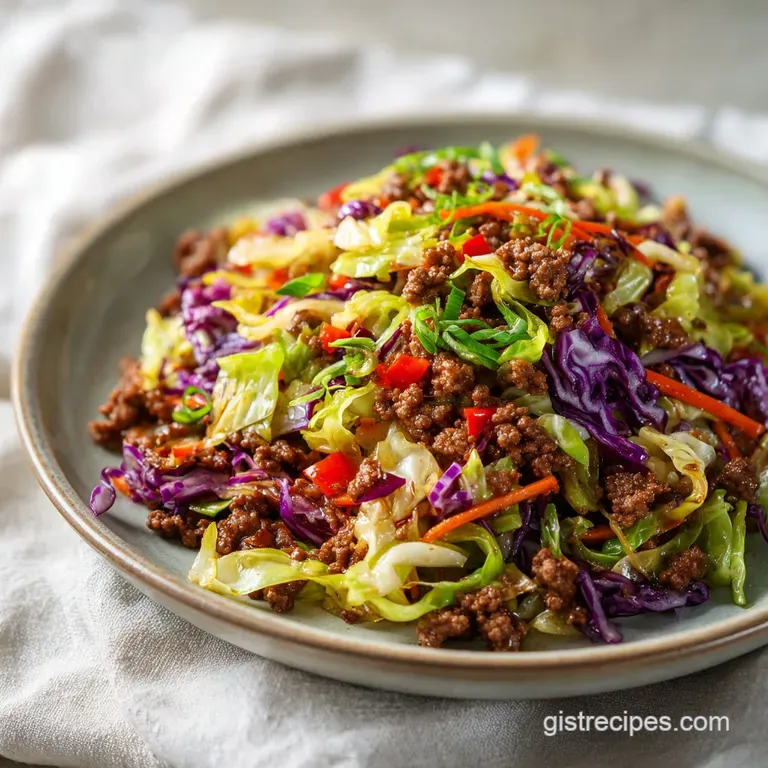
Even with a simple dish like ground beef and chopped cabbage, things can go sideways. The most common issue I see is a pan full of liquid. This usually happens if the heat wasn't high enough or if the cabbage was washed and not dried properly before hitting the oil.
Why Your Cabbage is Soggier Than Expected
If your cabbage looks limp and grey rather than charred and bright, it’s likely due to overcrowding. If you try to double this recipe in a small pan, the moisture released by the vegetables has nowhere to go but up, effectively steaming everything.
Always use the largest skillet you have, or work in two batches if you are scaling up.
Why the Beef Lacks Flavor
If the meat tastes "flat," you probably skipped the 3 minute undisturbed sear. That crust is where all the savory, complex notes live. Another culprit could be under seasoning. Beef and cabbage are both relatively neutral, so they need that hit of salt, soy sauce, and vinegar to really wake them up.
| Problem | Root Cause | Solution |
|---|---|---|
| Excess liquid in pan | Heat too low or pan overcrowded | Increase heat to high and stir less to let water evaporate |
| Burnt garlic | Added too early in the process | Always add garlic in the last 3-4 minutes of cooking |
| Tough cabbage | Pieces cut too large or undercooked | Cut into 1 inch squares and use the lid steam trick |
Common Mistakes Checklist
- ✓ Pat the cabbage completely dry after washing (prevents steaming).
- ✓ Ensure the skillet is actually shimmering before adding the beef.
- ✓ Don't break the beef into tiny crumbles; keep them chunky for better texture.
- ✓ Use a heavy bottomed pan to prevent hot spots and burning.
- ✓ Let the cabbage "sit" for a minute before stirring to get those charred edges.
Creative Twists and Swaps for Variety
While the classic version is hard to beat, sometimes you want to change things up based on what’s in your pantry. If you are looking for a different flavor profile, you might enjoy trying this technique with different proteins. For instance, if you love a bit of heat and creaminess, you might want to look at how a Philly Cheesesteak Casserole handles ground beef and vegetables for a different weeknight vibe.
If you want to keep the cabbage but change the meat, ground pork or even ground turkey works surprisingly well. Just keep in mind that turkey is much leaner and will likely need an extra tablespoon of oil to keep the cabbage from sticking.
| Original Ingredient | Substitute | Why It Works |
|---|---|---|
| Lean Ground Beef | Ground Pork (1 lb) | Higher fat content makes the cabbage very silky and sweet |
| Apple Cider Vinegar | Rice Vinegar (1 tbsp) | Provides a milder, slightly sweeter acidity for an Asian inspired twist |
| Smoked Paprika | Cumin (1 tsp) | Shifts the flavor toward a more earthy, Southwestern profile |
If you're looking for a Simple Ground Beef and Cabbage Stir Fry style, you can swap the smoked paprika for ginger and a drizzle of toasted sesame oil at the very end. This small change completely transforms the dish from a rustic comfort meal into something that feels like your favorite takeout.
How to Scale This Recipe for Any Crowd
When you're cooking for one or two, scaling down is easy. Just use a smaller 10 inch skillet. Since you're using less cabbage, it will actually cook faster, so keep a close eye on it. I recommend still using the full 1 lb of beef if you want leftovers, as this dish reheats remarkably well for lunch the next day.
If you are scaling up for a big family gathering, do not try to put 2 lbs of beef and 1.4kg of cabbage in one skillet. It simply won't sear. Instead, cook the beef and onions in two separate batches, remove them to a bowl, and then cook all the cabbage together.
Once the cabbage is charred, add all the beef back in to finish with the spices and liquids. This ensures everyone gets those crispy edges.
| Servings | Beef Quantity | Cabbage Amount | Pan Size |
|---|---|---|---|
| 2 People | 0.5 lb | 350g (half head) | 10 inch Skillet |
| 4 People | 1 lb | 700g (one head) | 12 inch Skillet |
| 8 People | 2 lbs | 1.4kg (two heads) | Two 12 inch Skillets |
Cooking for a crowd? Remember that salt and spices shouldn't always be doubled exactly. Start with 1.5x the amount of red pepper flakes and paprika, then taste and adjust. You can always add more heat, but you can't take it away!
Kitchen Myths About Beef and Cabbage
One of the biggest myths I hear is that you need to "boil" or "blanch" cabbage before putting it in a stir fry to make it tender. This is a big mistake! Boiling removes the natural sugars and leaves you with a sulfurous smell.
Sautéing raw cabbage from start to finish allows it to caramelize, which is where all the sweetness comes from.
Another common misconception is that ground beef needs to be "browned" until it is completely dry and grey. Searing is about creating a crust on the outside while keeping the inside juicy. If you cook it until every drop of moisture is gone, the final dish will be gritty.
Trust the process of letting it sit undisturbed; it’s the key to professional level flavor at home.
Finally,, some people think you have to use "slaw mix" to save time. While you can, the texture is often too thin. Pre shredded cabbage is usually cut for cold salads and will turn into mush the moment it hits the heat.
Taking the 5 minutes to chop a whole head into those 1 inch squares is the single best thing you can do for the texture of this meal.
How to Store and Keep Leftovers Fresh
This is one of those rare dishes that actually tastes better the next day. The cabbage continues to absorb the soy sauce and beef juices, becoming even more flavorful. You can store leftovers in an airtight container in the fridge for up to 4 days.
When reheating, I recommend using a skillet over medium heat with a tiny splash of water to keep it from drying out. Avoid the microwave if you can, as it tends to make the cabbage a bit rubbery.
As for zero waste, don't throw away those cabbage hearts or the green onion ends! The cabbage core can be thinly sliced and added to soups or even pickled. The green onion bottoms (the white parts with the little roots) can be placed in a small jar of water on your windowsill.
Within a week, they will start growing new green shoots that you can use for your next garnish. It’s a tiny way to keep the kitchen cycle going and save a few cents on your grocery bill.
Perfect Complements to Round Out Your Meal
While this is a complete meal on its own, I love serving it over a bed of fluffy jasmine rice or even some buttery mashed potatoes. The rice is excellent at soaking up the glaze made from the soy sauce and vinegar. If you are looking for a side dish that adds a bit of color and a different kind of sweetness, these Roasted Carrots are a fantastic addition to the table. Their caramelized edges mirror the char on the cabbage perfectly.
For a lighter option, a simple cucumber salad with a bit of sesame oil and rice vinegar provides a cool, crunchy contrast to the warm, smoky beef. If you find the dish a bit too heavy, a squeeze of fresh lime juice right before serving can cut through the fat and make the whole thing feel much brighter.
Regardless of how you serve it, this ground beef and chopped cabbage is sure to become a regular in your rotation it’s honest, comforting food that never fails to satisfy.
Recipe FAQs
How to achieve the perfect mahogany crust on ground beef?
Heat your skillet until the avocado oil is shimmering and let the beef sit undisturbed for 3 minutes. This patience allows the meat to develop a deep, savory sear rather than steaming in its own juices.
Is it true I can cook the cabbage and beef at the same time to save effort?
No, this is a common misconception. Adding everything at once creates excess moisture that prevents the beef from browning, so always sear the meat first, then push it to the edges to make room for the cabbage.
How to ensure the cabbage stays crisp tender instead of mushy?
Use high heat to char the edges while keeping the centers bright green. If you enjoyed this high heat technique for texture control, you can apply similar principles to our pan-seared beef and cabbage recipe.
What is the purpose of adding apple cider vinegar at the end?
Deglaze the pan with the vinegar to lift the flavorful brown bits, or fond, from the bottom of the skillet. This acidic addition balances the richness of the beef and creates a savory glaze that coats all the ingredients.
How to store leftovers properly?
Cool the mixture completely before transferring to an airtight container. It will stay fresh in the refrigerator for up to three days, maintaining its flavor well upon reheating.
How to keep the garlic from burning?
Add the minced garlic only after the cabbage has begun to wilt. Cooking it for just 60 seconds with the paprika and red pepper flakes ensures maximum fragrance without the bitter taste of scorched garlic.
How to tell when the dish is fully cooked?
Look for the cabbage edges to show slight charring and the liquid to reduce into a glaze. This usually takes about 25 minutes total, ensuring the beef is fully browned and the cabbage is tender yet retains a slight bite.
Ground Beef And Chopped Cabbage
Ingredients:
Instructions:
Nutrition Facts:
| Calories | 306 kcal |
|---|---|
| Protein | 23.4 g |
| Fat | 16.2 g |
| Carbs | 13.8 g |
| Fiber | 4.6 g |
| Sugar | 6.2 g |
| Sodium | 485 mg |
