Hearty Grain and Bean Bowl of Salad
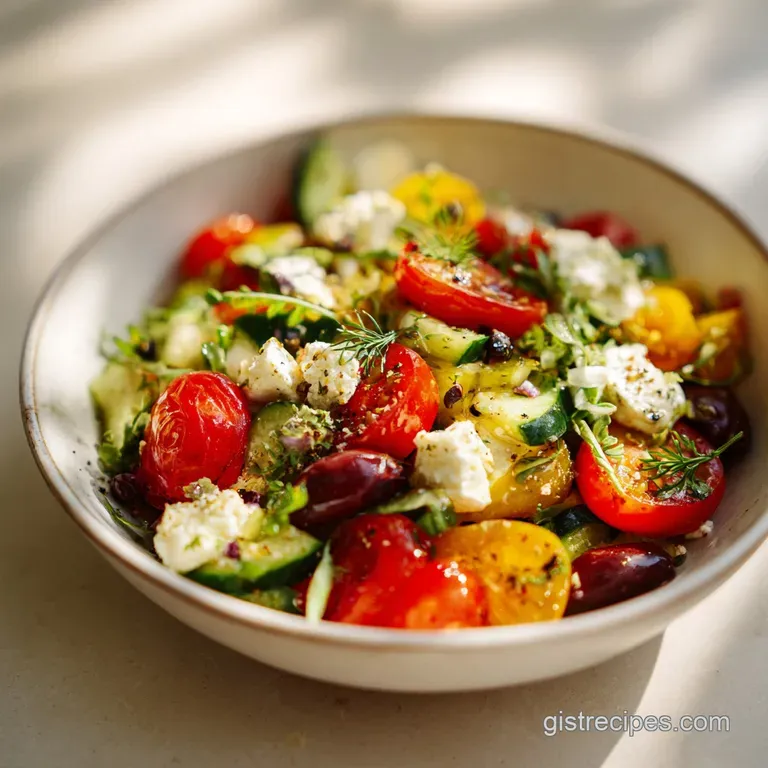
- Time: Active 20 minutes, Passive 10 minutes, Total 30 minutes
- Flavor/Texture Hook: Hearty and chewy with a zesty, creamy finish
- Perfect for: Sunday family lunches or a nourishing work week meal prep
- Crafting the Ultimate Harmonious Mediterranean Bowl of Salad
- Why This Works
- Timing and Texture Goals for Your Perfect Bowl
- The Science Behind Every Component in Your Salad
- Essential Kitchen Tools for a Flawless Chopped Result
- Ingredients & Substitutes
- Step by Step Guide to a Vibrant Bowl of Salad
- How to Fix Common Texture and Flavor Issues
- Adjusting for Different Family Sizes
- Debunking Kitchen Folklore
- Storage and Zero Waste
- Perfect Pairings for a Complete Family Meal
- Recipe FAQs
- 📝 Recipe Card
Crafting the Ultimate Harmonious Mediterranean Bowl of Salad
There is something deeply nostalgic about the smell of grains toasting in a heavy bottomed pan. It takes me back to my aunt’s kitchen, where the air was always thick with the scent of earthy legumes and fresh herbs.
The first time I tried to make a proper bowl of salad, I made the classic mistake of boiling the couscous in plain water without any seasoning. It was bland, mushy, and frankly, quite sad.
I quickly learned that the secret to a bowl that people actually want to eat lies in layering flavors from the very bottom up.
The magic happens when you let the chickpeas sizzle in just a touch of oil and smoked paprika until they start to pop and smell like a cozy campfire. When you pour that golden vegetable broth over the toasted pearl couscous, the aroma is simply intoxicating.
It’s a scent that promises a meal that is both hearty and refreshing. I’ve refined this method over years of family gatherings, making sure that every cucumber cube and every shred of kale serves a purpose in the final bite.
This isn't just a pile of vegetables; it’s a carefully constructed landscape of textures. You get the slight resistance of the Israeli couscous, the velvety smoothness of the tahini, and the crisp "shatter" of a fresh cucumber.
We’re moving away from those trendy, thin salads and going back to basics with ingredients that sustain you. Let's get into how we make this work in a busy kitchen without losing that homemade soul.
Why This Works
The Science of the Satiety
Maillard Reaction: Toasting the dry couscous and chickpeas before adding liquid creates complex flavor compounds that raw boiling simply cannot achieve. This adds a nutty depth that transforms simple grains into a hearty foundation.
Hygroscopic Balance: The kale is massaged with lemon juice and salt to break down its tough cellulose fibers. This process makes the leaves tender and allows them to hold onto the dressing without becoming soggy.
Emulsification Stability: Grating the garlic into a paste releases allicin, which works with the tahini to create a stable, velvety emulsion. This ensures the dressing coats every grain evenly rather than sliding to the bottom.
Comparing Cooking Methods for Your Grains
| Method | Time | Texture | Best For |
|---|---|---|---|
| Stovetop Simmer | 10 minutes | Tender & Plump | Quick weeknight meals with soft grains |
| Toasted Stovetop | 12 minutes | Nutty & Individual | Grains that stay separate in a bowl of salad |
| oven-roasted | 20 minutes | Firm & Chewy | Deeply caramelized flavors and meal prep |
Choosing the right method depends on how much time you have, but I always lean toward toasting on the stove. It gives you that specific aroma of grandma's kitchen while keeping the grains from clumping together. If you're looking for something with a different flavor profile, you might enjoy the smoky notes in this Southern Black Eyed recipe.
Timing and Texture Goals for Your Perfect Bowl
Optimizing Surface Area for Flavor
When we talk about a "chopped" style, we aren't just being fancy. By dicing the English cucumber into 1/2 inch cubes and finely mincing the red onion, we increase the surface area that can be coated by our lemon tahini dressing. This ensures that every forkful has a balanced ratio of fat, acid, and salt.
Balancing pH and Lipids
The tahini provides a rich, fatty base that can feel heavy if not balanced properly. By using 3 tbsp of fresh lemon juice, we introduce high acidity that cuts through the fat, brightening the entire bowl of salad. This chemical interaction is what prevents the dish from feeling oily on the palate.
Creating Structural Satiety
We use 4 cups (120g) of curly kale because its rigid structure holds up against the weight of the cooked grains and chickpeas. Unlike spinach, which would wilt into a slippery mess under the heat of freshly cooked couscous, kale maintains its integrity, providing a much needed crunch.
The Science Behind Every Component in Your Salad
| Ingredient | Science Role | Pro Secret |
|---|---|---|
| Pearl Couscous | Starch Foundation | Toast until it smells like popcorn for maximum flavor. |
| Chickpeas | Protein & Fiber | Dry them thoroughly before sautéing to get a "shatter" exterior. |
| Tahini | Emulsifier | Use room temperature tahini to prevent the dressing from seizing. |
| Lemon Juice | Acidic Tenderizer | Use to "cook" the kale fibers for a softer, velvety mouthfeel. |
The key here is understanding that each ingredient has a job. The chickpeas aren't just there for protein; when sautéed with smoked paprika, they act as little flavor bombs. The couscous isn't just a filler; it’s a vehicle for the broth it absorbs.
Essential Kitchen Tools for a Flawless Chopped Result
For the foundation of our bowl of salad, you really only need a few reliable items. I always reach for my heavy stainless steel skillet for the chickpeas. A non stick pan is fine, but you won't get that same browning that a traditional pan offers.
You will also need a sharp chef's knife for the "precision chop." If your knife is dull, you'll end up crushing the cherry tomatoes instead of quartering them, which leads to a watery bowl.
A microplane is a lifesaver here for grating the garlic into a paste it ensures nobody gets a giant chunk of raw garlic in their bite.
Chef's Note: If your tahini has separated in the jar, use a small whisk or a fork to stir it vigorously before measuring. The oil at the top is essential for that creamy texture we're after.
Ingredients & Substitutes
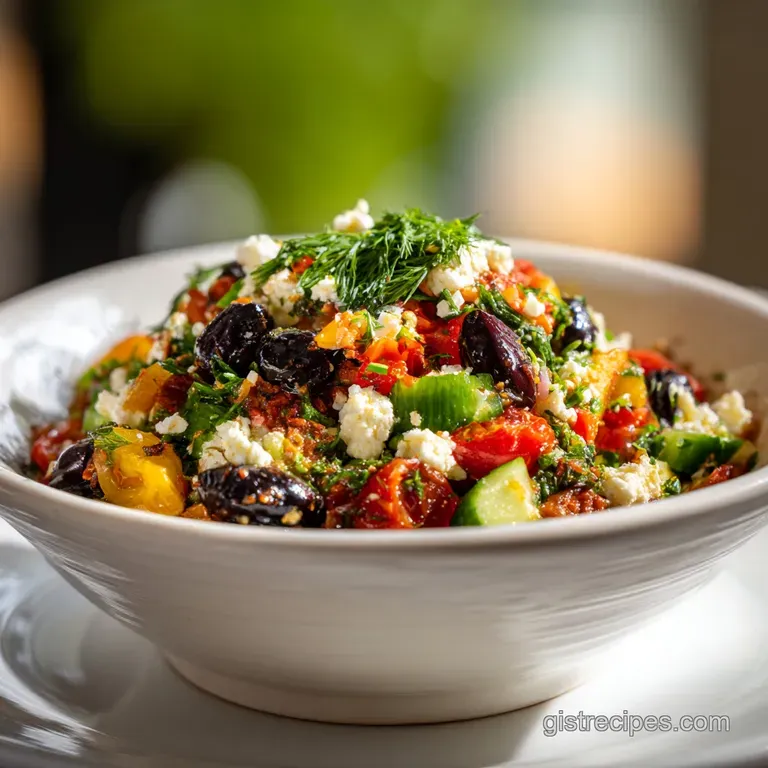
- 1 cup (175g) Pearl (Israeli) Couscous, dry: Why this? Provides a chewy, pasta like texture that absorbs broth beautifully. (Substitute: Quinoa for a gluten-free option)
- 1.25 cups (300ml) Vegetable broth: Why this? Seasons the grains from the inside out during the cooking process. (Substitute: Chicken bone broth for extra richness)
- 1 can (425g) Chickpeas, drained and rinsed: Why this? Adds plant based protein and a satisfying, nutty bite. (Substitute: Cooked lentils)
- 1 tsp (5ml) Extra virgin olive oil: Why this? Helps the spices adhere to the chickpeas during the sauté. (Substitute: Avocado oil)
- 0.5 tsp Smoked paprika: Why this? Gives a subtle wood fired aroma without actual heat. (Substitute: Cumin)
- 4 cups (120g) Curly kale, stems removed: Why this? Sturdy green that won't wilt under the warm grains. (Substitute: Shaved Brussels sprouts)
- 2 cups (300g) English cucumber, diced: Why this? High water content for a refreshing crunch. (Substitute: Persian cucumbers)
- 1 cup (150g) Cherry tomatoes, quartered: Why this? Provides bursts of sweetness and acidity. (Substitute: Sun dried tomatoes)
- 0.5 cup (60g) Red onion, finely minced: Why this? Adds a sharp, savory bite to balance the sweet tomatoes. (Substitute: Shallots)
- 0.5 cup (15g) Fresh parsley, chopped: Why this? Brings a clean, grassy finish to the bowl. (Substitute: Cilantro)
- 0.25 cup (10g) Fresh mint, chopped: Why this? Adds a cooling element that highlights the lemon. (Substitute: Fresh dill)
- 3 tbsp (45ml) Fresh lemon juice: Why this? Essential acid to emulsify the tahini and soften the kale. (Substitute: Apple cider vinegar)
- 2 tbsp (30ml) Tahini: Why this? Creates a creamy, nutty sauce without dairy. (Substitute: Almond butter)
- 0.25 cup (60ml) Premium extra virgin olive oil: Why this? The base of the dressing; use high-quality for best flavor. (Substitute: Grapeseed oil)
- 1 clove Garlic, grated into a paste: Why this? Provides a background pungency that deepens the dressing. (Substitute: 0.5 tsp garlic powder)
- 0.5 tsp Sea salt & 0.25 tsp Cracked black pepper: Why this? Fundamental seasoning to enhance all other flavors.
step-by-step Guide to a Vibrant Bowl of Salad
1. Mastering the Grain Base
In a medium saucepan, add the dry 1 cup (175g) of pearl couscous over medium heat. Toast for 3 minutes, stirring frequently, until it smells like toasted almonds and turns golden brown. Pour in the 1.25 cups (300ml) of vegetable broth and bring to a simmer.
Cover, reduce heat to low, and cook for 8-10 minutes. Note: Toasting prevents the grains from becoming a gummy mass.
2. Preparing the Protein Bean Salad Element
While the grains cook, pat the 1 can (425g) of chickpeas completely dry with a paper towel. Heat 1 tsp (5ml) of olive oil in a skillet and add the chickpeas with 0.5 tsp smoked paprika. Sauté for 5-7 minutes until the skins become slightly crisp and they begin to sizzle.
3. Executing the Precision Chop
Shred the 4 cups (120g) of kale into very fine ribbons. Place them in your large serving bowl with a pinch of salt and a drizzle of lemon juice. Massage the leaves with your hands for 2 minutes until they turn dark green and feel silky.
This is a great time to prep the 2 cups (300g) of cucumber and 1 cup (150g) of cherry tomatoes.
4. Emulsifying the Dressing
In a small jar or bowl, combine the 3 tbsp (45ml) lemon juice, 2 tbsp (30ml) tahini, 0.25 cup (60ml) olive oil, and the grated garlic. Whisk vigorously until the dressing is thick, creamy, and velvety. If it seems too thick, add 1 tsp of warm water to loosen it. For a different vibe, you could try using a Taco Salad Dressing recipe instead.
5. Assembling the Masterpiece
Add the cooked couscous and sautéed chickpeas to the bowl with the massaged kale. Toss in the cucumber, tomatoes, red onion, parsley, and mint. Pour the dressing over the top and fold gently until every component is glistening and evenly distributed.
How to Fix Common Texture and Flavor Issues
Why Your Bowl of Salad Is Soggy
If your salad ends up swimming in liquid at the bottom of the bowl, it's usually because the vegetables weren't prepped correctly. Cherry tomatoes can leak juice if they are too ripe, and cucumbers have a high water content.
To fix this, always quarter your tomatoes and consider seeding the cucumber if you're making this ahead of time.
Why Your Grains Are Clumpy
Gummy couscous is the result of excess starch. If you skip the toasting step, the starch on the outside of the grain hydrates instantly, causing them to stick together. If they are already clumped, try fluffing them with a fork while adding a tiny bit of olive oil to help separate the pearls.
| Problem | Root Cause | Solution |
|---|---|---|
| Bitter Kale | Not massaged enough | Add a bit more lemon juice and massage for another minute. |
| Bland Grains | Cooked in plain water | Always use a seasoned vegetable broth or add salt to the water. |
| Broken Dressing | Oil added too fast | Whisk in a teaspoon of warm water to bring the emulsion back. |
Common Mistakes Checklist
- ✓ Skip drying the chickpeas? They won't get that "shatter" crunch; always pat them dry.
- ✓ Using "old" tahini? It can be bitter; taste it first to ensure it's still fresh.
- ✓ Overcooking the couscous? Check it 2 minutes early; you want an al dente bite.
- ✓ Forgetting to massage the kale? It will stay tough and hard to chew; don't skip the manual labor.
- ✓ Using bottled lemon juice? The flavor is flat; fresh juice is mandatory for that aromatic zing.
Adjusting for Different Family Sizes
Reducing the Recipe
If you only need two servings, cut all ingredients in half. For the chickpeas, I still recommend using the whole can because leftovers are wonderful on their own. When cooking half a cup of couscous, use a smaller pot to ensure the broth doesn't evaporate too quickly.
Reduce the cooking time by about 2 minutes.
Doubling for a Crowd
To serve 8 people, double everything exactly. However, when sautéing the chickpeas, do it in two batches. Overcrowding the pan will cause them to steam rather than crisp up. For the dressing, you only need to increase the garlic to 1.5 cloves, as raw garlic can quickly become overpowering.
Budget Alternatives for a Hearty Meal
| Premium | Budget | Flavor Impact | Savings |
|---|---|---|---|
| Pearl Couscous | Orzo Pasta | Very similar texture; slightly less nutty | Save $2-3 |
| English Cucumber | Standard Cucumber | Slightly thicker skin/more seeds | Save $1.50 |
| Fresh Parsley/Mint | Dried Herbs | Less vibrant; use 1/3 the amount | Save $4.00 |
Debunking Kitchen Folklore
One of the biggest myths is that you have to cook kale to make it digestible. In reality, the mechanical action of massaging the kale with acid (lemon juice) and salt performs a type of "pre digestion" by breaking down the tough cell walls. This allows you to enjoy the raw nutrients without the jaw straining texture.
Another common misconception is that all couscous is the same. Traditional couscous is tiny and granular, while Israeli (pearl) couscous is toasted and much larger. They are not interchangeable in this bowl of salad. If you use the tiny kind, it will disappear into the dressing and lose that comforting, chewy structure we're looking for. For a different texture entirely, you might try a Caesar Pasta Salad recipe which uses larger pasta shapes.
Storage and Zero Waste
Storage Guidelines
This bowl of salad actually tastes better the next day as the flavors meld together. Store it in an airtight container in the fridge for up to 3 days. Because of the sturdy kale, it won't wilt as quickly as a lettuce based salad.
I don't recommend freezing this dish, as the cucumbers and tomatoes will become mushy upon thawing.
Zero Waste Tips
Don't throw away those kale stems! Finely dice them and sauté them with your next batch of morning eggs. If you have leftover chickpeas that didn't make it into the bowl, they make a fantastic snack on their own. The lemon rinds can be tossed into a jar of white vinegar for a natural kitchen cleaner.
Always use your vegetable scraps to make the broth for the next time you cook grains.
Perfect Pairings for a Complete Family Meal
To make this a full family feast, I love serving this bowl alongside some warm pita bread and a side of hummus. The creamy tahini in the salad reflects the flavors in the hummus beautifully. If you want a bit of extra protein, grilled chicken skewers seasoned with oregano and lemon pair perfectly.
For those who enjoy a bit of a "Jen Aniston" twist, you could add some crumbled feta cheese and toasted walnuts to the final assembly. The salty cheese and crunchy nuts provide another layer of complexity that feels very indulgent. If you're looking for something with a bit more of a kick, a BBQ Chicken Salad recipe is another great way to fill up the table.
Finally, remember that the best bowl of salad is the one that makes you feel good. Don't be afraid to swap out the parsley for dill if that’s what’s growing in your garden. Cooking should be about connection and comfort, just like those long afternoons spent in grandma's kitchen.
Enjoy the process, breathe in the aromas, and eat well!
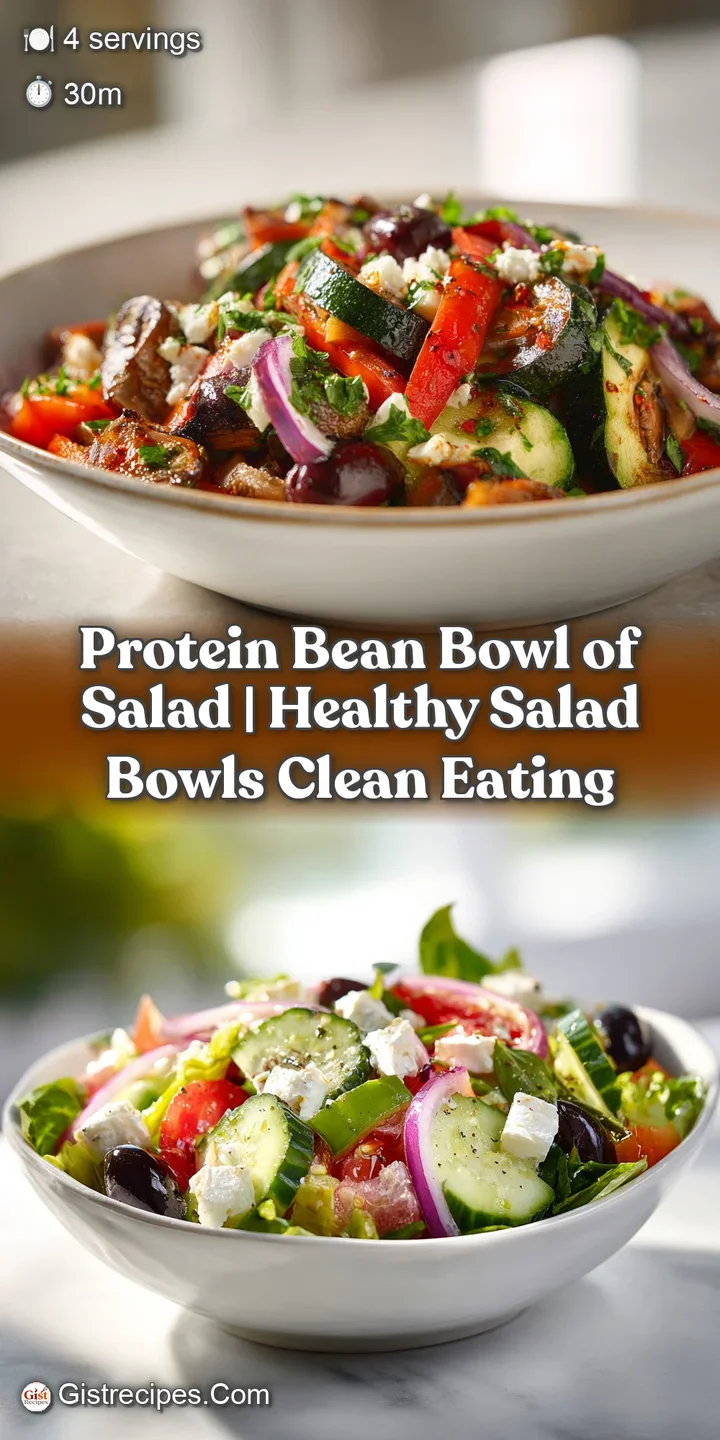
Recipe FAQs
How many calories are in 1 bowl of salad?
It varies widely, but typically ranges from 350 to 600 calories. This depends heavily on the ratio of high fat ingredients like tahini dressing, nuts, and oils versus the bulk vegetables. Our recipe leans toward the higher end due to the hearty pearl couscous and tahini base.
What is the meaning of bowl of salad?
It generally refers to a complete, substantial meal served in a single bowl. This concept prioritizes textural layers grains, protein, vegetables, and dressing over leafy greens alone, making it a filling main course rather than a simple side dish.
How healthy is a bowl of salad?
Yes, this specific bowl of salad is generally very healthy. It offers high fiber from the grains and chickpeas, plus vitamins from the kale, creating a nutrient dense meal. Mastering the balance of fats, like in the dressing preparation, is key to keeping the health profile optimal.
Will I lose weight if I eat salads for 30 days?
Not necessarily, weight loss depends on overall caloric deficit. While replacing less healthy meals with salads helps, excessive dressing or large portions of calorie dense grains can negate your deficit. Consistency in portion control, even with healthy ingredients, is what drives results.
How to ensure the kale in my bowl is tender and not tough?
Massage the shredded kale vigorously with salt and lemon juice for two minutes. This mechanical action breaks down the tough cellulose fibers, tenderizing the leaves so they become silky before adding the other ingredients.
Is it true I must use pearl couscous for this dish?
No, this is a common misconception, but substitution requires technique adjustment. While pearl couscous provides a specific chewy texture, you could substitute it with quinoa or orzo, though you will need to adjust liquid ratios and cooking times significantly for those alternatives.
How should I adjust the tahini dressing so it doesn't separate?
Whisk the tahini and lemon juice together first until a thick paste forms, then slowly stream in the olive oil. This technique creates a stable emulsion, preventing the fat and water based liquids from splitting apart.
Hearty Grain Bowl Of Salad
Ingredients:
Instructions:
Nutrition Facts:
| Calories | 486 calories |
|---|---|
| Protein | 14.2 g |
| Fat | 21.4 g |
| Carbs | 62.8 g |
| Fiber | 8.5 g |
| Sugar | 4.2 g |
| Sodium | 585 mg |
