Honey Butter Sweet Potato Cornbread: Moist and Golden
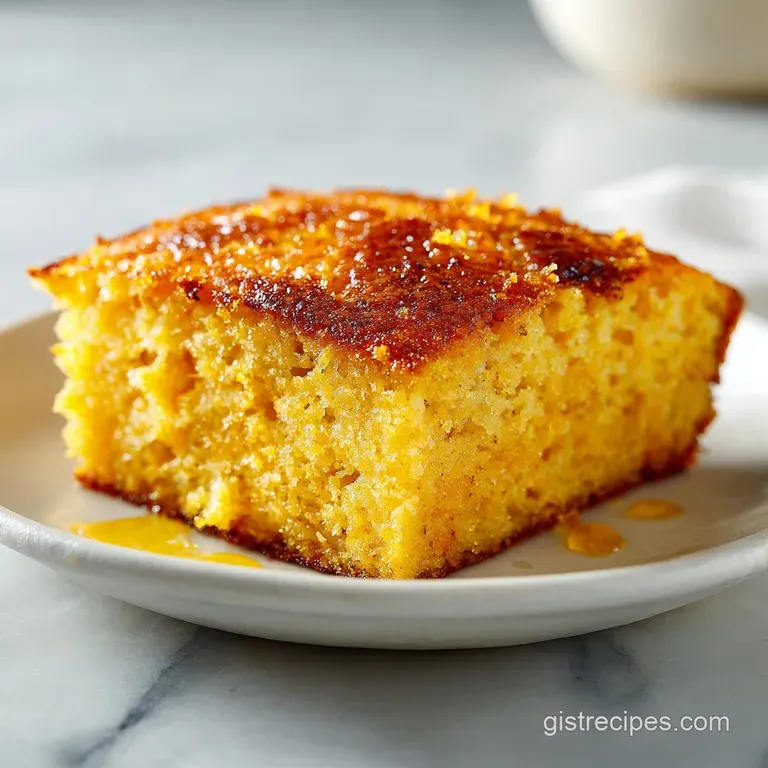
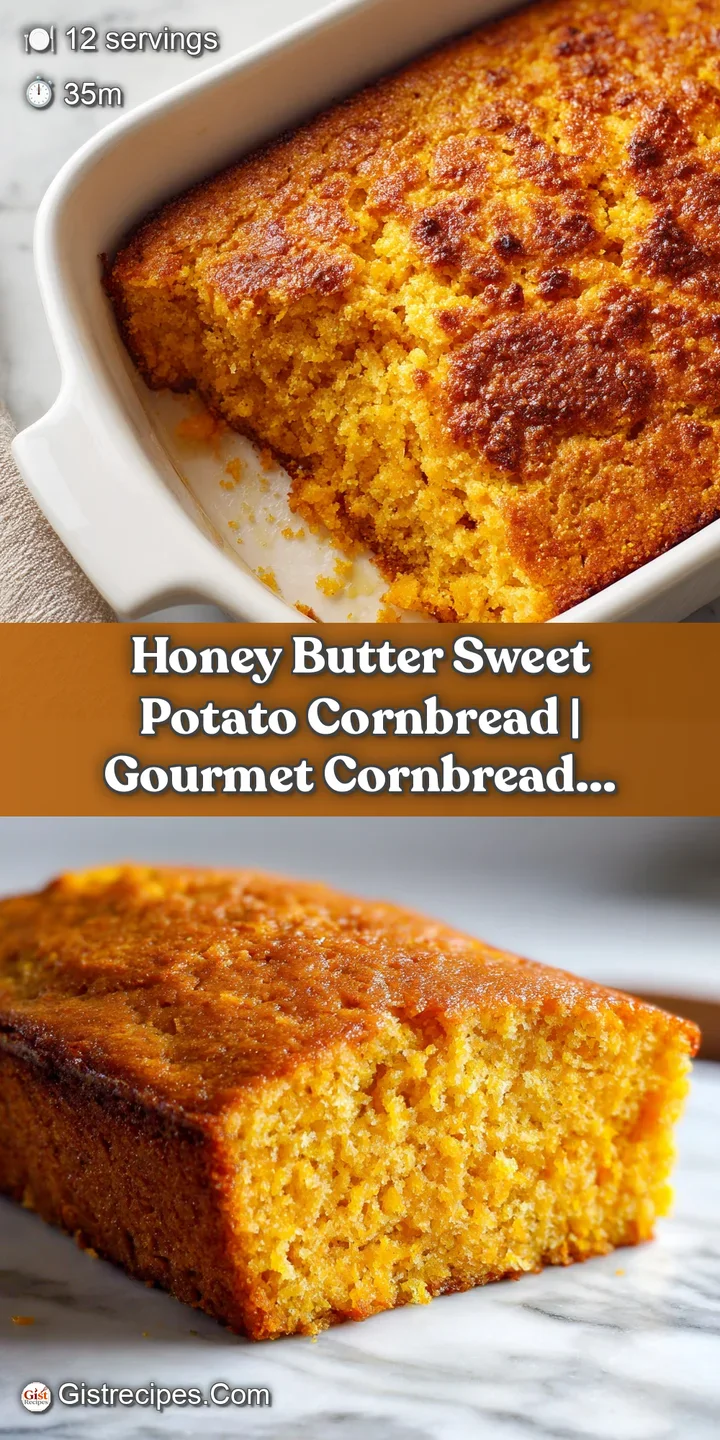
- Time: Active 10 minutes, Passive 25 minutes, Total 35 minutes
- Flavor/Texture Hook: Shatter crisp edges with a velvety, melt in-your mouth center.
- Perfect for: Sunday family dinners, holiday spreads, or cozy weeknight sides.
- Best Honey Butter Sweet Potato Cornbread Recipe
- Why This Works
- Essential Specs for Success
- Selecting Your Quality Ingredients
- Tools for the Perfect Bake
- Step by Step Cooking Guide
- Fixing Common Baking Mistakes
- Easy Ingredient Swap Options
- Best Ways to Serve
- Storing and Reheating Tips
- Myths About Cornbread
- Recipe FAQs
- 📝 Recipe Card
Best Honey Butter Sweet Potato Cornbread Recipe
Cornbread is more than just a side dish in my kitchen, it is a piece of history that sits right in the middle of the table. Growing up, there was always a skillet of something golden and steaming waiting for us, but the first time I saw my grandmother fold bright orange sweet potato puree into her yellow cornmeal, I knew she was onto something special.
This dish is a beautiful nod to Southern resourcefulness, where the natural sugar from the earth meets the gritty, honest texture of the corn mill. It is a recipe that carries the scent of woodsmoke and late autumn afternoons, filling the house with a fragrance that feels like a warm hug before you even take a bite.
When you pull this skillet out of the oven, the first thing you'll notice is that specific, high pitched sizzle of the edges hitting the hot oil. That sound is a promise of the contrast to come: a crust that shatters under your teeth, followed immediately by a crumb so soft it almost feels like cake.
We aren't just making bread here; we're building layers of flavor that start with the earthy base of the potato and end with a molten, honey sweetened finish. It is the kind of dish that makes people stop talking the moment the plate hits the table, and honestly, that’s the highest compliment a home cook can get.
You might be used to the standard box mixes, but once you feel the weight of a real, homemade honey butter sweet potato cornbread in your hand, there is no going back. This version is intentionally heavy on the moisture, avoiding that dry, sawdust texture that gives cornbread a bad name.
We are going for something hearty and substantial, yet refined enough to serve alongside a holiday roast. I’ve spent a lot of time getting the ratios just right so that the cinnamon and nutmeg don't mask the corn, but rather act like a frame for a beautiful, golden picture.
Let's get into why this specific method works so well for the home kitchen.
Why This Works
The magic of this recipe isn't just in the ingredients, but in how they interact under the heat of a heavy skillet. By understanding a few simple principles, you can ensure your bread is never dry or dull again.
- Starch Suspension: The natural starches in the sweet potato puree act as a secondary binder, trapping moisture within the crumb so it stays velvety for days.
- The Thermal Shock: Pouring room temperature batter into a preheated, oiled cast iron skillet creates an immediate sear, forming that signature golden brown crust.
- Acid Interaction: Buttermilk reacts with the baking powder to create tiny carbon dioxide bubbles, ensuring the dense potato puree doesn't result in a heavy or leaden loaf.
- Fat Stratification: Using both vegetable oil for the crust and melted butter for the interior ensures a complex mouthfeel that hits every part of the palate.
If you are trying to decide between starting from scratch or reaching for a box, consider the texture and depth you're after. A shortcut might save a few minutes, but it won't give you the same soul satisfying results.
| Feature | Fresh Sweet Potato Method | Boxed Mix Shortcut |
|---|---|---|
| Texture | Velvety, dense, and moist | Airy, crumbly, and often dry |
| Flavor Profile | Complex earthiness with warm spices | One note sweetness |
| Crust Quality | Heavy, shatter crisp bottom | Thin, soft, and pale |
Essential Specs for Success
Before you start whisking, it’s helpful to know exactly what you’re aiming for. Precision in the kitchen leads to consistency, especially when you’re dealing with the variables of moisture in root vegetables. This isn't about being a scientist; it's about knowing when your bread is at its peak.
I’ve found that the internal temperature of the bread is the most reliable way to tell if the center is set without overcooking the edges. If you have a meat thermometer, use it! We are looking for a specific range that ensures the sweet potato has fully set with the flour and cornmeal.
| Thickness | Internal Temp | Rest Time | Visual Cue |
|---|---|---|---|
| 1.5 inches | 195°F (90°C) | 5 minutes | Edges pull away from skillet |
| 2.0 inches | 200°F (93°C) | 8 minutes | Top is golden with small cracks |
| 1.0 inch (Muffin) | 190°F (88°C) | 3 minutes | Springs back when pressed |
A quick note on the rest time: I know it’s tempting to slice into it the second it leaves the oven, but that carryover heat is actually finishing the structure of the bread. If you cut it too early, the steam escapes, and the crumb can become gummy.
Let it sit, let the honey butter melt into the pores, and you will be rewarded with a much cleaner slice.
Selecting Your Quality Ingredients
The beauty of a southern style sweet potato cornbread lies in the simplicity of the pantry staples. However, because there are so few components, the quality of each one matters immensely.
I always tell my friends to look for a cornmeal that isn't ground too fine; you want a little bit of that rustic grit to remind you what you're eating.
| Component | Science Role | Pro Secret |
|---|---|---|
| Sweet Potato Puree | Provides moisture and humectancy | Roast your potatoes instead of boiling to concentrate the sugars |
| Full fat Buttermilk | Tenderizes gluten and adds tang | Ensure it's room temp to prevent the melted butter from seizing |
| Baking Powder | Provides lift and aeration | Check the expiration date; old powder leads to a flat, heavy brick |
| Cast Iron Skillet | Conducts and retains high heat | Use a 10 inch Lodge for the most even heat distribution |
For the rest of the ingredients, here is exactly what you will need from your pantry. We are aiming for a balance of savory corn and sweet potato cornbread with honey butter to top it all off.
- 1.25 cups yellow cornmeal: Provides the structural base and that classic golden color.
- 1 cup all purpose flour: Helps bind the cornmeal so it doesn't just fall apart.
- 0.5 cup granulated sugar: Just enough to highlight the sweetness of the potato.
- 1 tbsp baking powder: Our primary leavening agent for a light rise.
- 1 tsp kosher salt: Essential for making the other flavors pop.
- 1.5 tsp ground cinnamon: Adds a warm, aromatic layer to the batter.
- 0.5 tsp ground nutmeg: Provides a subtle, nutty undertone.
- 1 cup full fat buttermilk: Why this? The acidity tenderizes the flour’s gluten for a softer, more delicate crumb.
- 1 cup sweet potato puree: Why this? This is the heart of the dish, providing natural sweetness and incredible moisture.
- 2 large eggs: These provide the protein structure needed to hold everything together.
- 1 cup unsalted butter, divided: Half goes into the batter for richness, half into the glaze.
- 2 tbsp vegetable oil: Why this? It has a high smoke point, perfect for searing the bottom crust.
- 0.25 cup raw honey: The base for our decadent whipped topping.
- 1 pinch sea salt: To finish the honey butter and balance the sweetness.
Tools for the Perfect Bake
You don't need a kitchen full of gadgets, but a few specific tools make this process much smoother. The most important is undoubtedly the cast iron skillet. If you don't have one, a heavy cake pan will work, but you won't get that iconic, deep brown crust that makes this homemade sweet potato cornbread so special.
A sturdy whisk and a silicone spatula are your best friends here. You want to be able to incorporate the wet and dry ingredients thoroughly but gently. Overworking the batter is the number one reason people end up with "tough" bread. Think of it like a muffin batter; a few lumps are perfectly fine.
Chef's Tip: Before you start, put your butter in a warm spot or give it a few seconds in the microwave so it's perfectly soft for the whipping stage. Cold butter will never get that pale, cloud like texture we want for the glaze.
step-by-step Cooking Guide
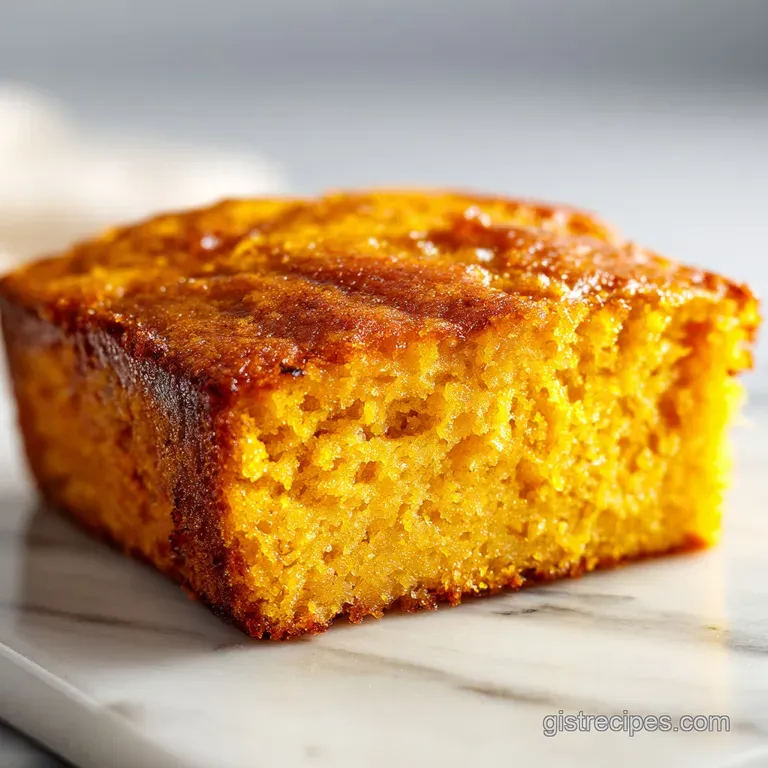
Now, let's get into the actual process. This is where we build those flavor layers I was talking about. Follow these steps closely, especially the part about preheating the skillet it is the difference between a soggy bottom and a legendary crust.
- Preheat your oven to 400°F (200°C). Pour 2 tablespoons of vegetable oil into a 10 inch cast iron skillet and place the skillet in the oven while it heats. Note: This ensures the oil is shimmering hot when the batter hits the pan.
- In a large mixing bowl, whisk together the cornmeal, all purpose flour, granulated sugar, baking powder, salt, 1 teaspoon of ground cinnamon, and nutmeg until no clumps remain.
- In a separate medium bowl, vigorously whisk the sweet potato puree, buttermilk, and eggs. Work it until the mixture is completely smooth and uniform in color.
- Melt 0.5 cup of the unsalted butter in the microwave and slowly drizzle it into the wet mixture while whisking. Note: Adding it slowly prevents the eggs from scrambling if the butter is hot.
- Gently fold the wet ingredients into the dry ingredients using a silicone spatula. Stop as soon as you see no more dry flour streaks. Do not overmix, or the bread will be tough.
- Using a heavy oven mitt, carefully remove the hot skillet from the oven. Pour the batter into the center; it should sizzle loudly and bubble at the edges.
- Return the skillet to the oven and bake for 20-25 minutes. Bake until the top is golden brown and a toothpick inserted in the center comes out clean.
- While the bread bakes, place the remaining 0.5 cup of softened butter, honey, 0.5 teaspoon of cinnamon, and a pinch of sea salt in a bowl. Whip with a hand mixer for 2-3 minutes until pale and airy.
- Remove the cornbread from the oven. Immediately spread a generous layer of the cinnamon honey butter over the surface so it melts into the cracks.
- Let the skillet rest on a wire rack for 5 minutes. This allows the internal structure to set. Slice into 12 wedges and serve while still warm.
Fixing Common Baking Mistakes
Even the best of us have a bad day in the kitchen. If your bread didn't turn out exactly like the pictures, don't sweat it. Usually, it's a small adjustment in temperature or mixing technique that makes all the difference.
My cornbread is too crumbly
If your wedges are falling apart the moment you touch them, you likely have a moisture or binding issue. This often happens if the sweet potato puree was too dry or if you used a cornmeal that was too coarse. It can also happen if the bread was overbaked, causing the internal moisture to evaporate.
Next time, try adding an extra tablespoon of buttermilk or shortening the bake time by two minutes.
The center is gummy
A gummy center is almost always a sign of underbaking or a "cold spot" in your oven. Because sweet potatoes are dense and heavy, the heat takes longer to reach the very middle of the skillet.
If the edges are getting too dark but the middle is still soft, tent the skillet with a piece of aluminum foil and let it bake for an extra 5 minutes.
| Problem | Root Cause | Solution |
|---|---|---|
| Dark bottom, raw top | Skillet was too hot or rack too low | Move oven rack to the middle position next time |
| Flat, no rise | Expired baking powder | Test powder in hot water; it should bubble instantly |
| Bitter aftertaste | Too much baking powder or salt | Double check measurements; use level tablespoons |
Common Mistakes Checklist
- ✓ Always use room temperature eggs and buttermilk to keep the batter emulsified.
- ✓ Never skip the preheating of the cast iron skillet; that's your crust's best friend.
- ✓ Measure your flour by spooning it into the cup rather than scooping, which packs it down.
- ✓ If using canned sweet potato, make sure it is "puree" and not "yams in syrup."
- ✓ Let the bread rest before slicing to allow the starches to gelatinize and set.
Easy Ingredient Swap Options
Life happens, and sometimes you're halfway through a recipe before you realize the buttermilk is gone. Don't panic. There are plenty of ways to adapt this easy honey butter sweet potato cornbread to what you have on hand. If you're looking for a different vibe, you could even try a Mexican Street Corn Casserole for your next gathering.
- If you want a sweeter bite, increase the granulated sugar to 3/4 cup or add a tablespoon of brown sugar to the batter for a molasses like depth.
- If you want a savory twist, fold in 1/2 cup of sharp cheddar cheese and a pinch of cayenne pepper, omitting the cinnamon and nutmeg.
- If you want a dairy-free version, use unsweetened almond milk with a teaspoon of lemon juice as a buttermilk sub, and use a high-quality vegan butter stick.
| Original Ingredient | Substitute | Why It Works |
|---|---|---|
| Full fat Buttermilk | 1 cup milk + 1 tbsp lemon juice | The acid curdles the milk, mimicking buttermilk's tenderizing properties |
| Sweet Potato Puree | Pumpkin Puree | Similar moisture content and texture. Note: Flavor will be more earthy and less sweet |
| Vegetable Oil | Lard or Bacon Grease | Adds an incredible smoky flavor to the bottom crust |
For those who are in a major rush, the jiffy honey butter sweet potato cornbread method is a popular hack. Simply add 1/2 cup of sweet potato puree and a pinch of cinnamon to a box of Jiffy mix, adjusting the liquid as needed.
It won't have the same "grandma's kitchen" depth as this scratch version, but it works in a pinch.
Best Ways to Serve
This bread is a superstar on its own, but it really shines when paired with the right main course. I love serving this alongside a hearty Million Dollar Chicken Bake. The creamy sauce of the chicken plays beautifully against the gritty, sweet texture of the cornbread.
If you are serving this for a holiday meal, consider placing the whole skillet in the center of the table. There is something so communal and comforting about everyone pulling a wedge from the cast iron. It keeps the bread warm for much longer than a ceramic dish would. You can also serve it with:
- Spiced Chili: The sweetness of the potato cuts through the heat of the peppers perfectly.
- Roasted Pork Loin: The cinnamon notes in the bread complement the savory juices of the pork.
- Braised Greens: A classic Southern pairing; use the bread to soak up the "pot likker" from the greens.
If you have any leftover cinnamon honey butter, don't let it go to waste! It’s incredible on morning toast or melted over a stack of pancakes.
Storing and Reheating Tips
One of the best things about moist honey butter cornbread recipe is that it actually stays fresh longer than traditional cornbread. The moisture from the sweet potato keeps the crumb from drying out as quickly.
Storage: Keep any leftovers in an airtight container at room temperature for up to 2 days. If you need it to last longer, pop it in the fridge for up to 5 days. Just keep in mind that refrigeration can sometimes make the crust lose its crunch.
Freezing: This bread freezes beautifully. Wrap individual wedges tightly in plastic wrap and then place them in a freezer bag. They will stay fresh for up to 3 months. To thaw, just leave them on the counter for an hour.
Reheating: To bring back that "just baked" feel, I recommend using the oven or a toaster oven. Put the wedges on a baking sheet at 350°F (180°C) for about 5-8 minutes.
Avoid the microwave if you can, as it tends to make the bread a bit tough and rubbery. If you do use the microwave, wrap the wedge in a damp paper towel and heat for only 15-20 seconds.
Zero Waste: If you have scraps that are starting to get a bit stale, don't throw them away! They make the most incredible base for a sweet potato cornbread stuffing. You can also crumble them up, toast them in a pan with a little butter, and use them as a "dessert crouton" over vanilla ice cream.
Myths About Cornbread
There are a lot of strong opinions about what "real" cornbread should be. Let's clear up a few misconceptions so you can bake with confidence.
"Cornbread should never be sweet." This is a regional debate that has lasted for decades. While Northern versions tend to be sweeter and more cake like, Southern versions are traditionally savory.
However, when you add sweet potato, you are intentionally leaning into a sweeter, dessert adjacent profile that has been a staple in Black Southern culinary traditions for generations.
"You must use a cast iron skillet." While a skillet gives the best crust, you can absolutely bake this in a 9x9-inch baking pan. You might miss out on the extreme sizzle, but the flavor and moist crumb will still be there. Just make sure to grease your pan well with butter or oil before pouring in the batter.
"Fresh sweet potatoes are always better than canned." Honestly, for this specific recipe, a high-quality canned puree (not yams in syrup!) is often more consistent than roasting your own. Canned puree has a controlled moisture content, whereas a fresh potato can vary significantly depending on how long it was roasted.
If you do use fresh, just make sure to mash it until it’s perfectly smooth.
This honey butter glazed sweet potato cornbread is the kind of recipe that becomes a tradition after just one bake. It’s hearty, it’s comforting, and it carries a depth of flavor that is hard to find in modern cooking. I hope it brings as much warmth to your table as it does to mine. Happy baking!
Recipe FAQs
How to ensure the cornbread crust gets crispy?
Place the skillet in the oven while it preheats to 400°F. Heating the 2 tablespoons of vegetable oil inside the pan ensures it is shimmering hot so the batter sizzles immediately upon contact.
Can I use a different type of potato?
No, stick to sweet potato puree for this specific recipe. Substituting other varieties will change the moisture content and structural integrity of the crumb, similar to how you must maintain precise ratios in our no-bake cheesecake to ensure it sets properly.
Is it necessary to let the ingredients reach room temperature?
Yes, use room temperature buttermilk and eggs. This ensures the batter stays emulsified and prevents the butter from seizing when combined with the cold liquid ingredients.
How to achieve the perfect fluffy texture?
Fold the wet ingredients into the dry using a spatula until just combined. Overmixing develops the gluten in the flour, which will turn your tender cornbread dense and rubbery instead of light.
How to store leftovers properly?
Keep leftovers in an airtight container at room temperature for up to 2 days. If you need to store them for up to 5 days, use the refrigerator, though note that the cold environment may soften the crisp outer crust.
Is it possible to freeze the cornbread?
Yes, wrap individual wedges tightly in plastic wrap before freezing. This protects the texture and prevents freezer burn, allowing you to enjoy a quick slice later.
Why is my cornbread falling apart when I slice it?
Wait 5 minutes before slicing after taking it out of the oven. Resting the bread allows the starches to gelatinize and set, which prevents the wedges from crumbling during service.
Honey Butter Sweet Potato Cornbread
Ingredients:
Instructions:
Nutrition Facts:
| Calories | 335 kcal |
|---|---|
| Protein | 4.3 g |
| Fat | 19.6 g |
| Carbs | 36.8 g |
| Fiber | 1.8 g |
| Sugar | 15.4 g |
| Sodium | 329 mg |
