Chicken and Orzo Recipe with Lemon and Garlic
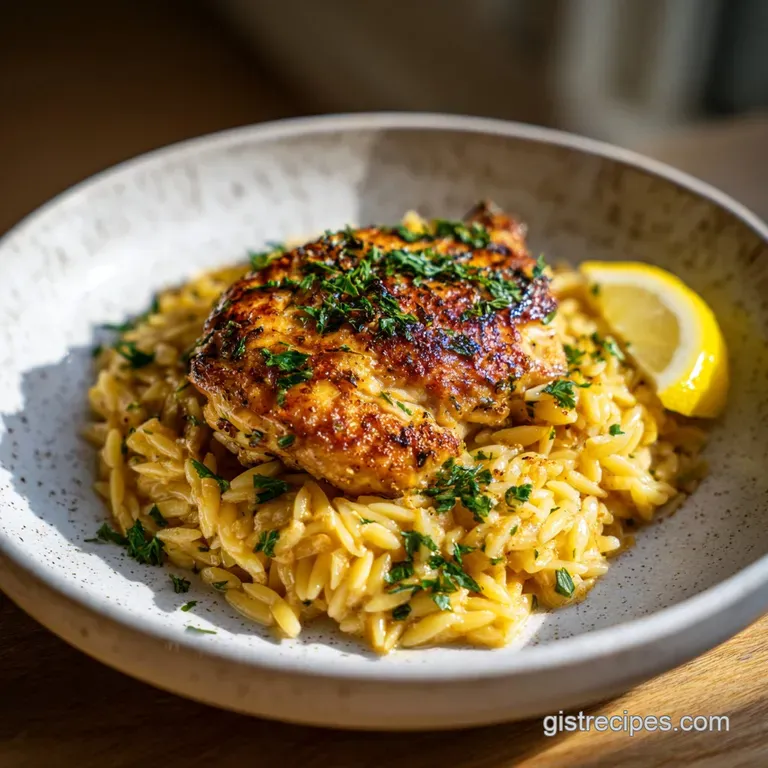
- Comforting One Pot Chicken and Orzo Recipe with Lemon
- The Flavor Science of This Dish
- Cooking Times and Serving Details
- Essential Ingredients for Maximum Flavor
- The Best Tools for the Job
- Easy Steps to a Hearty Meal
- Solving Common Cooking Problems
- Tasty Variations and Creative Swaps
- Scaling for Any Occasion
- Debunking Kitchen Myths
- Keeping Your Leftovers Fresh
- High in Sodium
- Recipe FAQs
- 📝 Recipe Card
Comforting One Pot Chicken and Orzo Recipe with Lemon
The moment the garlic hits the hot oil in the pan, a specific kind of magic happens. That sharp, pungent scent softens into a buttery, mellow fragrance that fills every corner of the kitchen, promising something truly hearty.
On those grey, drizzly afternoons when the house feels a bit chilly, this is the one meal that makes everything feel right again.
I remember making a version of this for my family years ago, thinking it was just a quick weeknight fix. But as we sat around the table, the bright citrus scent of the lemon zest cutting through the rich, velvety orzo, I realized I’d stumbled onto a new family classic.
This flavorful chicken and orzo recipe with lemon and garlic makes a simple yet satisfying meal.
The Flavor Science of This Dish
The secret to this chicken and orzo recipe with lemon lies in the starch. Unlike larger pasta shapes that you boil and drain, cooking orzo directly in the broth allows it to release its starches into the liquid.
- Starch Suspension: Cooking orzo "risotto style" creates a natural, velvety sauce without needing heavy cream.
- Enzymatic Brightness: Adding lemon juice at the very end prevents the acid from turning bitter during a long simmer.
- Maillard Reaction: Searing the chicken first creates a deep, savory foundation that flavors the entire pot.
| Chicken Thickness | Internal Temp | Rest Time | Visual Cue |
|---|---|---|---|
| 1 inch pieces | 165°F | 3 minutes | No pink, juices run clear |
| 0.5 inch pieces | 165°F | 2 minutes | Golden edges, firm touch |
| Whole breast | 165°F | 5 minutes | Opaque center throughout |
We often think that chicken needs to be complex to be good, but it's really about the timing and the temperature. If you find yourself craving another bright, citrusy meal after this, you might enjoy my Creamy Lemon Chicken recipe which uses a similar flavor profile.
Cooking Times and Serving Details
| Component | Science Role | Pro Secret |
|---|---|---|
| Orzo Pasta | Thickening Agent | Toasting the dry pasta first adds a nutty depth. |
| Lemon Juice | Flavor Balancer | Use fresh juice to keep the acidity vibrant and clean. |
| Parmesan Cheese | Umami Binder | Grate it yourself for a silky, lump free melt. |
One mistake I used to make was using bottled lemon juice because it was faster. Trust me on this, the flavor difference is massive bottled juice has a tinny aftertaste that can ruin the delicate balance of the garlic.
Essential Ingredients for Maximum Flavor
- 1.5 lbs chicken breasts: Cut into 1 inch pieces. Why this? Breast meat cooks quickly and stays tender in this liquid base.
- 1.5 cups orzo: Uncooked. Why this? Its small size allows it to absorb the broth's flavor perfectly.
- 3 cups chicken broth: Low sodium. Why this? Gives you control over the final saltiness of the dish.
- 1 large lemon: Zested and juiced. Why this? The zest provides aroma, while the juice provides the "zing."
- 1/2 cup Parmesan cheese: Freshly grated. Why this? Acts as a seasoning and a thickener for the sauce.
- 3 cloves garlic: Minced.
- 1 small shallot: Finely diced.
- 2 cups fresh baby spinach: For a pop of color and iron.
- 2 tbsp extra virgin olive oil: To sear the chicken.
- 2 tbsp unsalted butter: For a rich finish.
- Seasonings: 1 tsp kosher salt, 1/2 tsp black pepper, 1 tsp dried oregano, 2 tbsp fresh parsley.
| Original Ingredient | Substitute | Why It Works |
|---|---|---|
| Chicken Breasts | Chicken Thighs | More fat means they stay juicy longer, though they take slightly more time. |
| Shallot | Yellow Onion | Provides a similar sweetness. Note: Use a smaller amount as onions are stronger. |
| Fresh Spinach | Baby Kale | Holds its structure better. Note: Needs an extra 2 minutes of simmering. |
The Best Tools for the Job
You don't need a kitchen full of gadgets for this one. A heavy bottomed skillet or a cast iron pan is your best friend here. It holds the heat steadily, which is vital for getting that golden sizzle on the chicken without burning the garlic later.
A wooden spoon is also a must for scraping up the browned bits those little morsels are where all the real flavor lives.
If you don't have a microplane for the lemon zest, a small box grater works just fine. Just be careful not to grate into the white pith of the lemon, as that part is incredibly bitter. For another cozy one pan meal that doesn't require much clean up, I often recommend the Angel Chicken Rice recipe.
Easy Steps to a Hearty Meal
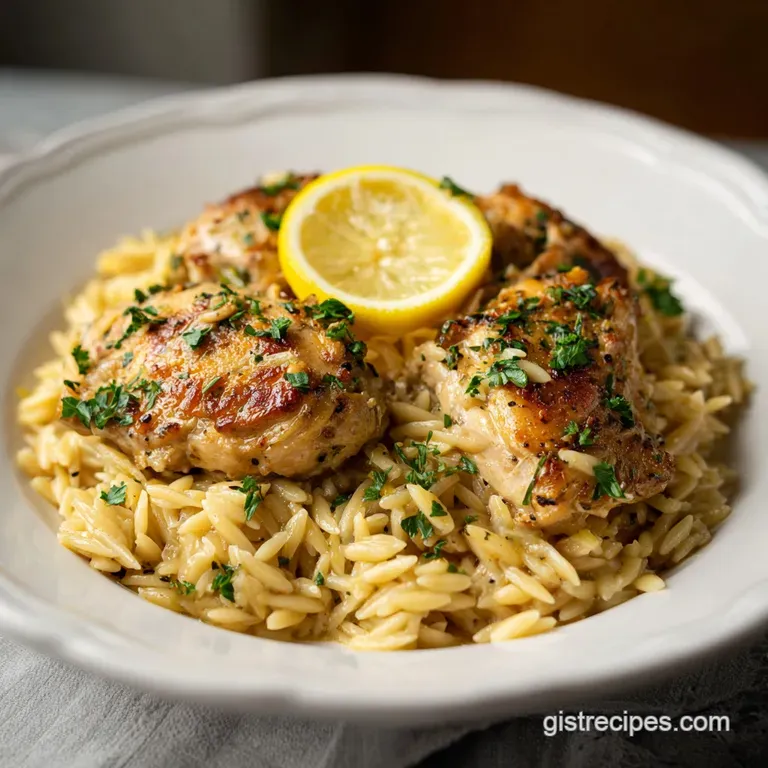
- Season the chicken. Toss your 1 inch chicken pieces with salt, pepper, and oregano in a small bowl until evenly coated.
- Sear the meat. Heat 2 tbsp olive oil in your skillet over medium high heat. Add the chicken and cook for 5 minutes until a golden brown crust forms. Note: Don't move it too much or it won't brown.
- Remove and rest. Take the chicken out of the pan and set it aside on a plate; it doesn't need to be fully cooked yet.
- Sauté aromatics. In the same pan, add the diced shallot and minced garlic. Stir for about 1 minute until you smell the sweet, toasted aroma.
- Toast the orzo. Pour in the 1.5 cups of uncooked orzo and stir it around in the leftover oil and garlic for 2 minutes until the edges look translucent.
- Simmer the pasta. Pour in the 3 cups of chicken broth and bring to a gentle boil. Reduce the heat to low, cover, and simmer for 10 minutes until the liquid is mostly absorbed and the orzo is tender.
- Return the chicken. Stir the chicken and any accumulated juices back into the pan along with the 2 tbsp butter.
- Add the greens. Fold in the 2 cups of fresh baby spinach and stir for 2 minutes until the leaves are wilted and bright green.
- Finish with citrus and cheese. Remove the pan from the heat. Stir in the lemon zest, lemon juice, and 1/2 cup of Parmesan cheese until the sauce becomes velvety.
- Garnish and serve. Sprinkle with fresh parsley and a little extra cracked pepper before bringing the pan straight to the table.
Solving Common Cooking Problems
Mushy or Overcooked Pasta
This usually happens if the orzo simmers for too long or if there is too much liquid left in the pan. Orzo is small and cooks much faster than traditional pasta shapes.
Dry and Rubbery Chicken
If you cook the chicken all the way through during the first step, it will dry out by the time the orzo is finished. The trick is to just get a good sear on the outside and let the residual heat of the simmering broth finish the job later.
Flat or Muted Flavors
If the dish tastes "heavy" but not bright, you likely need more acid. This is almost always solved by an extra squeeze of lemon or a pinch more salt to wake up the Parmesan.
| Problem | Root Cause | Solution |
|---|---|---|
| Sticking to Pan | Heat too high or not enough stirring | Lower the flame and stir every few minutes during the simmer. |
| Thin, Watery Sauce | Too much broth added | Simmer uncovered for 2-3 minutes at the end to reduce the liquid. |
| Bitter Aftertaste | Scorched garlic | Always add garlic after the pan has cooled slightly from searing the chicken. |
Common Mistakes Checklist
- ✓ Dry the chicken with a paper towel before seasoning (ensures a better sear).
- ✓ Don't skip toasting the orzo; it prevents the pasta from becoming a gummy mess.
- ✓ Use low sodium broth so you can control the salt levels yourself.
- ✓ Add the spinach at the very end to keep it from turning slimy and brown.
- ✓ Always remove the pan from the heat before adding the cheese to avoid clumping.
Tasty Variations and Creative Swaps
If you're looking to change the texture, you can swap the orzo for arborio rice to make it more like a traditional risotto. You'll just need to add about 10 more minutes to the cooking time and an extra half cup of broth. It's a bit more work but creates an incredibly silky result.
For a bit of a kick, I sometimes add a pinch of red pepper flakes when sautéing the garlic. It doesn't make it "spicy" per se, but it adds a warmth that feels wonderful on cold nights. If you enjoy those bolder flavors, you'll love the zip in my Honey Mustard Chicken recipe.
| Premium Ingredient | Budget Alternative | Flavor Impact | Savings |
|---|---|---|---|
| Fresh Shallots | Small Yellow Onion | Shallots are milder/sweeter | Save $1.50 |
| Fresh Parsley | Dried Parsley | Fresh is more vibrant | Save $2.00 |
| Aged Parmesan | Canned Shaker Cheese | Fresh melts significantly better | Save $3.00 |
Scaling for Any Occasion
Cutting the recipe in half If you're cooking for two, simply halve all the ingredients. Use a smaller 8 inch skillet to ensure the broth still covers the orzo while it simmers. You might find it cooks about 2 minutes faster since there is less volume to heat up.
Doubling for a crowd When doubling, don't just double the salt and spices start with 1.5x and taste as you go. You'll need a large Dutch oven to hold everything.
Be sure to sear the chicken in two separate batches; if you crowd the pan, the meat will steam and turn grey instead of getting that beautiful golden sizzle.
Debunking Kitchen Myths
"You must rinse orzo before cooking it." This is actually counterproductive for this recipe. Rinsing removes the surface starch that we need to create that velvety, cream like sauce. Keep the orzo dry until it hits the pan.
"Adding oil to the pasta water prevents sticking." While some believe this, in a one pot dish like this, it just makes the pasta greasy and prevents the sauce from clinging to the grains. The better way to prevent sticking is to toast the orzo in butter or oil first and stir it occasionally while it simmers.
Keeping Your Leftovers Fresh
Storage Guidelines This dish stays good in the fridge for up to 4 days. Store it in an airtight glass container to keep the lemon flavor from picking up other scents in the fridge. When reheating, the orzo will have absorbed most of the sauce and might look a bit dry.
Just add a splash of broth or water before microwaving or heating on the stove to bring back that silky texture.
Zero Waste Tips Don't throw away those lemon peels after you've juiced them! Throw the spent halves into a jar of white vinegar for a week to make a natural, citrus scented cleaner.
If you have leftover spinach that's starting to look a bit sad, you can blend it with a little olive oil and freeze it in ice cube trays to drop into soups or stews later. For the parmesan rind, keep it in a freezer bag; dropping a rind into a simmering pot of broth adds an incredible depth of flavor that you can't get any other way.

High in Sodium
985 mg of sodium per serving (43% of daily value)
The American Heart Association recommends limiting sodium intake to about 2,300mg per day for overall cardiovascular health.
Sodium Reduction Tips for Your Recipe
-
Broth Swap-30%
Use no-sodium chicken broth instead of low-sodium. This can drastically reduce the sodium content.
-
Parmesan Control-15%
Reduce the amount of Parmesan cheese used by half, or substitute with a lower sodium cheese like fresh mozzarella (using it sparingly).
-
Salt Adjustment-25%
Reduce the amount of kosher salt added to the chicken by half, and taste before adding more. Remember, you can always add, but you can't take away!
-
Lemon Power-10%
Enhance the flavor with more lemon zest and juice. The acidity will help compensate for the reduced salt.
-
Herb Boost
Don't be afraid to experiment with other fresh or dried herbs and spices like thyme, rosemary, or red pepper flakes to add depth of flavor without sodium.
Recipe FAQs
Can I substitute chicken thighs for the breasts in this recipe?
Yes, thighs work well. Chicken thighs are fattier, meaning they stay juicier but may require an extra minute or two of cooking time during the initial sear.
How do I stop the orzo from turning into mushy paste?
Reduce heat to low and stir minimally during simmering. Orzo releases starch quickly, so cooking it risotto style demands low heat and infrequent stirring to maintain texture integrity.
Is it true that toasting the dry orzo first is unnecessary?
No, toasting is crucial for flavor. Stirring the dry orzo in the fat for two minutes until translucent adds a desirable nutty depth, which is a key component here.
How to prevent the lemon flavor from tasting too sharp or bitter?
Stir in the lemon juice and zest only after removing the pan from the heat. Adding acid during the main simmer can make it taste metallic; reserving it for the end keeps the brightness clean.
What is the best way to achieve a creamy sauce without using heavy cream?
Stir in grated Parmesan cheese off the heat. The fine starch released by the orzo suspends in the liquid, and the emulsified cheese binds it into a velvety sauce; if you enjoy this technique, see how we use the same binding principle in the Garlic Butter Chicken recipe.
What internal temperature must the chicken reach before I remove it from the pan?
The chicken only needs to reach 165°F, but should be removed earlier. Sear it until golden brown, then remove it; the residual heat during the orzo simmer will safely finish cooking it to the target temperature.
How can I increase the savory foundation flavors if I don't have shallots?
Substitute with half the amount of finely diced yellow onion. Onions are stronger than shallots, so using less prevents them from overpowering the delicate lemon, similar to how we manage stronger aromatics in the Taco Soup Recipe.
Lemon Chicken Orzo Skillet
Ingredients:
Instructions:
Nutrition Facts:
| Calories | 726 kcal |
|---|---|
| Protein | 51.4 g |
| Fat | 22.4 g |
| Carbs | 55.8 g |
| Fiber | 3.2 g |
| Sugar | 2.1 g |
| Sodium | 985 mg |
