Healthy Dinner Idea for Two with Lemon Salmon
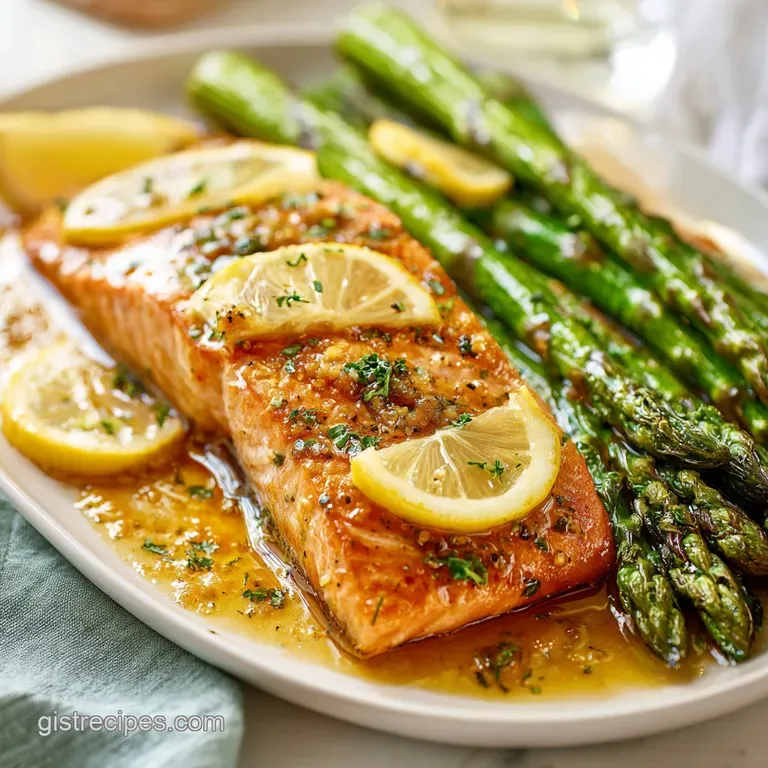
- Time: Active 8 minutes, Passive 12 minutes, Total 20 minutes
- Flavor/Texture Hook: Zesty citrus glaze with a crackling skin finish
- Perfect for: A cozy date night or a nutritious post work recharge
- The Physics of the Perfect Flaky Salmon Sear
- Component Analysis of Your Citrus Seafood Roast
- Selecting the Freshest Components for Your Citrus Dinner
- The Simple Tools for a Restaurant Quality Home Roast
- Step-by-Step Guide to a Flawless Lemon Salmon Roast
- Common Kitchen Hurdles and Quick Flavor Fixes
- Adapting Your Meal for Different Tastes and Pantries
- Debunking Common Salmon Cooking Myths
- Storing and Reheating Your Leftover Salmon and Asparagus
- Plating Tips for a Cozy Night at Home
- Recipe FAQs
- 📝 Recipe Card
The Physics of the Perfect Flaky Salmon Sear
The Maillard Magic: High heat triggers a chemical reaction between amino acids and reducing sugars, creating that savory, browned crust we crave. In this dish, the touch of honey accelerates this browning, giving you a deep color before the fish overcooks.
Acidic Denaturation: The lemon juice doesn't just add flavor; it begins to "cook" or denature the proteins on the surface. This helps the marinade penetrate deeper, ensuring every bite is seasoned from the inside out rather than just on the surface.
Vapor Pressure Balance: Leaving the skin on acts as a thermal barrier, protecting the delicate flesh from direct heat while the fat underneath renders out. This keeps the moisture trapped inside, preventing that dreaded chalky texture.
| Thickness | Internal Temp | Rest Time | Visual Cue |
|---|---|---|---|
| 0.5 inch | 125°F (52°C) | 2 mins | Opaque and light pink |
| 1 inch | 130°F (54°C) | 3 mins | Flakes easily with a fork |
| 1.5 inches | 135°F (57°C) | 5 mins | Center is just barely translucent |
The table above is your best friend when you’re standing over the oven wondering if it’s "done" yet. Always lean toward taking it out a minute early rather than a minute late. Carryover cooking is a real thing, and your salmon will continue to rise in temperature by about 5 degrees after it hits the plate.
For a different vibe on another night, you might like my Bang Bang Salmon recipe which uses a totally different heat profile. But for tonight, we are sticking to the classic, comforting citrus roast. It's the kind of meal that makes you feel like you've really taken care of yourself.
Component Analysis of Your Citrus Seafood Roast
| Ingredient | Science Role | Pro Secret |
|---|---|---|
| Salmon Fillets | Fat & Protein | Pat the skin bone dry with a paper towel for maximum crunch. |
| Fresh Lemon | Acid & Brightness | Use the zest for aroma and the juice for the structural seasoning. |
| Extra Virgin Olive Oil | Heat Conductor | A higher quality oil adds a peppery finish that cuts through the fish's fat. |
| Raw Honey | Sugar Source | This provides the "sticky" factor that helps the garlic adhere to the flesh. |
Selecting your fish is where the battle is won or lost. I always look for fillets that have a vibrant, consistent color and a firm texture. If the fish looks like it's "gapping" or falling apart in the package, leave it there. You want something that feels sturdy.
If you're planning for the weekend and want something a bit more traditional, my Sunday Dinner Idea recipe is a classic that follows similar principles of heat and moisture control. But back to the salmon the asparagus should be snappy, not spindly. Look for stalks that are about the width of a pencil for the best roasting results.
Selecting the Freshest Components for Your Citrus Dinner
Gathering your ingredients is like setting the stage for a great performance. You don't need a pantry full of spices, just a few high-quality staples that work hard.
- 2 center cut salmon fillets (approx. 6 oz / 170g each): Skin on is non negotiable for texture. Why this? The skin protects the meat and provides a savory, crispy contrast.
- 1 bunch fresh asparagus (approx. 1/2 lb / 225g): Trim those woody ends! Why this? It roasts in the exact same time as the salmon, making it a "one pan" hero.
- 1 lemon: We’ll use both slices and juice. Why this? Provides both a visual garnish and the necessary acidity to balance the fat.
- 1 tbsp extra virgin olive oil: Don't skimp here.
- 2 cloves garlic, minced: Fresh is always better than the jarred stuff.
- 1 tsp honey: Just enough to encourage browning without making it a dessert.
- 1/2 tsp sea salt: To draw out the natural flavors.
- 1/4 tsp cracked black pepper: For a subtle, warming bite.
- 1 tbsp fresh dill or parsley: Adds that "just picked" finish.
If you find yourself without fresh dill, don't panic. You can swap it for dried herbs, but use only about a third of the amount since dried herbs are much more concentrated.
| Original Ingredient | Substitute | Why It Works |
|---|---|---|
| Fresh Asparagus | Broccolini | Similar cook time and high fiber content. Note: May need an extra 2 mins. |
| Honey | Maple Syrup | Provides sweetness and caramelization. Note: Adds a slightly woodier flavor. |
| Extra Virgin Olive Oil | Ghee | High smoke point and rich, buttery taste. |
The beauty of this meal is how adaptable it is. If you have some green beans in the fridge that need using, toss them in! Just keep in mind that they might need a few extra minutes in the oven compared to the asparagus.
The Simple Tools for a Restaurant Quality Home Roast
You don't need a professional kitchen to pull this off. Honestly, the simpler the better. A heavy duty sheet pan is your most important ally here. You want something that won't warp when it hits the high heat of the oven.
A warped pan means your oil and juices will run to one corner, leaving half your dinner dry and the other half swimming in liquid.
Chef's Tip: Put your empty sheet pan in the oven while it preheats. When you place the salmon and veggies onto that screaming hot metal, you get an immediate sear on the bottom that you just can't get starting from cold.
I also highly recommend a digital meat thermometer. I used to guess "by feel," but after one too many overcooked salmon dinners, I realized that 130°F is the magic number for my house. It takes the anxiety out of the process.
You can just relax, have a glass of water (or wine!), and wait for the beep.
step-by-step Guide to a Flawless Lemon Salmon Roast
1. The over High heat Foundation
Preheat your oven to 400°F (200°C). While that’s warming up, line a large sheet pan with parchment paper or foil. This isn't just for easy cleanup it helps reflect heat back onto the food.
2. The Citrus Infusion
In a small bowl, whisk together the olive oil, lemon juice, minced garlic, honey, salt, and pepper. You’ll smell the garlic and lemon immediately; it should be sharp and inviting.
3. Prepping the Greens
Toss the trimmed asparagus directly on the sheet pan with half of the lemon garlic mixture. Spread them out into a single layer. Note: Overcrowding the pan leads to steaming rather than roasting, which results in mushy stalks.
4. Setting the Salmon
Place the salmon fillets in the center of the pan, pushing the asparagus to the sides. Pat the skin dry one last time. Brush the remaining marinade over the top of the fish.
5. The Garnish Layer
Top each fillet with a lemon slice or two. This protects the top of the fish from the direct dry heat of the oven and infuses a deeper citrus flavor as the juices release.
6. The Searing Roast
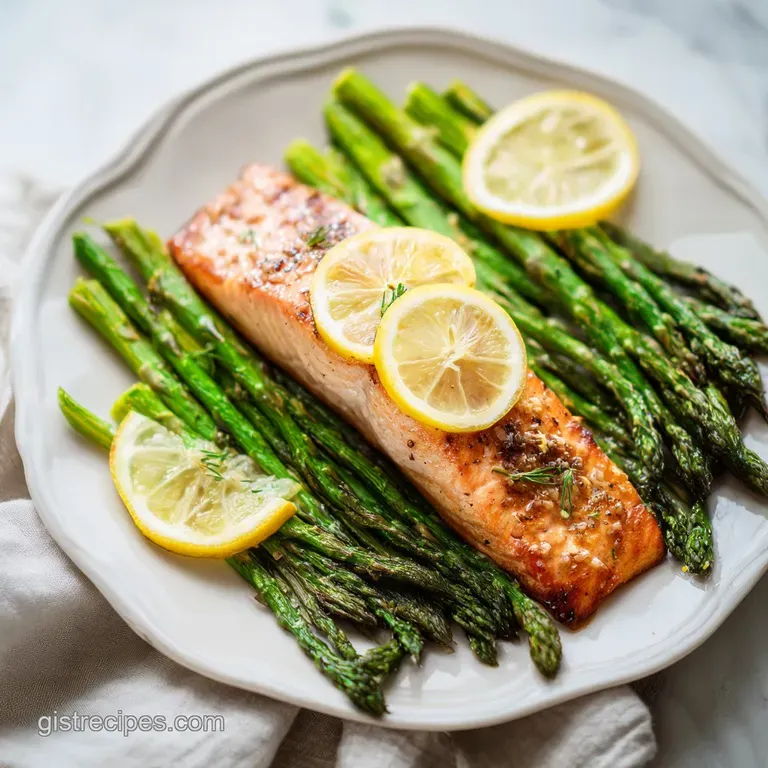
Slide the pan into the oven. Roast for 10 to 12 minutes until the salmon flakes easily and the asparagus is tender crisp with charred tips.
7. The Finishing Touch
Remove from the oven and immediately sprinkle with the fresh dill or parsley. The residual heat will wake up the oils in the herbs, releasing a fresh, grassy aroma.
8. The Rest Period
Let the fish sit on the pan for 3 minutes before serving. Note: This allows the juices to redistribute so they don't all run out the moment you slide your fork in.
Common Kitchen Hurdles and Quick Flavor Fixes
Why Your Salmon Is Sogginess
If your fish comes out feeling more boiled than roasted, it's usually a moisture issue. If the fillets were frozen, they might have released too much water. Always pat them dry with paper towels and I mean really dry, like you're trying to polish a piece of silver.
Also, make sure your oven is truly at 400°F before the pan goes in.
Why Your Asparagus Is Stringy
Asparagus has a "woody" base that is almost impossible to chew. The trick is to find the natural snapping point. Hold the stalk at both ends and bend it; it will snap exactly where the tough part ends. If you just chop the ends off with a knife, you might miss some of that fibrous material.
| Problem | Root Cause | Solution |
|---|---|---|
| White "stuff" on salmon | Albumin coagulating | Cook at a slightly lower temp or don't overcook. Note: It's harmless but unappealing. |
| Burnt Garlic | Garlic minced too fine | Slice garlic thinly instead of mincing to withstand high heat. |
| Limp Asparagus | Overcrowded pan | Use a larger sheet pan to allow air circulation. |
Check out this quick fix table for those "oh no" moments. Most things in the kitchen can be fixed with a little bit of heat adjustment or a splash of extra lemon at the end.
Common Mistakes Checklist: ✓ Forgot to pat the salmon dry (results in steamed, rubbery skin) ✓ Overcrowded the sheet pan (prevents the asparagus from getting those crispy, charred tips) ✓ Skipped the honey (you lose out on that deep, golden brown caramelization) ✓ Sliced the
lemon too thick (it won't release enough juice to flavor the fish) ✓ Didn't preheat the oven long enough (the fish won't sear properly)
Adapting Your Meal for Different Tastes and Pantries
If you're cooking for one, simply halve the ingredients. However, I actually recommend making the full amount. The leftover salmon is incredible cold on top of a salad the next day. If you're cooking for a crowd (say, four people), you'll want to use two sheet pans.
When scaling up, don't just double the salt and pepper. Use about 1.5 times the seasoning and then taste as you go. Liquids like lemon juice can also be increased by about 75% rather than a full 100% to keep the flavors balanced.
For a Hearty Couples Healthy Dinner Lemon Salmon
If you’re particularly hungry, you can add some baby potatoes to the mix. Just remember that potatoes take much longer to cook than salmon. You’ll need to roast the potatoes for about 20 minutes before adding the fish and asparagus to the pan.
For a Low Carb Fiber Boost
Swap the honey for a keto friendly sweetener like erythritol, or just leave it out entirely. The lemon and garlic still provide plenty of punch. You could also add some sliced radishes to the pan; they lose their "bite" and become sweet and juicy when roasted.
| Fresh Approach | Shortcut Version | Resulting Difference |
|---|---|---|
| Freshly squeezed lemon | Bottled lemon juice | Bottled juice is more acidic but lacks the floral aroma of fresh zest. |
| Fresh garlic cloves | Jarred minced garlic | Jarred garlic can have a slightly bitter or metallic aftertaste. |
| Fresh herb garnish | Dried herbs | Fresh herbs add a "pop" of color and a light, airy finish. |
- For extra crunch
- Sprinkle a tablespoon of panko breadcrumbs over the salmon before roasting.
- For a spicy kick
- Add a pinch of red pepper flakes to the lemon olive oil mixture.
- For a Mediterranean vibe
- Toss a handful of pitted Kalamata olives and cherry tomatoes onto the pan.
Debunking Common Salmon Cooking Myths
One of the biggest myths I hear is that you should always cook salmon until it’s "well done" to be safe. In reality, salmon is best when it's still a little bit translucent in the very center. Overcooking it turns those healthy fats into a dry, crumbly mess.
Another one is that you have to flip the salmon. When roasting at high heat on a sheet pan, there is absolutely no need to flip. The heat from the pan sears the bottom while the oven air cooks the top. Flipping often leads to the fish falling apart or the skin sticking to the pan.
Leave it alone and let the oven do the work!
Storing and Reheating Your Leftover Salmon and Asparagus
Salmon is best eaten fresh, but if you have leftovers, they’ll stay good in the fridge for up to 2 days. Keep them in an airtight glass container to prevent the "fishy" smell from taking over your refrigerator.
For the asparagus, try to keep it in a separate corner of the container so it doesn't get too soggy from the salmon juices.
When it comes to reheating, the microwave is usually the enemy of fish. It makes it rubbery and loud. Instead, try reheating it in a 300°F (150°C) oven for about 10 minutes, or even better eat it cold!
Flake the salmon into a wrap with some avocado and greens for a brilliant lunch the next day.
Zero Waste Tip: Don't throw away those lemon rinds or the ends of the asparagus. You can toss lemon rinds into a pot of simmering water to make your house smell amazing, and asparagus ends can be frozen and used later to flavor a vegetable stock.
Plating Tips for a Cozy Night at Home
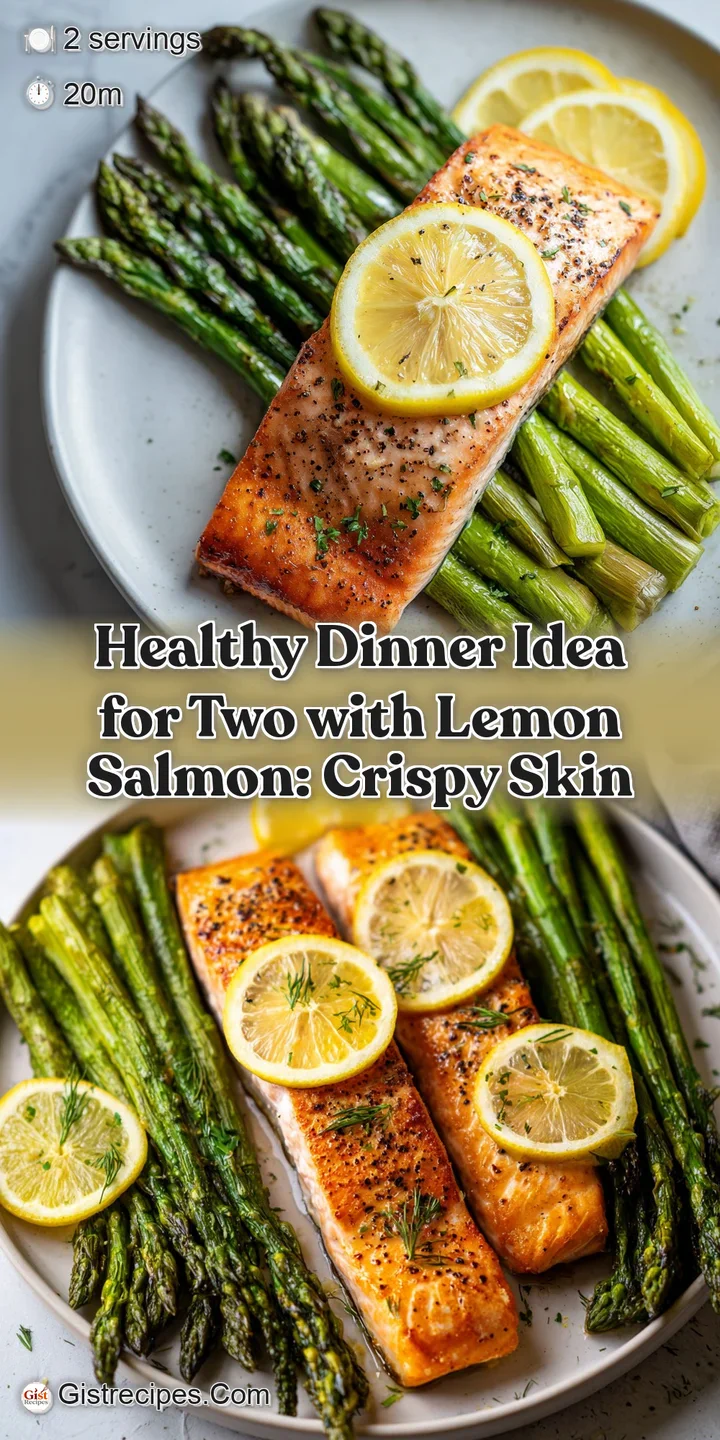
Serving this Healthy Dinner Idea for Two with Lemon Salmon should feel like a reward. Use your "nice" plates even if it's just a Tuesday. Arrange the asparagus in a neat pile and set the salmon fillet diagonally across the top.
The contrast of the green stalks against the pink fish and yellow lemon is naturally beautiful.
Drizzle any of the leftover juices from the pan right over the top. That liquid gold is full of garlic, honey, and salmon fat. It’s the secret sauce that brings the whole dish together. Add a final crack of black pepper and a few extra sprigs of dill. It’s a meal that looks like you spent hours on it, but we’ll keep the 20 minute secret between us. Enjoy your dinner you’ve earned it! For more simple protein ideas, you might consider this Lunch Dish Idea recipe for your meal prep rotation.
Recipe FAQs
Can I substitute chicken for the salmon in this recipe?
No, this recipe is optimized for salmon's rapid cook time. Chicken breasts require significantly longer cooking times and a higher internal temperature to be safe, drastically changing the overall timing of the side dishes.
How to ensure the salmon skin gets crispy when roasting?
Pat the skin completely dry with paper towels before seasoning. Moisture is the enemy of crispiness; any residual water will steam the skin instead of letting it sear against the hot pan.
What internal temperature should the salmon reach for perfect doneness?
Aim for 130°F (54°C) when removed from the oven. This target yields flaky, moist fish, and carryover cooking will bring it up to a safe and ideal temperature within a few minutes of resting.
Is it true I must use parchment paper when roasting seafood at high heat?
No, this is a common misconception, but highly recommended for easy cleanup. For an even better sear on the bottom, place the pan in the oven to preheat and then place the fish directly on the hot metal, but be prepared for potential sticking.
How to adjust the cooking time if I use thicker salmon fillets (over 1.5 inches)?
Increase the total roasting time by 3 to 5 minutes, monitoring the internal temperature closely. If you are roasting thicker cuts frequently, you might enjoy the controlled heat application used in our Cedar Plank Salmon recipe which uses indirect heat.
What can I substitute for the honey to keep this recipe low sugar?
Substitute with an equal amount of maple syrup or a zero calorie alternative like monk fruit sweetener. Maple syrup works well because it has similar viscosity, which helps it adhere to the fish surface during roasting.
How to ensure the asparagus cooks at the same time as the salmon?
Select asparagus stalks approximately the width of a pencil and trim off the woody ends. Thicker stalks need pre-roasting for about 10 minutes before adding the fish to the pan for an even cook.
Lemon Salmon Dinner For Two
Ingredients:
Instructions:
Nutrition Facts:
| Calories | 465 kcal |
|---|---|
| Protein | 37.2 g |
| Fat | 29.1 g |
| Carbs | 12.8 g |
| Fiber | 3.6 g |
| Sugar | 4.5 g |
| Sodium | 625 mg |
