Philly Cheesesteak Casserole: Savory and Beefy
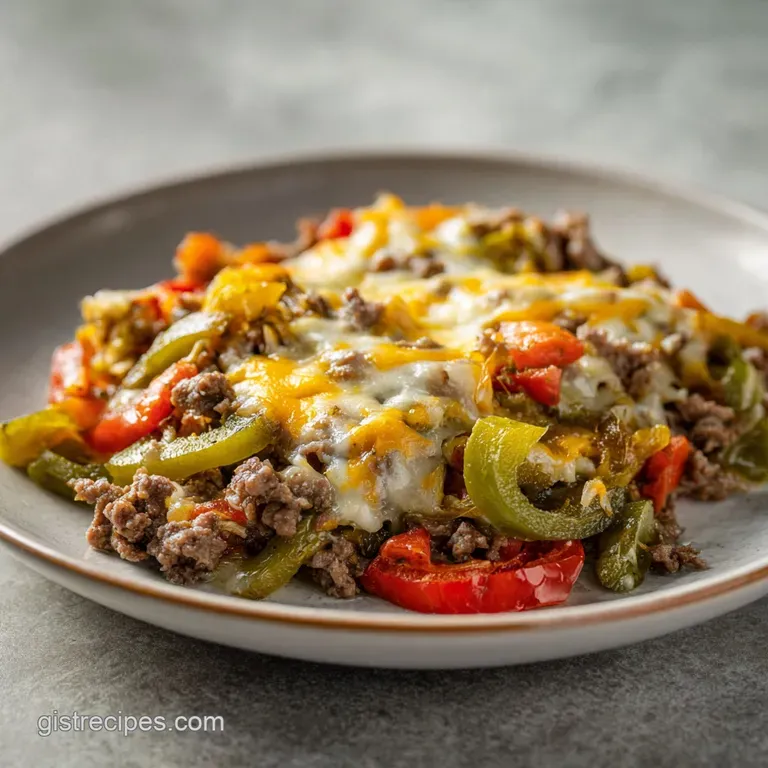
- Time: Active 20 minutes, Passive 10 minutes, Total 30 minutes
- Flavor/Texture Hook: Savory, beefy base with a molten, bubbly cheese blanket and crisp tender aromatics.
- Perfect for: Low carb dinner cravings, family meal prep, or a game day crowd pleaser.
- The Authentic Spirit of a Philly Cheesesteak Casserole
- Mastering the Core Mechanics of This Savory Casserole
- Essential Technical Specifications for the Ultimate Savory Comfort Dish
- Sourcing the Highest Quality Components for Maximum Flavor Impact
- Professional Kitchen Tools Required for Executing This Authentic Recipe
- Executing the Layered Phases of a Perfect Bake
- Proactive Strategies for Preventing Common Culinary Errors and Mishaps
- Creative Adaptations to Tailor the Flavor Profile to Your Preference
- Preserving Freshness and Texture Through Proper Storage and Reheating
- Complementary Side Dishes That Enhance Your Savory Meat Feast
- Truths Behind Common Kitchen Misconceptions
- Very High in Sodium
- Recipe FAQs
- 📝 Recipe Card
The Authentic Spirit of a Philly Cheesesteak Casserole
Stepping onto the corner of 9th and Passyunk in South Philadelphia, the air hits you with a specific, intoxicating perfume. It's the heavy scent of rendered beef fat hitting a scorching griddle, the sharp sweetness of caramelized onions, and that unmistakable tang of molten cheese.
Since the 1930s, the cheesesteak has been more than just a sandwich; it’s a cultural icon, a blue collar badge of honor, and a source of intense local debate. Whether you’re a "Whiz wit" devotee or a Provolone purist, the soul of the dish lies in the harmony of thinly sliced ribeye and softened aromatics.
When I first set out to create this Philly Cheesesteak Casserole, I knew I had to respect that heritage. We aren't just throwing ground beef into a pan; we are layering flavors to replicate that authentic griddle experience.
In the traditional shops, the steak is chopped and folded directly into the onions and peppers on the heat, allowing the juices to mingle and create a natural sauce. My goal was to capture that specific "clink clink" sound of the metal spatulas and the velvety mouthfeel of the meat, even if we are swapping the long Italian roll for a bake friendly format.
This version is designed for those of us who crave that savory, salty, and satisfying profile but want something that fits into a modern kitchen schedule. It’s a low carb philly cheesesteak casserole that doesn't feel like a compromise.
We’ve focused on the Maillard reaction that beautiful browning of the meat and the blistering of the vegetables to ensure every bite carries the depth of a 24 hour deli counter.
Honestly, once you see how the cream cheese emulsifies with the beef juices to create a "Whiz style" sauce without the processed ingredients, you’ll never look at a standard casserole the same way again.
Mastering the Core Mechanics of This Savory Casserole
The Velveting Technique: Adding baking soda to ground beef raises the pH level on the surface of the meat, which prevents the protein strands from tightening up too quickly.
This results in a silky, tender texture that mimics the mouthfeel of thinly shaved ribeye rather than the grainy texture typical of browned mince.
The Fat Emulsion Strategy: Cream cheese serves as a powerful stabilizer in this recipe, binding the rendered beef fat and Worcestershire sauce into a thick, velvety coating. This creates a cohesive "sauce" that clings to every vegetable strip, ensuring the dish never feels dry or disjointed.
Blistering vs. Steaming: By using avocado oil and a over high heat skillet, we aim for "blistered" vegetables that retain a slight snap. This contrast between the tender beef and the crisp tender peppers prevents the casserole from becoming a soggy, undifferentiated mess after its time in the oven.
Strategic Cheese Layering: Using both sliced provolone and shredded mozzarella provides two distinct functions. The provolone offers that sharp, classic Philly tang and a solid base, while the mozzarella provides the high moisture "pull" and golden brown highlights that make the top layer so visually appealing.
| Feature | Stovetop Searing | Oven Finishing |
|---|---|---|
| Primary Goal | Developing a deep, savory crust and softening aromatics. | Melting the cheese and integrating the flavor layers. |
| Heat Intensity | High heat for maximum browning and texture. | Moderate 400°F heat for controlled melting. |
| Visual Cue | Meat is browned and peppers have charred edges. | Cheese is bubbly with golden brown spots. |
Choosing between a strictly stovetop method and an oven finish is a common debate for this dish. However, the oven finish is non negotiable if you want that "shatter" of the cheese crust.
While the stovetop is great for the heavy lifting of browning the beef, the ambient heat of the oven is what truly transforms the provolone and mozzarella into a unified, molten blanket.
Essential Technical Specifications for the Ultimate Savory Comfort Dish
Every great meal starts with understanding the parameters. For this carb philly cheesesteak casserole, we are looking for high protein density and a fat to veg ratio that keeps things satiating without being overly greasy. The 80/20 beef ratio is critical here because the fat provides the liquid base for our sauce.
| Component | Science Role | Pro Secret |
|---|---|---|
| Baking Soda | Raises pH to keep proteins tender. | Let it sit for the full 15 minutes to avoid a metallic aftertaste. |
| Cream Cheese | Acts as an emulsifier for the beef fats. | Use cubed, room temperature cheese for a faster, smoother melt. |
| Worcestershire | Adds acidity and concentrated umami (anchovy base). | Fold it in at the very end to keep the brightness intact. |
Success in the kitchen is often about the details that happen before the heat even hits the pan. For instance, the 15 minute resting period with the baking soda is a technique borrowed from Chinese "velveting" methods. It’s the difference between a chewy, tough casserole and one that feels expensive and chef driven. If you're looking for other high protein bakes, you might notice similar techniques used in my Mexican Chicken Casserole, where moisture retention is the name of the game.
Sourcing the Highest Quality Components for Maximum Flavor Impact
To build the best Philly Cheesesteak Casserole, you need to be picky about your elements. We aren't just shopping; we're curated a savory experience.
- 2 lbs 80/20 ground beef: Why this? The 20% fat content is essential for creating the creamy, molten sauce base.
- 1 tsp baking soda: Why this? This is the secret weapon for a velvety, non grainy meat texture.
- 2 large green bell peppers: Why this? Sliced thinly to provide that signature bitter sweet contrast to the rich beef.
- 1 large yellow onion: Why this? High sugar content allows for better caramelization and depth of flavor.
- 8 oz white button mushrooms: Why this? They add an earthy, savory "meatiness" that rounds out the dish.
- 4 oz cream cheese: Why this? Provides the structural stability for the internal cheese sauce.
- 8 slices aged provolone cheese: Why this? Offers the classic sharp flavor profile essential to an authentic Philly feel.
- 0.5 cup shredded mozzarella cheese: Why this? Added for its superior melting properties and beautiful golden color.
- 0.5 tsp sugar-free Worcestershire sauce: Why this? A concentrated shot of umami to deepen the beefy notes.
- Seasoning: 1.5 tsp sea salt, 1 tsp cracked black pepper, 1 tsp garlic powder, and 2 tbsp avocado oil for the sauté.
If you find yourself missing green peppers, you can swap them for red or yellow ones, though they will be slightly sweeter. For the beef, you could use ground bison, but keep in mind it's much leaner, so you might need an extra tablespoon of avocado oil to compensate.
The goal here is a keto beef casserole recipes vibe that satisfies everyone at the table, regardless of their diet.
Professional Kitchen Tools Required for Executing This Authentic Recipe
You don't need a professional griddle to make this, but the right pans make a massive difference. A 12 inch cast iron skillet (like a Lodge) is my absolute favorite for this because it holds heat like a champion and goes straight from the stove to the oven.
If you don't have cast iron, any oven safe heavy bottomed skillet will work. You'll also want a sturdy metal spatula to "chop" the beef as it sears.
A sharp chef's knife is non negotiable for those peppers and onions. We want long, thin slices that mimic the traditional sandwich. If they are cut too thick, they won't soften in time; too thin, and they’ll turn to mush. Aim for about 1/4 inch thickness.
Finally, having a few small prep bowls ready will help you keep the "mis en-place" organized, so you aren't scrambling to cube cream cheese while the beef is sizzling.
Executing the Layered Phases of a Perfect Bake
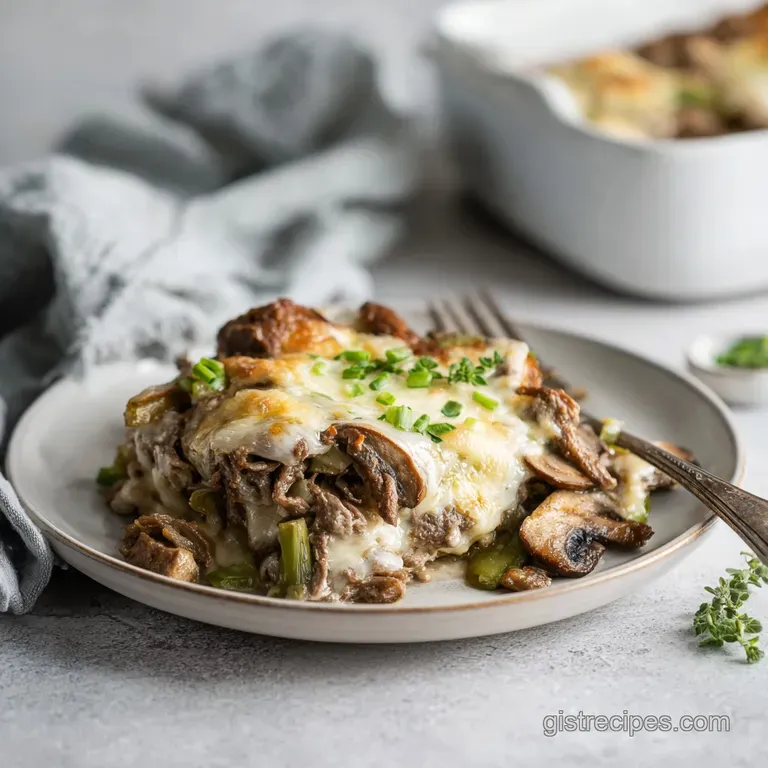
Achieving the Perfect Sear
- Preheat and Prep: Set your oven to 400°F (200°C) and ensure the rack is in the center position. In a large bowl, toss your 2 lbs ground beef with 1 tsp baking soda and a splash of water, then let it rest for 15 minutes. Note: This tenderizing phase is crucial for the velvety texture.
- Sizzle the Beef: Heat your oven safe skillet over medium high heat until a drop of water dances on the surface. Add the beef in a single, even layer.
- Develop the Crust: Let the beef sear undisturbed for 3 minutes. Browning occurs when the meat develops a deep, dark crust. Once seared, break it apart into small chunks and cook until just browned through.
- Reserve and Clear: Remove the beef from the skillet and set it aside in a bowl, but leave those golden drippings and rendered fat in the pan.
Blistering the Aromatics
- Sauté the Veggies: Add the 2 tbsp avocado oil to the skillet if it looks dry. Toss in your sliced onions, green peppers, and mushrooms.
- Find the Color: Sauté for 5-7 minutes. You are looking for blistered, charred edges on the onions while the peppers remain crisp tender. Don't let them get soggy!
- Combine the Base: Turn the heat down to low and return the beef to the skillet.
Integrating the Creamy Elements
- Melt the Sauce: Add the 4 oz cubed cream cheese and 0.5 tsp Worcestershire sauce. Fold the mixture continuously until the cheese has completely melted. The mixture should be coated in a silky, creamy sauce.
- Level the Skillet: Use a spatula to press the beef and vegetable mixture into an even, flat layer across the bottom of the pan.
Executing the Final Melt
- The Cheese Blanket: Lay the 8 slices of provolone across the top, overlapping slightly. Sprinkle the 0.5 cup shredded mozzarella over the gaps.
- The Final Bake: Transfer the skillet to the 400°F oven. Bake for 5-7 minutes until the cheese is bubbling and showing golden brown spots.
- The Rest: Let it sit for 2-3 minutes before serving to allow the juices to settle and the cheese to firm up just slightly.
Proactive Strategies for Preventing Common Culinary Errors and Mishaps
Why Your Casserole Is Watery
If you find a pool of liquid at the bottom of your skillet, it’s usually because the mushrooms or peppers were crowded in the pan. When vegetables are crowded, they steam rather than sear, releasing all their internal moisture at once.
To fix this, ensure your skillet is large enough (12 inches) and the heat is high enough to evaporate that moisture as it releases.
Dealing with Greasy Beef
Ground beef with an 80/20 ratio is flavorful but can be oily. If you see too much yellow fat pooling after browning the beef, feel free to spoon out a tablespoon or two. However, don't remove it all! That fat is the vehicle for the cream cheese to turn into a sauce. Balance is key here.
| Problem | Root Cause | Solution |
|---|---|---|
| Grainy Meat | Skipping the baking soda rest. | Ensure the beef sits with baking soda for 15 minutes before cooking. |
| Rubbery Cheese | Overbaking at a low temperature. | Use a hot oven (400°F) for a quick melt and brown. |
| Bland Flavor | Under seasoning the vegetables. | Season the onions and peppers with salt as soon as they hit the pan. |
Common Mistakes Checklist
- ✓ Don't skip the baking soda; it's the secret to the "shaved steak" texture.
- ✓ Pat the mushrooms dry with a paper towel before slicing to prevent excess moisture.
- ✓ Ensure the cream cheese is softened; cold cubes will take too long to melt and might clump.
- ✓ Resist the urge to stir the beef for the first 3 minutes that sear is where the flavor lives.
- ✓ Use a heavy skillet that can handle the transition from stovetop to 400°F oven.
Creative Adaptations to Tailor the Flavor Profile to Your Preference
This Philly Cheesesteak Casserole is incredibly versatile. If you aren't strictly low carb, you can serve this over a bed of white rice or stuffed inside a toasted hoagie roll for a more traditional experience. If you’re hosting a crowd and need more sides, it pairs beautifully with something like a Mexican Street Corn Casserole, which adds a nice sweetness to contrast the savory beef.
For those who want a spicy kick, I love adding a few chopped pickled jalapeños or a dash of crushed red pepper flakes into the beef mixture before the cheese goes on. If you want to lean into the "Texas Philly" style, swap the provolone for pepper jack cheese.
Scaling the Recipe Up or Down
- Scaling Down (Half Recipe): Use 1 lb of beef and a 9 inch skillet. Keep the cook times the same, but watch the cheese carefully in the oven as it may brown faster in a smaller pan. For the egg based binders (if you ever add them), use one small egg.
- Scaling Up (Double Recipe): Use two separate 12 inch skillets or a large 10x15 roasting pan. You must sauté the beef and veggies in batches to avoid steaming. Increase spices by 1.5x rather than doubling to prevent it from becoming too salty.
- Baking Adjustments: If doubling in a deep casserole dish, you may need to increase the bake time to 10-12 minutes to ensure the center is hot.
| Servings | Beef Amount | Pan Size | Cook Time (Oven) |
|---|---|---|---|
| 3 People | 1 lb | 9" Skillet | 5 minutes |
| 6 People | 2 lbs | 12" Skillet | 5-7 minutes |
| 12 People | 4 lbs | 10x15 Pan | 10-12 minutes |
Preserving Freshness and Texture Through Proper Storage and Reheating
This is one of those rare dishes that actually tastes better the next day. As it sits, the beef juices and the cheese sauce further meld, creating a more intense flavor profile.
Storage GuidelinesFridge: Store in an airtight container for up to 4 days. The cheese will solidify, which is normal. Freezer: You can freeze this casserole for up to 3 months.
I recommend freezing it after the stovetop steps but before adding the cheese slices and the final bake. This ensures the cheese doesn't get a grainy texture upon reheating.
Reheating Tips To keep the meat tender, avoid the microwave if possible. Reheat in a 350°F oven, covered with foil, for about 15 minutes. This prevents the cheese from burning while the center gets hot.
If you must use the microwave, use 50% power and add a splash of water to the container to create steam.
Zero Waste Kitchen Don't throw away those mushroom stems or the onion skins! Toss the mushroom stems into a freezer bag for your next homemade beef stock. If you have leftover casserole, it makes a killer omelet filling the next morning. Just chop up the cold casserole and fold it into whisked eggs.
Complementary Side Dishes That Enhance Your Savory Meat Feast
Since this is a rich, savory dish, I usually look for sides that offer acidity or crunch to cut through the fat. A simple arugula salad with a lemon vinaigrette is my go to. The peppery bite of the greens balances the creamy provolone perfectly.
If you are looking for more keto friendly options, roasted cauliflower with a dusting of garlic powder is a great way to bulk up the meal without adding many carbs. For a "cheesesteak and fries" feel without the potatoes, try turnip fries or zucchini spears seasoned with smoked paprika.
This keto philly cheesesteak casserole is essentially a blank canvas for savory pairings, so don't be afraid to experiment with bold, vinegar forward sides.
Truths Behind Common Kitchen Misconceptions
One major myth is that searing meat "seals in the juices." In reality, searing is all about the Maillard reaction creating new flavor compounds through heat. The meat actually loses moisture as it sears, but the trade off is the incredible savory crust that defines a good cheesesteak.
Another misconception is that you need expensive ribeye for a good cheesesteak. While ribeye is the gold standard for sandwiches, ground beef works beautifully in a casserole format because the fat content is controlled and the "velveting" technique we used provides that necessary tenderness.
You don't need to break the bank to get an authentic flavor profile.
Finally, some people think baking soda will make the meat taste soapy. This only happens if you use too much or don't let it cook out. By sticking to the 1 tsp per 2 lbs ratio and ensuring a hard sear, the baking soda completely neutralizes, leaving you with nothing but silky, tender beef that feels like it came from the best grill master in Philly.

Very High in Sodium
945 mg 945 mg of sodium (41% 41% of daily value)
The American Heart Association recommends limiting sodium intake to no more than 2,300mg per day, ideally aiming for 1,500mg.
Tips to Reduce Sodium
-
Halve the Sea Salt-25%
Reduce the 1.5 tsp sea salt to 0.75 tsp. This is a significant source of sodium and can be easily adjusted without drastically changing the flavor profile.
-
Opt for Lower Sodium Cheese-15%
Choose reduced sodium provolone and part skim mozzarella. Traditional aged provolone and full fat mozzarella can be high in sodium.
-
Use Low-Sodium Worcestershire Sauce-20%
Substitute the 0.5 tsp sugar-free Worcestershire sauce with a low-sodium or no-salt added version. Traditional Worcestershire sauce is very high in sodium.
-
Boost Flavor with Herbs and Spices
Enhance the savory notes by increasing the cracked black pepper and garlic powder. Consider adding dried or fresh herbs like oregano, basil, or thyme to further compensate for reduced salt.
-
Reduce Cream Cheese-5%
Slightly decrease the amount of cream cheese, or look for a lower sodium variety. Cream cheese can contribute a noticeable amount of sodium.
Recipe FAQs
How to tenderize the ground beef effectively?
Toss the beef with baking soda and a splash of water. Let this mixture sit for 15 minutes before cooking, as this alters the protein structure to mimic the tender texture of thinly sliced ribeye.
Is it necessary to sear the beef undisturbed?
Yes, searing undisturbed for 3 minutes is vital. This technique develops a deep, savory crust on the meat, which provides the essential foundation for that authentic griddle flavor. If you enjoyed the complex crust development here, you will find similar principles applied in our other oven baked favorites.
How to ensure the vegetables stay crisp tender?
Sauté the peppers, onions, and mushrooms for exactly 5 7 minutes. Pull them off the heat once the edges blister but before they lose their structural integrity, ensuring they provide a necessary crunch against the velvety beef.
Can I prepare the casserole components ahead of time?
Yes, you can cook the beef and vegetables up to 24 hours in advance. Store the mixture in the refrigerator and simply fold in the cheeses before baking, adding 5 extra minutes to the bake time to account for the chilled temperature.
Is it true I should stir the cream cheese on high heat?
No, this is a common misconception. You must reduce the heat to low before adding the cream cheese to prevent the fats from separating, which ensures the sauce stays silky rather than grainy.
How to prevent the cheese topping from burning?
Watch the oven closely during the final 5 7 minutes of baking. The goal is a bubbly, golden brown finish, so pull the skillet out the moment the mozzarella and provolone reach that perfect level of melt.
How to adjust for a larger group?
Double the ingredients and use a larger oven safe skillet or roasting pan. Ensure you maintain the single layer searing method for the beef to keep the cooking time consistent and the flavor profile balanced.
Philly Cheesesteak Casserole
Ingredients:
Instructions:
Nutrition Facts:
| Calories | 678 kcal |
|---|---|
| Protein | 42.8 g |
| Fat | 52.4 g |
| Carbs | 7.2 g |
| Fiber | 1.4 g |
| Sugar | 3.1 g |
| Sodium | 945 mg |
