Pineapple Jalapeno Chutney: Spicy and Sweet
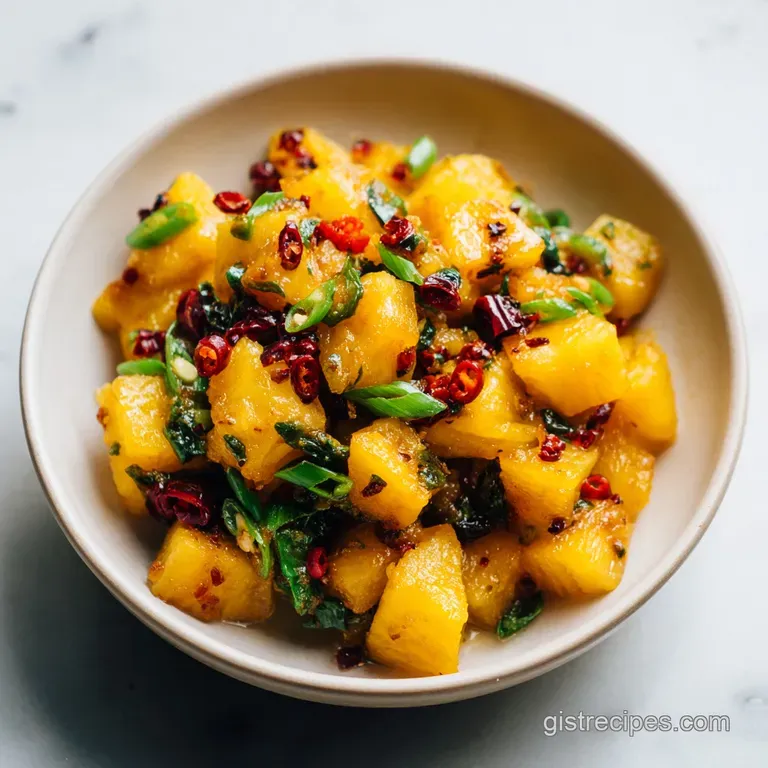
- Time: Active 15 minutes, Passive 25 minutes, Total 40 minutes
- Flavor/Texture Hook: Glossy, chunky, and spicy sweet
- Perfect for: Summer BBQs, cheese boards, and meal prep
- The Ultimate Pineapple Jalapeno Chutney
- Why This Flavor Layers Work
- Understanding the Flavor Components
- Essential Ingredients and Easy Swaps
- Tools for a Glossy Finish
- The Perfect Simmering Process
- Solving Your Chutney Texture Issues
- Quick Swaps and Tasty Twists
- Safe Storage and Zero Waste
- Best Ways to Serve This
- Recipe FAQs
- 📝 Recipe Card
The Ultimate Pineapple Jalapeno Chutney
If you have ever tried making a fruit topping only to have it turn into a runny, flavorless puddle on your plate, I feel your pain. I remember the first time I tried a fruit salsa style cook, I didn't let the liquid reduce enough. I ended up with a soggy mess that completely ruined my grilled fish.
It was watery, the heat from the peppers was sharp rather than integrated, and it lacked that professional, jammy finish. This Pineapple Jalapeno Chutney is the specific fix for those "fruit soup" disasters.
We are going for big, bold flavors here that hit every part of your palate at once. You get the zing from the vinegar, the deep sweetness of the brown sugar, and that creeping heat from the minced jalapenos.
It is basically a party in a jar, and the texture is exactly what you want: thick enough to stay on a cracker but loose enough to drizzle over a protein.
You can expect a recipe that doesn't just sit there. It active, it vibrant, and it changes the entire vibe of your meal. We are skipping the bland, store-bought jars that are 90 percent corn syrup and 10 percent fruit.
Instead, we are building layers of aromatics, fruit, and acid to create something that tastes like a high end restaurant side. Let's get into why this method actually works.
Why This Flavor Layers Work
Making a great chutney isn't just about throwing fruit in a pot. It is about a specific sequence that builds a foundation of flavor before the main fruit even hits the heat.
- Aromatic Foundation: Sautéing onions and ginger first creates a savory base that prevents the chutney from tasting like plain jam.
- Sugar Acid Balance: The apple cider vinegar provides a sharp contrast to the brown sugar, ensuring the sweetness isn't cloying.
- Pectin Release: Simmering the pineapple slowly allows its natural fibers to soften while the sugar creates a syrupy, stable glaze.
- Oil Toasting: Toasting the cumin in oil for exactly 60 seconds awakens the fat soluble flavor compounds that would otherwise stay dormant.
| Method | Total Time | Final Texture | Best Use Case |
|---|---|---|---|
| Stovetop | 40 minutes | Glossy and syrupy | Quick weeknight meals |
| oven-roasted | 55 minutes | Jammy and charred | Deep, smoky flavor profiles |
| Slow Cooker | 4 hours | Soft and integrated | Large batch holiday prep |
There is a huge difference between stovetop and oven methods. While the stovetop is faster and gives you more control over the reduction, the oven can offer a unique roasted depth if you have the time. For this recipe, we are sticking to the stovetop for that vibrant, fresh punch that makes the pineapple pop.
Understanding the Flavor Components
Before we start chopping, let's look at what these ingredients are actually doing in your pan. It is not just about the taste; it is about the structural integrity of the chutney.
| Ingredient | Science Role | Pro Secret |
|---|---|---|
| Fresh Pineapple | Provides bulk and acid | Use fruit that is just ripe; overripe pineapple turns to mush. |
| Light Brown Sugar | Acts as a thickener | The molasses in brown sugar adds a deeper caramel note than white sugar. |
| Apple Cider Vinegar | Preserves and brightens | This acid breaks down the fruit fibers just enough to make them tender. |
| Fresh Ginger | Adds heat and depth | Grate it finely so it distributes evenly without woody chunks. |
One mistake I once made was using canned pineapple. Honestly, don't even bother with that if you want a premium result. The texture of canned fruit is too soft from the canning process, and you won't get those distinct, beautiful cubes that make this Pineapple Jalapeno Chutney so visually striking.
Fresh is the only way to go for that "snap" in every bite.
Essential Ingredients and Easy Swaps
You need ingredients that are fresh and punchy. If your jalapenos look wrinkled or your ginger is dry, the final flavor will suffer. Quality really matters when you only have a handful of components.
- Fresh Pineapple (600g): The star of the show. Why this? Fresh fruit holds its shape during the 25 minute simmer time.
- Jalapenos (45g): Provides the heat. Why this? They offer a grassy, bright spice that complements tropical fruit perfectly.
- Red Onion (110g): Adds color and savory depth. Why this? Red onions are sweeter than white, making them ideal for condiments.
- Apple Cider Vinegar (120ml): The preserving agent. Why this? It has a fruity undertone that white vinegar lacks.
- Light Brown Sugar (100g): The sweetener. Why this? It creates a velvety, sticky glaze that clings to the fruit.
- Fresh Ginger (15g): For a peppery zing.
- Garlic (6g): Adds an essential savory backbone.
- Ground Cumin (1 tsp): Provides an earthy, warm aroma.
| Original Ingredient | Substitute | Why It Works |
|---|---|---|
| Apple Cider Vinegar | Rice Vinegar | Softer acidity but keeps the fruity profile intact. |
| Light Brown Sugar | Honey | Adds a floral note but makes the chutney slightly stickier. |
| Fresh Ginger | Galangal | Offers a more citrusy, sharp bite for a Thai inspired twist. |
| Neutral Oil | Coconut Oil | Adds a subtle tropical aroma that pairs with pineapple. |
If you find yourself out of red onion, a shallot is a fantastic swap. It is actually a bit more refined and melts into the sauce even better. I've also tried using lime juice in place of some of the vinegar when I wanted a more "taco ready" vibe.
It works, but keep in mind that lime juice loses its punch faster than vinegar does during storage.
Tools for a Glossy Finish
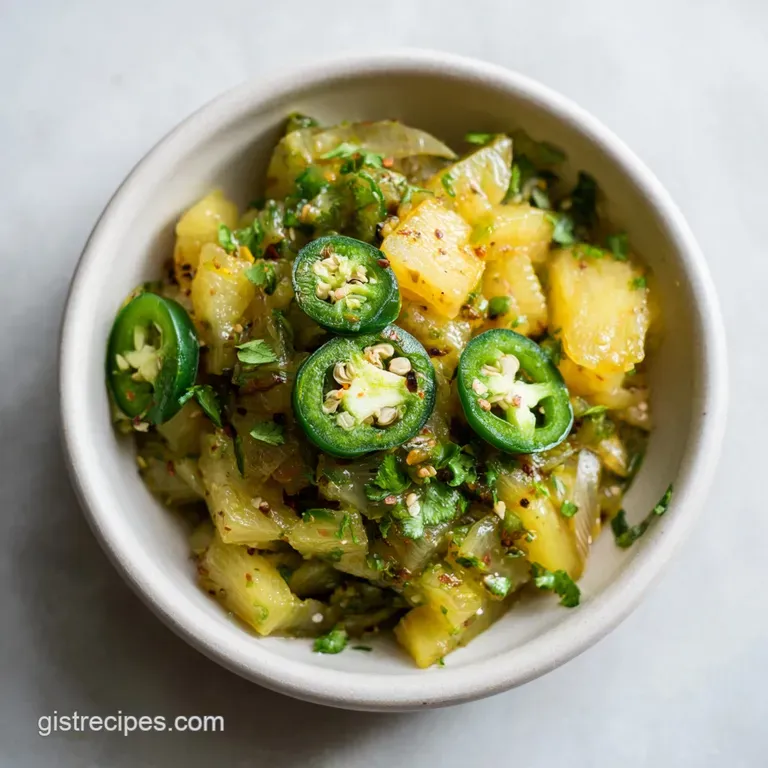
You don't need a kitchen full of gadgets, but a few specific tools will make your life a lot easier and your chutney a lot better.
First, grab a heavy bottomed saucepan. This is non negotiable. If you use a thin, cheap pan, the sugar will scorch before the pineapple has a chance to soften. You want even heat distribution. A stainless steel or enameled cast iron pot is perfect here.
Second, a really sharp chef's knife is your best friend. You are dicing 600g of pineapple and mincing 45g of jalapenos. If your knife is dull, you'll end up crushing the fruit instead of cutting it, which leads to that watery mess we talked about earlier.
Third, a microplane or a fine grater for the ginger and garlic. You want these to be almost a paste so they emulsify into the syrupy glaze. Nobody wants to bite into a big chunk of raw ginger in the middle of their meal.
Chef's Tip: Freeze your ginger for 10 minutes before grating. It makes the fibers stiff and much easier to grate into a fine snow without it getting stringy.
The Perfect Simmering Process
This is where the magic happens. Follow these steps closely, especially the timing, to ensure your Pineapple Jalapeno Chutney reaches that internet famous glossy consistency.
- Sauté the onion. Place your saucepan over medium heat with 1 tsp of neutral oil. Add the 110g of chopped red onion. Cook for 3-4 minutes until translucent and soft.
- Toast the aromatics. Stir in the 6g of minced garlic, 15g of grated ginger, and 1 tsp of ground cumin. Cook for exactly 60 seconds until the aroma fills your kitchen. Note: Don't let the garlic brown or it will turn bitter.
- Integrate the fruit. Add the 600g of diced pineapple and 45g of minced jalapenos. Stir well to coat every piece of fruit in those toasted spices.
- Add the liquids. Pour in the 120ml of apple cider vinegar and stir in the 100g of brown sugar, 1/2 tsp salt, and 1/4 tsp pepper.
- Bring to a simmer. Turn the heat up slightly until the mixture starts to bubble.
- Reduce and thicken. Drop the heat to low. Simmer for 20-25 minutes until the liquid looks like a thick, syrupy glaze. Stir occasionally to prevent sticking.
- Check the texture. The pineapple should be tender but still hold its cube shape. It shouldn't be mushy.
- Cool down. Remove the pan from the heat. Let it sit at room temperature until completely cool and set. Note: The chutney thickens significantly as it cools, so don't over reduce it on the stove.
Watching the liquid transform is the best part. It starts off very watery and pale, but as the sugar reacts with the vinegar and fruit juices, it turns into a beautiful, amber colored nectar. If you love this kind of flavor profile, you might also enjoy my Chipotle Corn Salsa which uses similar sweet and heat balances.
Solving Your Chutney Texture Issues
Even with the best intentions, things can go sideways. Chutney is sensitive to heat levels and the water content of your specific pineapple.
Why Your Chutney Is Too Runny
If after 25 minutes your mixture still looks like a soup, you likely didn't have the heat high enough for a true simmer, or your pineapple was exceptionally juicy. The solution isn't necessarily more cooking, which can dull the flavors.
Instead, try taking a slotted spoon, removing the fruit, and boiling the liquid solo for 3-4 minutes until it thickens, then adding the fruit back in.
Why Your Chutney Is Too Spicy
Sometimes jalapenos are absolute fire, and sometimes they are mild like a bell pepper. If you finish the cook and realize it is way too hot for your guests, don't panic. You can balance the heat by adding a splash more vinegar and a tablespoon of sugar.
The extra acid and sweetness will distract the palate from the capsaicin burn.
| Problem | Root Cause | Solution |
|---|---|---|
| Bitter Taste | Scorched garlic or cumin | Add a pinch of salt and a teaspoon of honey to mask. |
| Mushy Fruit | Overcooked or over stirred | Next time, stir less and keep heat strictly on low. |
| Too Sweet | Under ripe fruit or too much sugar | Increase apple cider vinegar by 1 tablespoon. |
For another great way to use these flavors, this chutney is a killer topper for Baked Chicken Kabobs where the acidity cuts right through the savory char of the meat.
Common Mistakes Checklist
- ✓ Never use canned pineapple; the texture will never be right.
- ✓ Don't skip the onion sauté; it provides the savory "base" that makes it a chutney.
- ✓ Avoid high heat during the reduction phase; low and slow prevents scorching.
- ✓ Let the chutney cool completely in the pan before jarring to allow the pectin to set.
- ✓ Keep the jalapeno seeds if you want a "viral" level of spice, or remove them for a milder hit.
Quick Swaps and Tasty Twists
If you want to scale this recipe up for a big party, it is quite simple. If you double the recipe (using 1.2kg of pineapple), you don't necessarily double the salt and spices.
- Scaling Up (2x): Use 1.5x the salt and cumin, but keep the liquids at a 10% reduction from a straight double to ensure it thickens properly.
- Scaling Down (1/2): Reduce the cook time by about 5 minutes as the smaller volume will evaporate much faster.
If you want a smoky profile, do this: Char the whole jalapenos over a gas flame or under a broiler until the skin blackens. Peel off the charred skin before mincing. This adds an incredible depth that tastes internet famous.
If you want a tropical vibe, do this: Replace half of the apple cider vinegar with lime juice and add a handful of toasted coconut flakes right before serving. It turns the chutney into something that feels like a vacation in a jar.
Safe Storage and Zero Waste
You've done the work, now make sure it stays fresh. Because of the high sugar and acid content, this chutney keeps remarkably well. Store it in a clean glass jar in the fridge for up to 10 days. The flavors actually get better after about 24 hours as the ginger and cumin really permeate the pineapple.
For freezing, you can keep this in an airtight container for up to 3 months. Just be aware that the pineapple might lose a little bit of its "snap" after thawing, but the flavor will still be incredible. I like to freeze mine in ice cube trays so I can pop out a single serving to toss into a Chicken Fried Rice for a quick flavor boost.
Zero Waste Tip: Don't throw away the pineapple core! While too tough for the chutney, you can slice it thin and simmer it with water and a bit of sugar to make a pineapple simple syrup for cocktails. Or, toss the peel and core into a pitcher of water for a refreshing infused drink while you cook.
Best Ways to Serve This
This chutney isn't just for grilled chicken. It is a versatile powerhouse that can save a boring meal. One of my favorite ways to serve it is on a cheese board. The spicy pineapple cuts through the creaminess of a triple cream brie or a sharp cheddar like nothing else.
You can also use it as a glaze. In the last 5 minutes of cooking pork chops or salmon, brush a generous layer of the chutney over the top. The sugar will caramelize under the heat, creating a beautiful, sticky crust that looks like it came from a professional kitchen.
Finally,, try it as a sandwich spread. A turkey and avocado wrap is completely transformed with a spoonful of this Jalapeno Chutney. It adds that hit of acid and heat that most sandwiches are missing. Trust me, once you start keeping a jar of this in your fridge, you'll find a reason to put it on everything.
Right then, let's crack on and get that pineapple dicing!

Recipe FAQs
How to ensure the chutney reaches the perfect syrupy consistency?
Simmer the mixture on low heat for 20-25 minutes. Stir occasionally to ensure the liquid reduces into a thick glaze and the pineapple remains tender.
Is it true I must boil the mixture rapidly to get it to thicken?
No, this is a common misconception. Boiling rapidly can burn the sugars and dry out the fruit before the flavors meld; a slow simmer on low heat produces the best results.
How to properly store the finished chutney?
Cool the chutney completely, then transfer it into glass jars. It will continue to thicken as it cools to room temperature and can be stored for up to one week.
Can I skip the step of toasting the cumin, ginger, and garlic?
No, do not skip this step. Toasting the aromatics for 60 seconds is essential to release their essential oils and build the foundational flavor of the chutney.
How to manage the heat level of the jalapenos?
Adjust the amount of minced jalapenos added to the pan. Since the heat concentrates during the 25-minute simmer, you can mince fewer peppers if you prefer a milder profile.
Is it necessary to use a heavy bottomed saucepan?
Yes, use a heavy bottomed pan to prevent scorching. The brown sugar and fruit juices need steady, even heat to reduce into a glaze without burning at the base.
How to prepare this chutney ahead of time for guests?
Make the recipe up to one week in advance. Storing it in the refrigerator allows the flavors to meld and develop further, often resulting in a better taste when served.
Pineapple Jalapeno Chutney
Ingredients:
Instructions:
Nutrition Facts:
| Calories | 51 kcal |
|---|---|
| Protein | 0.3 g |
| Fat | 0.4 g |
| Carbs | 12.3 g |
| Fiber | 0.8 g |
| Sugar | 10.4 g |
| Sodium | 74 mg |
