Potsticker Stir Fry: Crisp Dumplings & Ginger Sauce
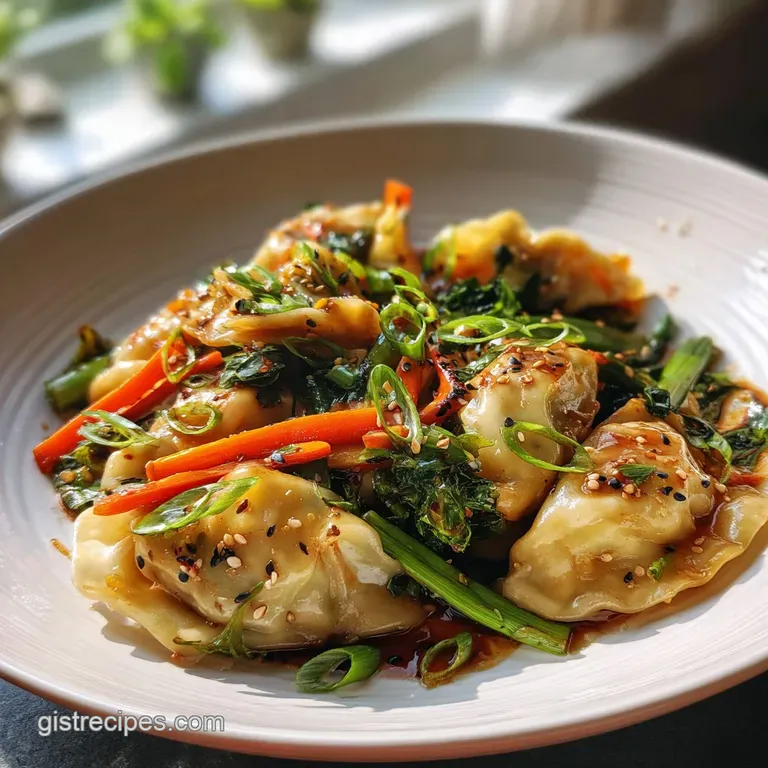
- Time: Active 10 minutes, Passive 15 minutes, Total 25 minutes
- Flavor/Texture Hook: Shatter crisp dumpling bottoms and crunchy snap peas
- Perfect for: Busy weeknights and comforting family dinners
- Mastering Your Quick Potsticker Stir Fry
- Key Techniques Explained
- Essential Stats for This Recipe
- Fresh Components for Your Pan
- Tools for a Perfect Meal
- Steps for a Golden Finish
- Solving Your Kitchen Hurdles
- Creative Twists on the Classic
- Scaling Your Family Meal
- Myths About Dumpling Stir Frying
- Smart Storage and Fresh Ideas
- Perfect Sides for Your Table
- Critical in Sodium
- Recipe FAQs
- 📝 Recipe Card
Mastering Your Quick Potsticker Stir Fry
There is a specific sound that defines my Friday nights, and it’s the aggressive sizzle of a frozen dumpling hitting a shimmering pool of oil. I remember one particular rainy evening when the pantry was nearly bare, and my hunger was pushing me toward a disappointing bowl of cereal.
I found a bag of potstickers hidden behind a tub of ice cream and decided to toss them into a pan with some leftover carrots. The aroma of garlic and ginger hitting the heat instantly changed the mood of the kitchen from frantic to comforting.
That night, I learned that you don't need a professional setup to create something that feels like it belongs in a grandma's kitchen. We’ve all been there, staring at a bag of frozen dough and wondering if it can actually become a "real" meal. This Potsticker Stir Fry is my answer to that question.
It’s a hearty, balanced dish that brings the family together over a single pan, proving that even "shortcut" ingredients can create a meal that feels intentional and homemade.
We are going for a beautiful contrast here. You want that specific crunch from the vegetables to play against the soft, pillowy tops of the dumplings. By the time you’re done, your kitchen will smell like toasted sesame and fresh ginger, and you’ll have a dinner that looks like it took an hour but was actually ready in under thirty minutes.
Let's get that pan hot and transform those frozen potstickers into something truly special.
Key Techniques Explained
The Physics of the Steam Crisp: When you add water to a hot, oiled pan and cover it, you create a high pressure steam environment that cooks the dough and filling through.
Simultaneously, the bottom of the dumpling remains in contact with the fat, allowing the Maillard reaction to create a shatter crisp crust once the water evaporates.
Emulsified Glossiness: The cornstarch in the sauce acts as a stabilizer, binding the honey and soy sauce into a velvety coating that clings to the vegetables rather than pooling at the bottom of the bowl.
Thermal Gradient Searing: By julienning the carrots and slicing the peppers thinly, we increase the surface area, allowing them to soften just enough to be tender while retaining their internal structural "snap."
The "Steam Sear" Hybrid Method
Most people think you have to either steam or fry, but the magic happens when you do both at once. We start by searing the frozen dumplings in oil to establish a base of flavor. Then, we introduce liquid and trap it with a lid. This is where the magic happens.
The steam migrates into the center of the potsticker, while the bottom stays put, intensifying its golden color. It's a technique that ensures you never end up with a soggy dumpling or a raw center.
Science of the Glossy Glaze
The sauce isn't just for flavor; it’s a functional coating. When the honey and cornstarch hit the hot pan, the sugars begin to slightly caramelize while the starch granules swell and thicken.
This creates a cohesive glaze that bridges the gap between the savory pork or vegetable filling and the bright, earthy snap peas. It’s what gives the dish that professional finish without needing a gallon of oil.
Flash Frying for Micronutrient Retention
We aren't boiling these vegetables into submission. By using a over high heat flash fry for the carrots and snap peas, we preserve the vibrant colors and the delicate nutrients. High heat for a short duration breaks down the tough cellulose just enough to make the veggies palatable while keeping that satisfying "crunch" that makes a stir fry feel fresh and alive.
| Method | Time | Texture Outcome | Best For |
|---|---|---|---|
| Stovetop Skillet | 15 minutes | Maximum bottom crunch | Best overall flavor |
| Sheet Pan Oven | 25 minutes | Uniformly tender dough | Hands off cooking |
| Air Fryer | 12 minutes | All over crispy exterior | Snacking style |
Choosing the stovetop method is usually best because it allows you to control the evaporation of the sauce, ensuring it becomes a velvety glaze rather than a thin soup. If you are looking for a more decadent treat later, you might want to try a Peanut Butter Cup recipe for dessert, but for now, the skillet is your best friend.
Essential Stats for This Recipe
When you are aiming for that perfect family classic, precision helps. I’ve found that the weight of the dumplings matters because it dictates how much steam you need to generate. If you use too much water, you’ll boil the crust away. If you use too little, the filling stays icy.
We are looking for that middle ground where the water disappears exactly when the centers reach a safe, piping hot temperature.
| Component | Science Role | Pro Secret |
|---|---|---|
| Frozen Potstickers | Starch & Protein | Don't thaw them; the ice crystals help create the initial steam puff. |
| Grapeseed Oil | Heat Transfer | Use a high smoke point oil to prevent acrid flavors during the sear. |
| Fresh Ginger | Aromatic Depth | Freeze the knob before grating; it turns into a fine snow that melts into the sauce. |
| Cornstarch | Thickening Agent | Always whisk into cold liquid first to prevent "fish eyes" or lumps. |
The carrot julienne is also a secret weapon. Because they are cut into matchsticks, they cook at the exact same rate as the snap peas. If you chopped them into rounds, they’d still be hard by the time the peas turned grey.
It’s these little details that make the difference between a "thrown together" meal and a family favorite.
Fresh Components for Your Pan
To make this Potsticker Stir Fry, you'll need to gather a mix of freezer staples and fresh produce. I always suggest using the freshest garlic and ginger you can find, as the dried versions just don't provide that same hearty, aromatic punch.
- 20 oz frozen potstickers: Use pork, chicken, or vegetable. Why this? They provide the bulk and the "noodle like" satisfaction of the dish.
- Substitute: Frozen mini wontons (reduce steaming time by 2 minutes).
- 2 tablespoons grapeseed or avocado oil: High smoke point is key. Why this? Prevents the oil from breaking down during the over high heat sear.
- Substitute: Canola oil or light olive oil.
- 1 large red bell pepper: Thinly sliced for sweetness. Why this? Adds a bright color contrast and a tender bite.
- Substitute: Yellow or orange bell pepper.
- 1.5 cups snap peas: Trimmed of their tough strings. Why this? Offers a necessary crunch to offset the soft dough.
- Substitute: Snow peas or broccoli florets.
- 1 medium carrot: Julienned into matchsticks. Why this? Provides an earthy sweetness and great texture.
- Substitute: Pre shredded coleslaw mix (add at the very end).
- 3 green onions: Separated into white and green parts. Why this? Whites provide onion depth; greens add a fresh finish.
- Substitute: Sliced shallots for the whites.
- 1/4 cup soy sauce: The primary salt and umami source. Why this? Seasons the entire dish and browns the edges.
- Substitute: Tamari for a gluten-free option.
- 1 tablespoon rice vinegar: For a bright, acidic lift. Why this? Cuts through the richness of the fried dough.
- Substitute: Apple cider vinegar.
- 1 tablespoon honey: To balance the salt. Why this? Helps the sauce thicken and caramelize.
- Substitute: Brown sugar or maple syrup.
- 1 teaspoon toasted sesame oil: For a nutty aroma. Why this? Provides that "takeout" smell we all love.
- Substitute: Toasted sesame seeds (sprinkled at the end).
- 1 tablespoon fresh ginger: Grated finely. Why this? Adds a spicy, clean heat that dried ginger lacks.
- Substitute: 1 teaspoon ground ginger (mix into sauce).
- 3 cloves fresh garlic: Minced well. Why this? A foundational flavor for any comforting stir fry.
- Substitute: 1 teaspoon garlic powder.
- 1 teaspoon cornstarch: The thickener. Why this? Creates that velvety glaze that clings to every bite.
- Substitute: Arrowroot powder.
- 1/2 teaspoon red pepper flakes: For a hint of heat. Why this? Wakes up the palate without overpowering the ginger.
- Substitute: A drizzle of Sriracha or chili oil.
Tools for a Perfect Meal
You don't need a fancy wok to make a great Potsticker Stir Fry. In fact, for this specific recipe, a wide, flat bottomed skillet is often better because it allows more dumplings to touch the heat at the same time.
The Vessel
A 12 inch non stick skillet or a well seasoned cast iron pan is ideal. The surface area is your friend here. You want enough room so the potstickers aren't piled on top of each other. If they are crowded, they will steam but they won't sear, and you'll miss out on that beautiful golden crust.
A tight fitting lid is also mandatory for the steaming phase.
Small Mixing Bowl
Don't try to add the sauce ingredients directly to the pan one-by-one. You need a small bowl to whisk the soy sauce, honey, and cornstarch together. This ensures the cornstarch is fully dissolved before it hits the heat.
If you skip this, you’ll end up with little white lumps of starch in your dinner, which is definitely not the "velvety" experience we’re after.
Chef's Tip: Use a microplane for both the ginger and the garlic. It turns them into a paste that integrates perfectly into the sauce, ensuring no one gets a giant, bitter bite of raw garlic.
Steps for a Golden Finish
This process moves quickly once the pan is hot, so have all your vegetables chopped and your sauce whisked before you turn on the stove. This is the secret to a stress free kitchen.
- Whisk the sauce. Combine the soy sauce, rice vinegar, honey, toasted sesame oil, ginger, garlic, cornstarch, and red pepper flakes in a small bowl until the honey and cornstarch are fully dissolved. Note: This prevents the cornstarch from settling at the bottom.
- Sear the potstickers. Heat the 2 tablespoons of oil in a large skillet over medium high heat and add the 20 oz of frozen potstickers in a single layer until the bottoms are pale gold. Note: This usually takes about 2 to 3 minutes.
- Steam the centers. Carefully pour 1/4 cup of water into the pan and immediately cover with a lid until the water has completely evaporated. Note: This takes about 5 to 6 minutes; the steam cooks the filling through.
- Crisp the bottoms. Remove the lid and continue to cook for 1 to 2 minutes until the bottoms are deep golden and shatter crisp. Note: This step re crisps the dough after the steaming phase.
- Remove and set aside. Transfer the potstickers to a plate until you are ready to toss them back in. Note: Keeping them in the pan while cooking veggies makes them soggy.
- Sauté the aromatics. In the same pan, add the white parts of the green onions until they become fragrant and translucent.
- Flash fry the vegetables. Add the sliced red bell pepper, julienned carrot, and snap peas, tossing over high heat until they are bright and crisp tender. Note: 3 to 4 minutes is usually enough to keep the crunch.
- Thicken the glaze. Give the sauce a quick re whisk and pour it over the vegetables until the liquid bubbles and turns glossy. Note: The cornstarch activates almost instantly once it hits the heat.
- Combine and coat. Return the potstickers to the pan and toss gently until every piece is coated in the velvety sauce.
- Garnish and serve. Sprinkle the green parts of the onions over the top until the dish looks fresh and vibrant.
Solving Your Kitchen Hurdles
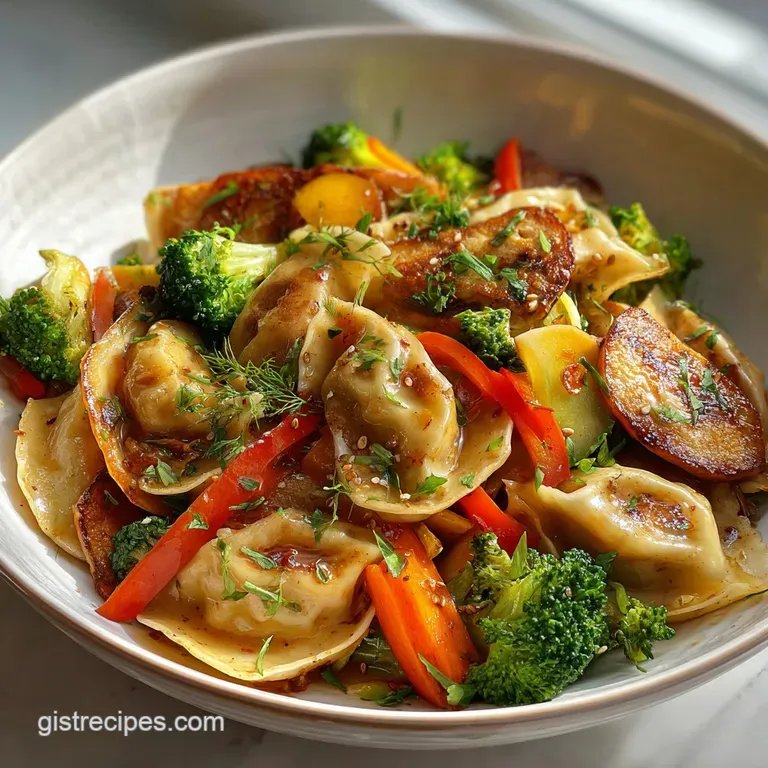
Even the simplest meals can throw a curveball. Most stir fry issues stem from temperature control or timing. If things aren't looking right, don't panic most "mistakes" are easily fixed with a splash of water or a bit more heat.
Why Your Potstickers Stick
If your dumplings are tearing when you try to move them, you likely tried to flip them too early. Potstickers have a "release" point. As the starch on the bottom of the dough fries and hardens, it naturally pulls away from the pan.
If you find them sticking even after they are brown, your pan might not have been hot enough when you added the oil, or your non stick coating is wearing thin.
| Problem | Root Cause | Solution |
|---|---|---|
| Soggy potstickers | Too much water added | Remove lid early and turn up heat to evaporate liquid fast. |
| Gloppy sauce | Cornstarch wasn't whisked | Add a tablespoon of water and whisk vigorously to thin it out. |
| Burnt garlic | Heat was too high | Add the sauce immediately to lower the pan temp and stop the browning. |
The Sauce is Too Thick
If your sauce turns into a thick paste the second it hits the pan, your heat might be screaming high, or the cornstarch ratio was slightly off. This is a very common "oops" moment. Simply add a tablespoon of water or a splash of chicken broth and stir.
The sauce will loosen up and become that velvety glaze you were looking for.
Common Mistakes Checklist
- ✓ Never thaw the potstickers before cooking; they turn into a sticky mess.
- ✓ Ensure the pan is hot enough that the oil shimmers before adding the dumplings.
- ✓ Don't overcrowd the pan; if the dumplings touch, they will fuse together.
- ✓ Use a lid that fits tightly to ensure the steam actually cooks the centers.
- ✓ Wait for the "release" don't force the dumplings off the pan if they are resisting.
Creative Twists on the Classic
While this recipe is a family classic as written, it’s also a fantastic canvas for whatever you have in the crisper drawer. The beauty of a stir fry is its adaptability.
Potsticker Stir Fry Noodles
If you want to make this meal even more hearty, you can add cooked ramen or udon noodles during the final stage. You will likely need to double the sauce ingredients to ensure the noodles aren't dry. This turns the dish into a complete one pan feast that feels like a fancy takeout treat.
I’ve done this on nights when the kids are extra hungry, and it never fails to satisfy.
The Protein Power Up
If you have some leftover grilled chicken or a bit of ground pork, toss it in with the vegetables. Since the potstickers already have protein, this isn't strictly necessary, but it can help stretch the meal if you're serving more than four people.
Just make sure the added protein is already cooked or sliced thin enough to cook in the three minutes the vegetables are in the pan.
- Spicy Version: Add a tablespoon of gochujang or sriracha to the sauce.
- Nutty Version: Toss in a handful of toasted cashews or peanuts at the very end.
- Extra Veggie: Add baby corn or water chestnuts for more texture.
Scaling Your Family Meal
Scaling this dish is fairly straightforward, but you have to be mindful of pan space. If you are doubling the recipe, do not try to cook 40 dumplings in one 12 inch skillet.
Scaling Down (1-2 Servings): You can easily halve the ingredients. Use a smaller 8 inch skillet and reduce the steaming water to about 2 tablespoons. The cooking times will remain roughly the same, but keep an eye on the sauce as it will thicken much faster in a smaller quantity.
Scaling Up (6-8 Servings): To double this, I highly recommend working in two batches for the potstickers. Cook the first 20 oz, move them to a warm oven, and then cook the second 20 oz. You can cook all the vegetables together if you have a very large wok or a second skillet.
For the sauce, use 1.5x the salt and spices but keep the liquids at 2x to ensure enough coverage.
| Servings | Potstickers | Veggie Amount | Pan Size |
|---|---|---|---|
| 2 people | 10 oz | 1/2 pepper, 3/4 cup peas | 8-10 inch |
| 4 people | 20 oz | 1 pepper, 1.5 cups peas | 12 inch |
| 8 people | 40 oz | 2 peppers, 3 cups peas | 2 large skillets |
Myths About Dumpling Stir Frying
Myth: You must thaw frozen potstickers before frying them. Truth: Thawing actually makes the dough gummy and prone to tearing. Cooking them straight from the freezer allows the exterior to crisp while the interior steams perfectly.
Myth: High heat is the only way to cook a stir fry. Truth: While the sear and the veggie flash fry need high heat, the steaming phase should be done at a steady medium heat to prevent the water from disappearing before the centers are hot.
Smart Storage and Fresh Ideas
This dish is best served immediately because the "shatter crisp" bottom of the potsticker will eventually soften as it sits in the sauce. However, if you have leftovers, they are still quite comforting the next day.
Storage: Keep leftovers in an airtight container in the fridge for up to 3 days. To reheat, I suggest using a skillet over medium heat with a tiny splash of water. This helps loosen the sauce and avoids the "rubbery" texture that a microwave can sometimes give to dumpling dough.
Freezing: I do not recommend freezing the finished dish. Since the potstickers were already frozen once, the texture of the vegetables and the dough will degrade significantly upon a second freeze and thaw.
Zero Waste Tip: If you have leftover sauce at the bottom of the pan, don't wash it away! Toss in a handful of spinach or some leftover rice the next morning for a quick, savory breakfast. Those ginger and garlic bits are too good to waste.
Perfect Sides for Your Table
Since this Potsticker Stir Fry is already quite hearty with the dough and the veggies, you don't need much else to make it a meal. However, if you're looking to round out the table for a bigger family gathering, a few simple additions can help.
The Authentic Pairing
A simple bowl of fluffy white rice or brown rice is the classic companion. It acts as a sponge for any extra velvety ginger sauce. If you want to keep things light, a side of smashed cucumber salad with a bit of sesame oil and rice vinegar provides a cold, refreshing contrast to the hot, savory pan.
The Refreshing Side
Because this dish is rich and savory, I love serving it with a bright citrus element. A few wedges of lime squeezed over the top right before eating can wake up the honey and soy flavors. It’s a small touch that makes the whole meal feel a bit more elevated and fresh.
- Drink Pairing: A cold jasmine tea or a crisp ginger ale.
- Appetizer: A simple miso soup or some edamame with sea salt.
- Dessert: Sliced oranges or a light fruit sorbet to cleanse the palate.
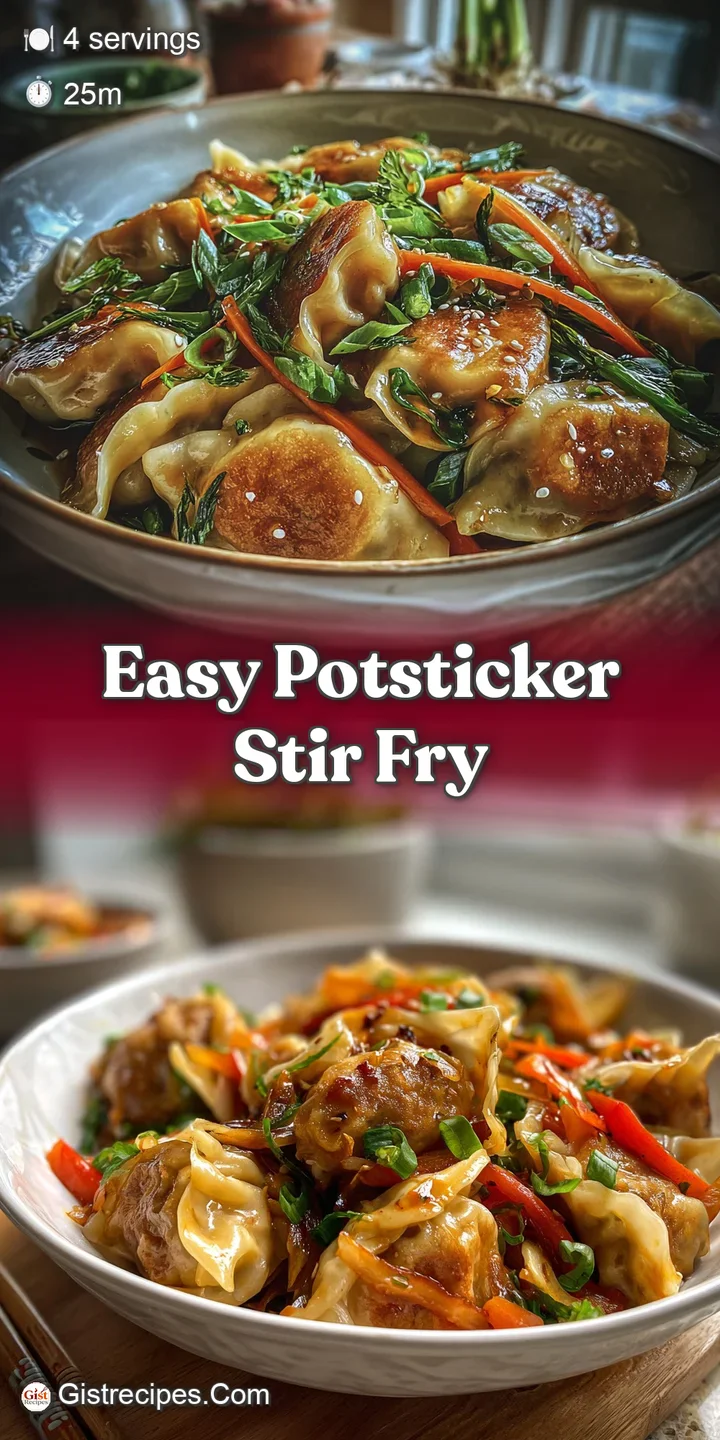
Critical in Sodium
1435 mg mg of sodium per serving (62% of daily value)
The American Heart Association recommends limiting sodium intake to no more than 2,300mg per day for most adults. Aim for even less ideally, no more than 1,500mg per day for optimal heart health.
Sodium Reduction Tips for Your Potstickers
-
Low-Sodium Swap-20%
Replace the regular soy sauce with a low-sodium soy sauce or tamari. This simple switch can significantly reduce the sodium content of the dish.
-
Potsticker Choice-15%
Opt for low-sodium or reduced sodium frozen potstickers, if available. Check the nutrition labels carefully, as sodium content can vary widely between brands.
-
Honey Balance-10%
Reduce the soy sauce by 1 tablespoon and increase the honey by 1/2 tablespoon. This will maintain the flavor profile while lowering the sodium content.
-
Rinse & Reduce-10%
Rinse the potstickers under water for a few minutes to help remove the sodium content.
-
Acidic Boost-5%
Increase the rice vinegar by 1/2 tablespoon and add a squeeze of fresh lemon or lime juice. The added acidity will enhance the flavor and may help offset the reduction in sodium.
-
Spice it Up
While the red pepper flakes add flavor, experiment with other sodium free spices like black pepper or garlic powder for even more depth.
-
Herb Power
Enhance the flavor with fresh herbs like cilantro, basil, or chives. Herbs add complexity without any sodium.
Recipe FAQs
Can I use thawed potstickers for this stir fry?
No, cook them straight from frozen. Thawing makes the dough gummy and prone to tearing when searing.
How to ensure the bottoms are shatter crisp and not soggy?
Sear first, then steam, then uncover to re-crisp. Never add the sauce while the initial water is still evaporating from the steaming stage.
How to thicken the sauce if it comes out too thin?
Whisk 1 teaspoon of cornstarch into 1 tablespoon of cold water and stir into the simmering sauce. This slurry will activate immediately and create the velvety glaze.
Is it true you should never use a wok for this recipe?
No, a wide, flat bottomed skillet is often better. This ensures maximum contact between the dumplings and the hot oil for an even sear.
How long should the vegetables cook before adding the sauce?
Toss them on high heat for 3 to 4 minutes. This flash fries them, keeping them bright and satisfyingly crisp tender, not limp.
How can I reheat leftovers to bring back some crispness?
Reheat in a skillet over medium heat with a splash of water. The water loosens the sauce while the dry heat revives the dough texture.
What is the best way to prep the ginger for maximum flavor infusion?
Grate the fresh ginger finely, preferably using a microplane. This turns it into a paste that incorporates perfectly into the sauce without leaving large, potent chunks.
Potsticker Stir Fry Recipe
Ingredients:
Instructions:
Nutrition Facts:
| Calories | 441 kcal |
|---|---|
| Protein | 12.2 g |
| Fat | 19.6 g |
| Carbs | 51.3 g |
| Fiber | 4.2 g |
| Sugar | 8.9 g |
| Sodium | 1435 mg |
