Rasta Pasta Recipe: Creamy Jamaican Heat
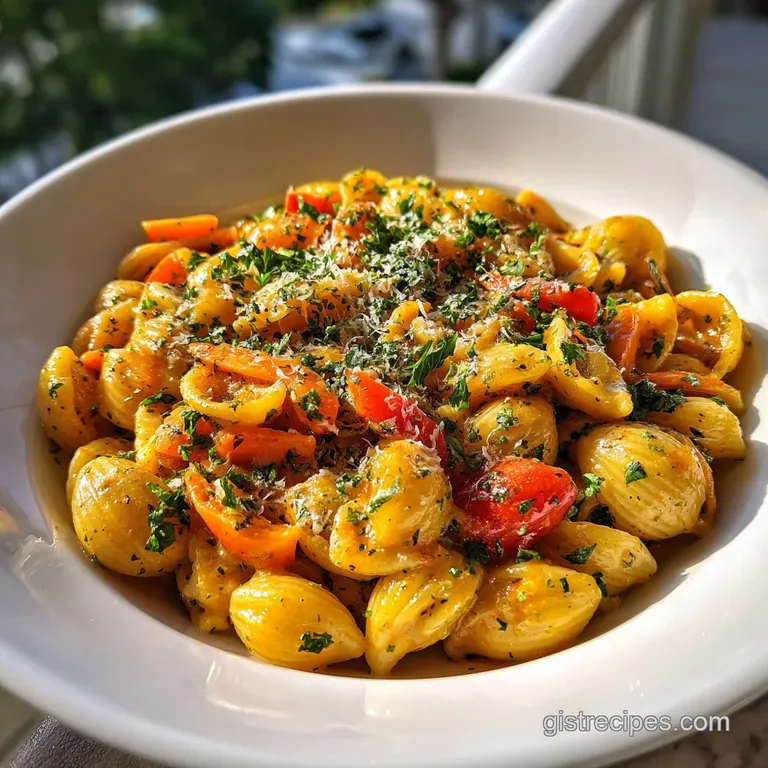
- Time: Active 15 minutes, Passive 20 minutes, Total 35 minutes
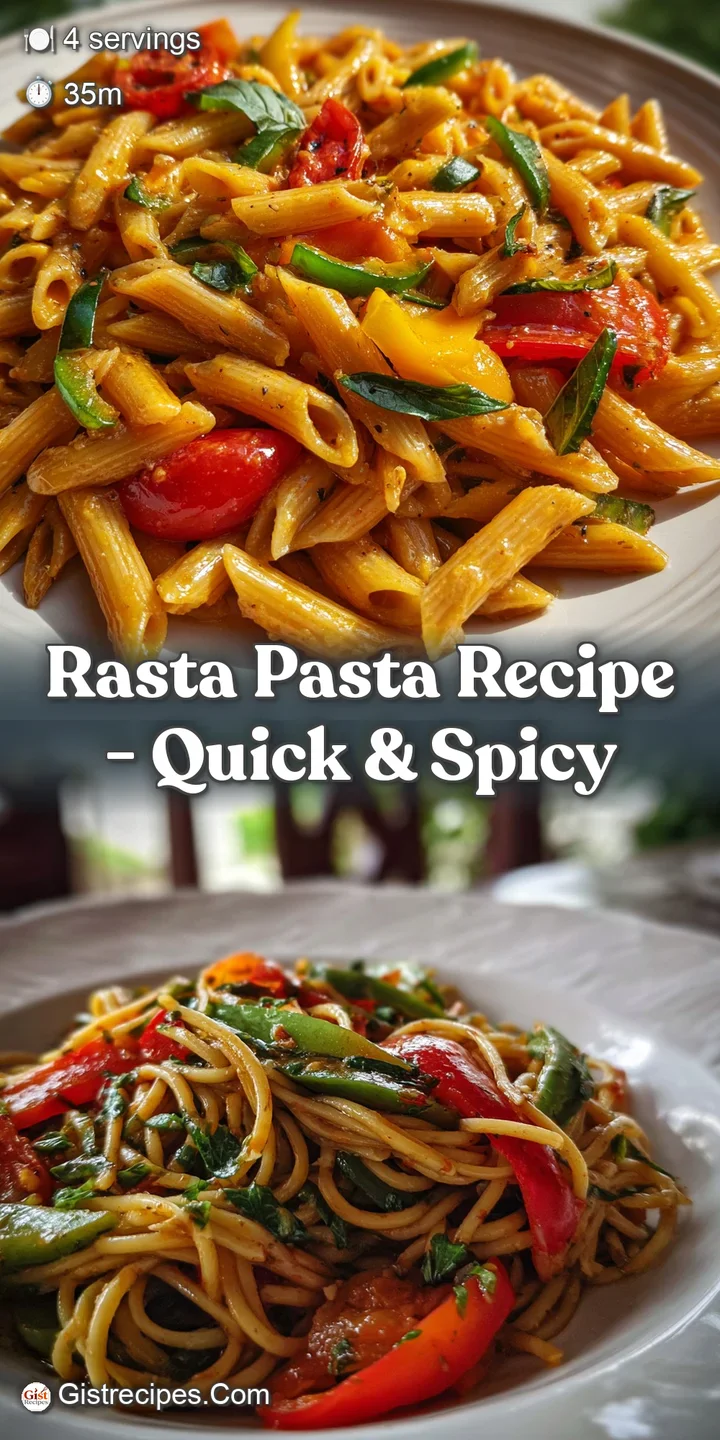
- Flavor/Texture Hook: Spicy, charred chicken meeting a glossy, parmesan heavy cream sauce
- Perfect for: High energy weeknight dinners or a viral worthy meal prep
- Unleashing Big Flavors With This Viral Rasta Pasta Recipe
- The Science Of Creating A Perfectly Stable Jerk Emulsion
- Components That Create High Contrast Caribbean Flavors
- Shopping List For Bold And Spicy Island Heat
- Essential Kitchen Tools For Rapid Pasta Prep
- Step By Step To Jamaican Pasta Perfection
- Fixing Common Sauce And Texture Issues
- Scaling This Recipe For Larger Groups
- Innovative Twists On This Internet Famous Dish
- Storing Leftovers Without Losing Fresh Quality
- Vibrant Sides To Balance The Heat
- Very High in Sodium
- Rasta Pasta Recipe FAQs
- 📝 Recipe Card
Unleashing Big Flavors With This Viral Rasta Pasta Recipe
Picture this: the kitchen is filled with the smoky, aromatic scent of allspice and thyme as chicken strips hit a hot pan with a violent sizzle. That’s the moment I knew this dish was going to be a permanent part of my rotation.
I first tried a version of this at a crowded street festival, and the contrast was mind blowing. One second your tongue is dancing with the fiery kick of Jamaican jerk seasoning, and the next, it’s being soothed by a rich, velvety heavy cream sauce that coats every single ridge of the penne.
We've all had those pasta dishes that feel a bit one note or flat. This isn't one of them. The beauty of this rasta pasta recipe lies in the tension between the bright, snappy bell peppers and the deep, earthy tones of the smoked paprika.
It’s loud, it’s colorful mimicking the red, gold, and green of the Rastafarian flag and it’s incredibly satisfying to pull together when you’re craving big flavors but don't have hours to spend at the stove.
The first time I made this at home, I messed up the sauce. I let it boil too hard, and it split into an oily mess. I learned the hard way that the magic happens in the emulsion. Now, I’m sharing the tricks that make this dish restaurant quality every single time.
We’re talking about that glossy finish that clings to the pasta like a second skin. Let’s get into why this works and how you can nail it on your first try.
The Science Of Creating A Perfectly Stable Jerk Emulsion
Starch Binding: Pasta water contains released starches that act as a natural emulsifier, physically linking the fats in the heavy cream to the liquids in the sauce. This prevents the sauce from breaking or becoming "greasy" when it hits the high heat of the pan.
The Maillard Reaction: Searing the chicken seasoned with jerk spices at high heat creates complex flavor compounds through the browning of proteins and sugars. These "fond" bits left in the pan dissolve into the cream, providing a deep, savory backbone that a simple sauce would lack.
| Cooking Strategy | Total Time | Texture Profile | Best Used For |
|---|---|---|---|
| The Fast Version | 35 minutes | Snappy peppers, juicy chicken | Quick weeknight hits |
| Classic Braised | 1 hours 10 mins | Soft, sweet melted peppers | Sunday family dinners |
| Vegetarian Prep | 25 minutes | Crisp tender veg focus | Light, high protein lunch |
This table helps you decide how to approach your meal based on how much time you've got. If you’re like me and usually running behind, the 35 minute fast version is a total lifesaver without sacrificing an ounce of flavor.
Components That Create High Contrast Caribbean Flavors
| Ingredient | Science Role | Pro Secret |
|---|---|---|
| Jamaican Jerk Seasoning | Provides acid, heat, and aromatics | Bloom it in the oil first to release fat soluble flavor compounds. |
| Heavy Cream (35% fat) | Creates a stable, fatty base | Never use cold cream; let it reach room temperature to prevent curdling. |
| Parmesan Cheese | Adds salt and acts as a thickener | Use a microplane for a "snow" texture that melts instantly into the sauce. |
| Pasta Water | Acts as a structural glue | It must be "salty like the sea" to season the pasta from the inside out. |
Shopping List For Bold And Spicy Island Heat
To get that internet famous look and taste, you’ll need a few specific items. Don't skip the colored peppers; the visual contrast is half the fun of this dish.
- 1.5 lbs chicken breasts: Cut into thin strips. Why this? Lean protein that absorbs the jerk spices quickly without getting tough. (Substitute: Shrimp for a quicker 2 minute cook time).
- 3 tbsp Jamaican jerk seasoning: Divided use. Why this? The soul of the dish; provides heat and deep spice notes. (Substitute: DIY blend of allspice, thyme, and cayenne).
- 1 tbsp olive oil: For searing.
- 1 lb penne pasta: Why this? The tubes and ridges are designed to trap the thick cream sauce. (Substitute: Rigatoni for even more sauce trapping power).
- Bell peppers (Red, Yellow, Green): 1 of each, sliced thin. Why this? Adds sweetness and the iconic "Rasta" color palette.
- 3 green onions: Separated whites and greens.
- 2 cloves garlic: Minced.
- 1.5 cups heavy cream: Why this? Provides the necessary fat for a luxurious, velvety mouthfeel. (Substitute: Full fat coconut milk for a nutty, dairy-free twist).
- 0.5 cup parmesan cheese: Freshly grated.
- 0.5 tsp smoked paprika: For a subtle wood fired depth.
- 0.25 cup reserved pasta water: The secret to a glossy finish.
| Original Ingredient | Substitute | Why It Works |
|---|---|---|
| Heavy Cream (1.5 cups) | Coconut Milk (Full fat, 1.5 cups) | Similar fat content. Note: Adds a tropical, nutty flavor profile. |
| Chicken Breasts | Firm Tofu (Pressed) | Absorbs spices well. Note: Texture is softer; sear longer for a crust. |
| Penne Pasta | Chickpea Pasta | High protein and fiber. Note: Tends to break easier; cook 2 mins less. |
While heavy cream is the traditional choice for that rich, dairy forward finish, the coconut milk swap is actually very common in Jamaica and adds a beautiful layer of complexity. Just be sure to use the canned version, not the stuff in the carton.
Essential Kitchen Tools For Rapid Pasta Prep
You don't need a professional kitchen, but having a large, deep skillet or a wide Dutch oven is a game changer. You need enough surface area to sear the chicken without crowding it, which leads to steaming rather than browning.
A sturdy microplane for the parmesan is also vital; pre shredded cheese is coated in cellulose (wood pulp) that prevents it from melting smoothly into your sauce.
Chef's Tip: Freeze your block of parmesan for 10 minutes before grating. It makes the cheese firmer and easier to shred into that delicate "snow" that incorporates perfectly.
step-by-step To Jamaican Pasta Perfection
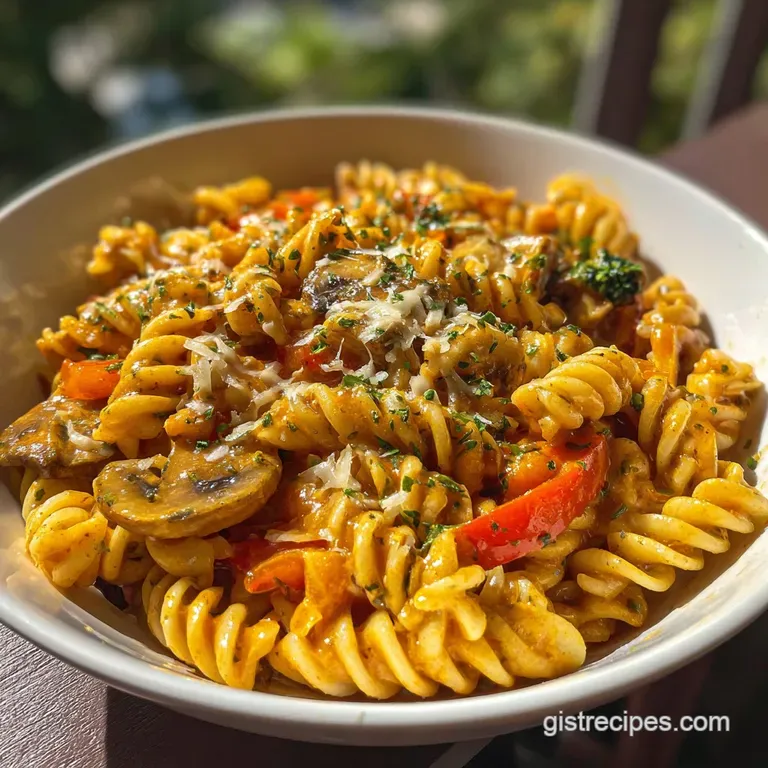
- Season the protein. Toss the 1.5 lbs chicken strips with 2 tbsp of the jerk seasoning until every piece is fully coated. Note: Let it sit for 5 minutes to penetrate the meat.
- Boil the pasta. Cook 1 lb penne in heavily salted water for about 8 minutes until it reaches a firm al dente texture.
- Reserve the gold. Scoop out 0.25 cup of the starchy pasta water before draining the penne.
- Sear the chicken. Heat 1 tbsp olive oil in a large skillet over medium high heat and cook the chicken until it is golden brown and reaches 165°F (74°C). Remove and set aside.
- Sauté the aromatics. In the same pan, add the sliced bell peppers, garlic, and the whites of the green onions. Cook for 3 minutes until the peppers are snappy but slightly charred.
- Deglaze and season. Stir in the remaining 1 tbsp of jerk seasoning and 0.5 tsp smoked paprika, scraping up the brown bits from the bottom of the pan.
- Build the sauce. Pour in 1.5 cups heavy cream and bring to a gentle simmer for 2 minutes until the liquid begins to thicken slightly.
- Melt the cheese. Turn the heat to low and whisk in 0.5 cup parmesan cheese until the sauce is completely silky.
- The big marriage. Toss the cooked penne and chicken back into the pan, adding the 0.25 cup pasta water.
- Final finish. Toss everything together for 1 minute over low heat until the sauce turns glossy and coats the pasta perfectly. Garnish with the green onion tops.
Fixing Common Sauce And Texture Issues
Why Your Sauce Is Too Thin
If your sauce looks like soup, it usually means the cream hasn't reduced enough or you didn't add enough parmesan. The cheese acts as a structural stabilizer.
| Problem | Root Cause | Solution |
|---|---|---|
| Oily/Separated Sauce | Heat was too high | Add a splash of cold cream and whisk vigorously off the heat. |
| Tough Chicken | Overcooked during sear | Cut strips thicker and remove from pan the moment they hit 165°F. |
| Bland Pasta | Water wasn't salted | Add a pinch of salt directly to the sauce at the end and toss well. |
Common Mistakes Checklist
- ✓ Don't rinse the pasta: Rinsing washes away the starch needed to make the sauce cling.
- ✓ Avoid high heat with dairy: Boiled cream can separate; keep it at a gentle simmer.
- ✓ Use fresh garlic: Jarred garlic has a metallic aftertaste that ruins the bright flavors.
- ✓ Don't overcrowd the pan: Work in two batches for the chicken if your skillet is small.
- ✓ Grate your own cheese: Pre shredded cheese results in a grainy, sandy sauce.
Scaling This Recipe For Larger Groups
When doubling this rasta pasta recipe, do not simply double the oil and salt. For 8 servings, use 2 tbsp of oil and 1.5x the salt/spices, then adjust to taste at the end. Use a very large pot for the sauce so the surface area allows for proper evaporation.
If you are scaling down for two people, use a small 8 inch skillet. Since smaller amounts of liquid evaporate faster, you might need an extra splash of pasta water to keep the sauce from turning into a paste. For the egg in the pasta (if making fresh), beat one and use half, though dry penne is standard here.
| Servings | Chicken Amount | Pasta Amount | Cream Amount | Pan Size |
|---|---|---|---|---|
| 2 people | 0.75 lb | 0.5 lb | 0.75 cup | 10 inch skillet |
| 4 people | 1.5 lbs | 1 lb | 1.5 cups | 12 inch deep skillet |
| 8 people | 3 lbs | 2 lbs | 3 cups | 6 quart Dutch oven |
Innovative Twists On This Internet Famous Dish
One of the best things about this rasta pasta recipe is how easily it adapts to different diets and cravings. While the chicken version is the viral classic, you can mix it up depending on what's in your fridge.
- The Seafood Twist: Swap the chicken for 1 lb of large shrimp. Sear them for only 2 minutes per side they should be pink and opaque. Overcooked shrimp turn into rubber erasers, so be quick!
- Vegetarian Big Flavors: Double the amount of bell peppers and add sliced cremini mushrooms. The mushrooms provide that "meaty" texture and absorb the jerk seasoning like a sponge.
- A Completely Vegan Rasta Pasta: Use full fat coconut milk instead of heavy cream and nutritional yeast instead of parmesan. Ensure your jerk seasoning is vegan friendly (some contain honey or anchovy extracts).
- Beef or Steak Version: Use thinly sliced flank steak. Sear it fast on high heat to get a crust while keeping the inside tender.
Storing Leftovers Without Losing Fresh Quality
Fridge: Store in an airtight container for up to 3 days. The pasta will absorb the sauce as it sits, so it will be thicker the next day. Freezer: I don't recommend freezing this dish. Cream based sauces often break and become grainy when thawed and reheated.
Zero Waste Tip: If you have leftover bell pepper scraps or onion ends, don't toss them! Toss them into a freezer bag to make a spicy veggie stock later, or finely mince them and add them to your morning omelet for a "jerk style" breakfast.
Reheating: The best way to revive this pasta is on the stovetop. Add a splash of milk or water to the pan over medium low heat. This loosens the sauce and brings back that velvety texture. Avoid the microwave if possible, as it tends to make the chicken rubbery and the sauce oily.
Vibrant Sides To Balance The Heat
Because this rasta pasta recipe is so rich and spicy, you want sides that offer a fresh contrast or a sweet relief.
- Fried Plantains: The caramelized sweetness of ripe plantains is the ultimate partner for the spicy jerk seasoning. It’s the classic "sweet and savory" combo that works every time.
- Vinegar Based Slaw: A crisp cabbage slaw with a lime vinegar dressing cuts through the heavy fat of the cream sauce and cleanses the palate.
- Garlic Bread: Use a crusty baguette to soak up every last drop of that glossy sauce. It’s a "carb on-carb" situation, but honestly, it's worth it.
Decision Shortcut: If you want a thicker, restaurant style sauce, whisk in an extra 0.25 cup of parmesan at the very end. If you want it less spicy, remove the seeds from the peppers and use a "mild" jerk blend.
If you want maximum color, use 4 different colors of peppers including orange and purple if you can find them.
Very High in Sodium
1140 mg 1140 mg of sodium per serving (50% 50% of daily value)
The American Heart Association recommends limiting sodium intake to about 2,300mg per day for overall cardiovascular health.
Tips to Reduce Sodium in Your Jerk Chicken Pasta
-
Reduce Jerk Seasoning-25%
Jerk seasoning is a significant source of sodium. Reduce the amount from 3 tbsp to 1.5 tbsp, adjusting to your taste, for a substantial reduction. Consider using a low-sodium jerk seasoning if available.
-
Lower Sodium Cheese-15%
Parmesan cheese contributes a considerable amount of sodium. Substitute it with a lower sodium cheese option like fresh mozzarella or part skim ricotta, or reduce the quantity used to ¼ cup. This can significantly lower the overall sodium content of the dish.
-
Rinse Pasta-10%
After cooking the pasta, rinse it thoroughly with water before adding it to the sauce. This helps to wash away any excess sodium that may have leached into the pasta during cooking.
-
Add Fresh Herbs & Spices
Enhance the flavor of your pasta with fresh herbs like thyme, allspice, and additional spices to compensate for the reduction in jerk seasoning, without adding any sodium. Experiment with different combinations to find your perfect balance of flavors.
Rasta Pasta Recipe FAQs
What are the ingredients in Rasta pasta?
Key ingredients include penne pasta, chicken strips, Jamaican jerk seasoning, bell peppers (red, yellow, green), garlic, green onions, heavy cream, and parmesan cheese. Smoked paprika is also used for depth.
What kind of pasta is best for Rasta pasta?
Penne pasta is ideal. Its tubular shape and ridges are designed to trap and hold the thick, creamy sauce effectively. Rigatoni is a good substitute for even more sauce retention.
What is the best cheese to use for Rasta pasta?
Freshly grated parmesan cheese is best. It adds saltiness and acts as a thickener, creating a silky sauce. Avoid pre-shredded cheese as it contains cellulose, which prevents smooth melting.
Do you put coconut milk in rasta pasta?
Yes, coconut milk can be used as a substitute. Full fat canned coconut milk provides a similar fat content to heavy cream, adding a nutty, tropical flavor, especially in dairy-free versions.
How do I make the sauce glossy?
Reserve pasta water and add it at the end. The starchy water acts as an emulsifier, binding the fats and liquids to create a glossy finish that clings to the pasta.
How do I prevent the sauce from separating?
Avoid high heat when adding dairy and cheese. Simmer the cream gently, and turn the heat to low before whisking in the parmesan. If it separates, whisk in a splash of cold cream off the heat.
Can I make Rasta pasta without meat?
Yes, you can easily make it vegetarian or vegan. For vegetarian, double the bell peppers and add mushrooms. For vegan, use full fat coconut milk and nutritional yeast instead of parmesan.
Rasta Pasta Recipe
Ingredients:
Instructions:
Nutrition Facts:
| Calories | 1048 kcal |
|---|---|
| Protein | 61.4 g |
| Fat | 46.2 g |
| Carbs | 94.5 g |
| Fiber | 5.2 g |
| Sugar | 6.8 g |
| Sodium | 1140 mg |
