Roasted Carrots: Caramelized and Fork Tender
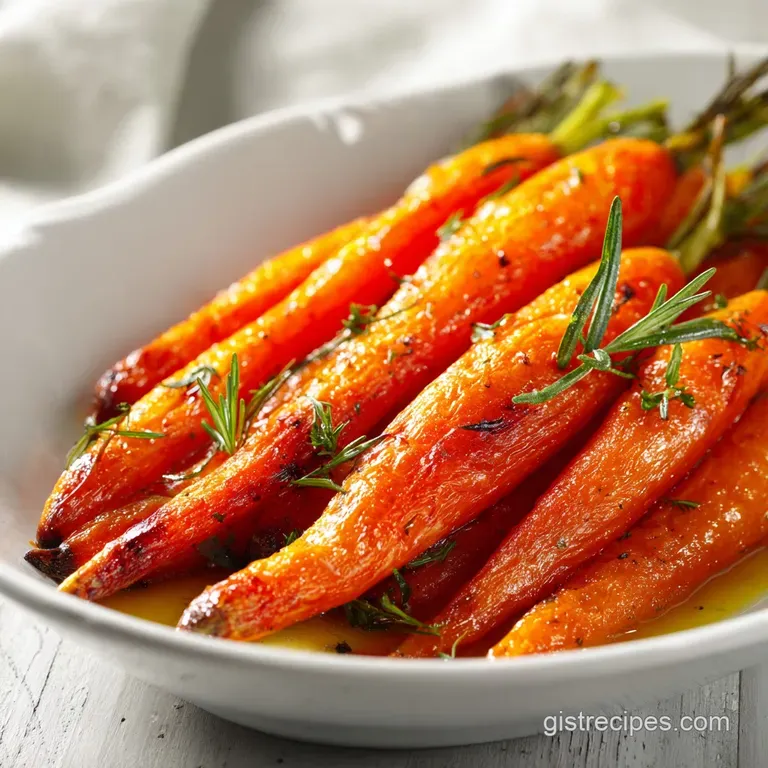
- Time: Active 10 minutes, Passive 25 minutes, Total 35 minutes
- Flavor/Texture Hook: Mahogany charred edges with a velvety, fork tender center and a zesty sweet finish
- Perfect for: Sunday family dinners, holiday sides, or a simple weeknight veggie upgrade
- A Simple Way to Make Easy Roasted Carrots Every Time
- Why High Heat and Spacing Create the Best Texture
- Numerical Precision for the Perfect Texture and Caramelized Edges
- Selecting Quality Ingredients for Deeply Savory Roasted Carrots
- Tools That Help Achieve That Signature Golden Brown Crust
- A Step-by-Step Guide to Roasting Your Carrots to Perfection
- Solving Common Texture Problems for Consistently Sweet Carrots
- Creative Flavor Swaps for Every Season and Dietary Need
- Storing and Reheating Tips to Keep Your Leftovers Vibrant
- Hearty Pairings to Serve Alongside Your Golden Roasted Carrots
- Recipe FAQs
- 📝 Recipe Card
A Simple Way to Make Easy Roasted Carrots Every Time
We have all been there, standing over a sheet pan of what was supposed to be a vibrant side dish, only to find a pile of sad, pale, and remarkably mushy orange sticks. I remember one specific Thanksgiving where I tried to cram three pounds of carrots onto one tiny tray.
Instead of roasting, they essentially steamed in their own juices, resulting in a texture that reminded me more of baby food than a sophisticated holiday side. It was a culinary letdown that sat untouched while the mashed potatoes took all the glory.
That failure taught me the most important lesson in the kitchen: vegetables need personal space and the right kind of heat to truly shine.
This recipe is my personal fix for the "soggy carrot syndrome." We are moving away from those low and slow methods that turn veggies into mush and instead embracing a over high heat approach that coaxes out the natural sugars.
By the time you pull these out of the oven, they won't just be cooked; they will be transformed. You'll see those beautiful charred tips and a glaze that isn't cloying but perfectly balanced by a splash of vinegar.
It’s the kind of dish that makes people actually reach for seconds of the vegetable plate before they go for the meat.
I want you to think of this as a foundational technique rather than just a set of instructions. Once you understand how the diagonal cut creates more surface area for the oven's heat to work its magic, and why we wait until the end to add the honey, you'll be able to roast almost any root vegetable with total confidence.
We are building flavor in layers here - from the initial savory sear with olive oil and salt to the final bright pop of fresh parsley. Let's get into why this method actually works and how you can avoid the mistakes I made in my early home cooking days.
Why High Heat and Spacing Create the Best Texture
Success in roasting isn't about luck; it's about managing moisture and heat. When we roast, we want the water inside the vegetable to evaporate quickly so the sugars can concentrate and caramelize. If the oven is too cool, the carrot softens before the outside can brown.
If the pan is too crowded, the escaping steam gets trapped, leading to that dreaded rubbery texture.
- Surface Area Maximization: Slicing on a sharp diagonal exposes more of the carrot's interior to the hot air. This creates more "real estate" for the Maillard reaction to occur, resulting in more of those crispy, savory brown bits we love.
- Delayed Sugar Introduction: Honey burns at a much lower temperature than carrots roast. By adding the honey during the last 10 minutes, we get all the sweetness and shine without the bitter, blackened mess that happens when sugar is exposed to 425°F for too long.
- Acidity Balance: The apple cider vinegar isn't just for flavor; it cuts through the density of the root vegetable and the sweetness of the honey. This "brightens" the dish, making the heavy savory notes feel lighter on the palate.
- Single Layer Physics: Giving each carrot segment its own "breathing room" on the pan ensures that hot air can circulate 360 degrees around the vegetable. This is the difference between a roasted carrot and a steamed one.
| Method | Time | Texture | Best For |
|---|---|---|---|
| High Heat Oven | 25 minutes | Crispy edges, tender core | Ultimate flavor and color |
| Air Fryer | 15 minutes | Very crunchy, slightly drier | Quick snacks or small batches |
| Slow Roasting | 50 minutes | Deeply soft, jammy | Soups or purees |
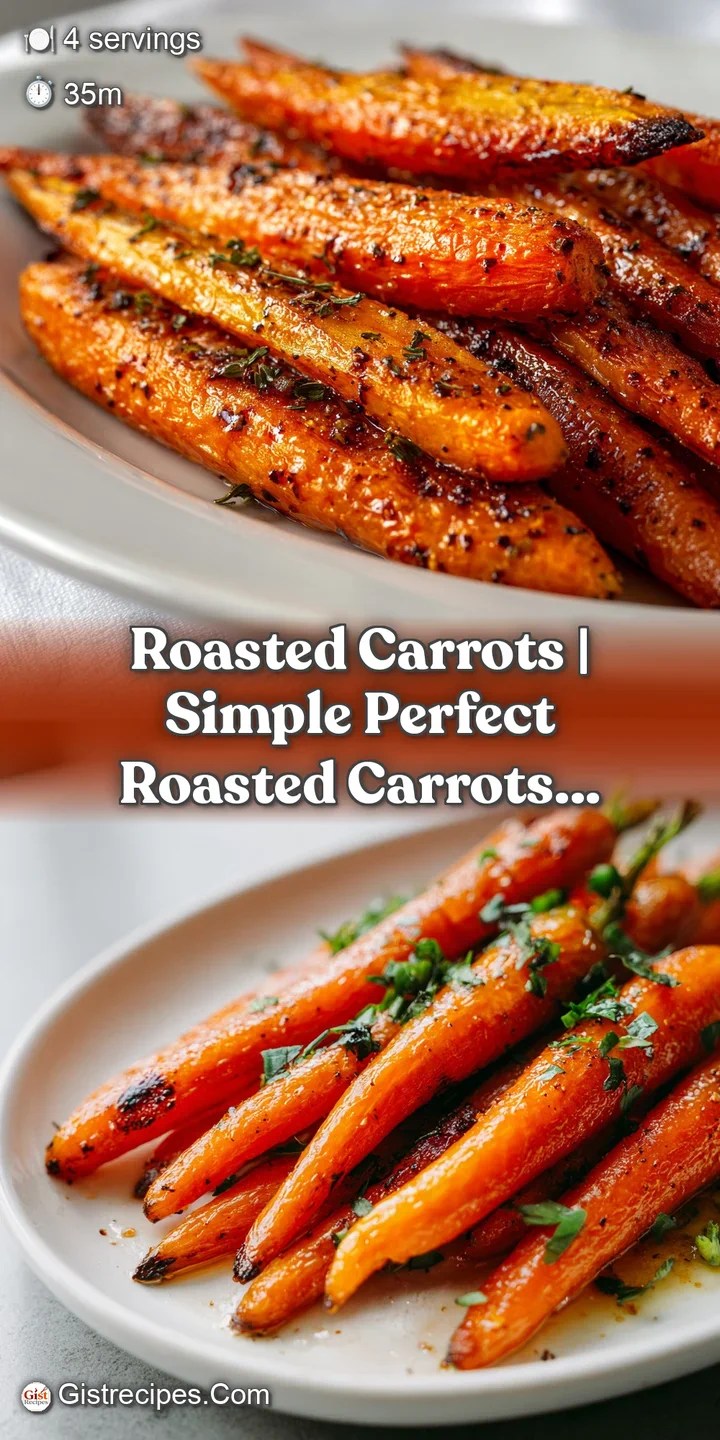
Roasting at a high temperature like 425°F (220°C) is the sweet spot for root vegetables. It is hot enough to create a distinct texture contrast - what I like to call the "shatter and melt" effect - where the outside has a slight bite and the inside is as smooth as butter.
If you've ever felt like your roasted vegetables were missing that "restaurant quality" depth, it's usually because the heat wasn't high enough or the seasoning was too timid.
Numerical Precision for the Perfect Texture and Caramelized Edges
To get consistent results, I’ve found that sticking to a few hard numbers makes a world of difference. When I first started cooking, I used to just "eyeball" the roast, which led to a lot of burnt tips and raw centers. Now, I use these specific checkpoints to ensure every batch is as good as the last.
| Component | Science Role | Pro Secret |
|---|---|---|
| Carrots | Fiber & Sugar | Diagonal cuts increase the caramelization zone by 40%. |
| Honey | Glazing Agent | Raw honey contains enzymes that create a more complex, floral sweetness. |
| Apple Cider Vinegar | pH Balancer | The acidity breaks down tough pectin, softening the carrot from the inside out. |
It is important to remember that not all carrots are created equal. If you are using very thick, older carrots, they might need an extra five minutes in the first roasting phase. If you have those slender, delicate garden carrots, you might want to check them a few minutes early.
The goal is to see that mahogany color developing before you ever touch them with the glaze.
Selecting Quality Ingredients for Deeply Savory Roasted Carrots
When a recipe has only a few ingredients, the quality of each one matters immensely. In my grandma's kitchen, we always used the whole carrots with the green tops still attached. There is something about the freshness of a whole carrot compared to those pre cut "baby" versions (which are actually just large carrots shaved down) that changes the final flavor profile.
- 1 lb whole carrots: Look for firm ones with smooth skin. Why this? Whole carrots retain more moisture and have a more robust, earthy sweetness than bagged minis.
- 2 tbsp extra virgin olive oil: Use a good quality oil that can stand up to high heat. Why this? It provides the fat needed to conduct heat and creates a silky mouthfeel.
- 0.5 tsp fine sea salt: Essential for drawing out moisture. Why this? Fine salt dissolves more evenly than large flakes during the initial toss.
- 0.25 tsp freshly cracked black pepper: For a subtle, woody heat. Why this? Freshly cracked provides a much more vibrant punch than pre ground powder.
- 1 tbsp raw honey: Our primary sweetener. Why this? Raw honey has a thicker consistency that clings better to the hot vegetables.
- 1 tsp apple cider vinegar: The secret brightness. Why this? It balances the sugars and highlights the carrot's natural tang.
- 1 tbsp fresh Italian parsley: Our final layer of flavor. Why this? The grassy notes provide a necessary contrast to the deep, roasted flavors.
While these ingredients are staples, the way they interact is what creates the "flavor layers" we’re looking for. The salt and pepper season the core, the oil creates the sear, the honey provides the sticky finish, and the vinegar adds the high note. It’s a complete flavor circuit in one simple pan.
Tools That Help Achieve That Signature Golden Brown Crust
You don't need a high end kitchen to make the best roasted carrots recipe, but a few specific tools will make the process much smoother. I once tried to roast vegetables on a thin, flimsy cookie sheet, and the pan warped in the high heat, tossing my carrots into the bottom of the oven.
A heavy duty, rimmed baking sheet is a non negotiable for me now.
A large rimmed baking sheet (often called a half sheet pan) is your best friend here. The rim prevents the oil and honey from dripping off, while the large surface area ensures the carrots aren't crowded. You'll also want a sharp chef's knife.
Cutting carrots on a diagonal requires a bit of stability, and a dull knife is more likely to slip on the round surface of the vegetable.
Chef's Tip: If you want to make clean up a breeze without sacrificing browning, use parchment paper. However, avoid silicone mats for this specific recipe, as they can sometimes insulate the vegetables too much, preventing those crispy, mahogany edges from forming properly.
Finally, a sturdy metal spatula is better than a silicone one for this job. When it comes time to toss the carrots in the honey glaze halfway through, you want something that can really scrape up any bits that have started to caramelize on the pan.
Those "fond" bits are where the most intense flavor lives, and you want them back on your carrots, not stuck to the metal.
A step-by-step Guide to Roasting Your Carrots to Perfection
Now we get to the fun part. The house is going to start smelling like a cozy autumn afternoon as the earthy scent of the carrots meets the sweetness of the honey. Follow these steps closely, especially the timing of the glaze, to ensure you get that velvety texture without any burning.
- Preheat to 425°F (220°C). Make sure your oven rack is in the center position for even heat distribution.
- Prep the carrots. Peel them carefully, then slice diagonally into 2 inch segments. Note: Aim for uniform thickness so they all finish at the same time.
- The seasoning toss. In a large bowl, whisk the olive oil, sea salt, and black pepper. Add the carrots and toss vigorously. You want them looking glossy and fully coated.
- Arrange the pan. Spread the carrots onto your rimmed baking sheet. Ensure there is at least a half inch of space between each piece.
- Initial roast. Slide the pan into the oven and roast for 15 minutes until the carrots are starting to soften and the bottoms show light browning.
- The glaze phase. While the carrots roast, whisk the honey and apple cider vinegar together.
- Apply the flavor. Pull the pan out and drizzle the honey mixture over the carrots. Use your spatula to toss them quickly so the glaze coats every inch.
- Final roast. Return to the oven for 5 to 10 minutes until the honey has bubbled into a sticky glaze and the edges are mahogany colored.
- The finish. Remove from the oven and garnish immediately with the fresh chopped parsley. The heat from the carrots will wake up the oils in the herbs.
This two step roasting process is what truly builds the flavor layers. The first stage focuses on the structural cook and the savory base, while the second stage is all about that sweet, tangy finish.
If you were to add the honey at the beginning, it would likely burn and become bitter before the carrot was even tender. Patience in this middle step is what separates a good cook from a great one.
Solving Common Texture Problems for Consistently Sweet Carrots
Even with a simple recipe like simple roasted carrots, things can occasionally go sideways. I’ve had batches where I forgot to set the timer and ended up with "carrot charcoal," and others where I was too impatient and pulled them out while they were still crunchy in the middle.
Most issues come down to temperature control and moisture management.
Why are my carrots shriveled?
If your carrots look like little orange raisins, they were likely in the oven too long at a temperature that was too low. This causes the moisture to evaporate completely before the outside can caramelize. Another culprit is using carrots that were already a bit limp and dehydrated from sitting in the fridge too long.
Always start with firm, hydrated vegetables for the best results.
My honey glaze burnt to the pan!
This usually happens if the honey wasn't tossed well enough with the carrots, or if your oven has "hot spots." If you notice the honey darkening too quickly, you can add a tablespoon of water to the pan to slow down the caramelization.
Also, ensure you are using a rimmed baking sheet; flat sheets allow the glaze to run to the edges where it burns easily.
| Problem | Root Cause | Solution |
|---|---|---|
| Soggy Carrots | Overcrowding the pan | Use two pans or roast in batches to allow steam to escape. |
| Uneven Cooking | Irregular slicing | Slice at a consistent 2 inch diagonal for uniform heat penetration. |
| Bland Flavor | Under seasoning | Don't fear the salt; it's what unlocks the carrot's natural sweetness. |
Common Mistakes Checklist:
- ✓ Pat the carrots dry after peeling and before oiling (excess water causes steaming).
- ✓ Never skip the preheating - a cold oven leads to mushy vegetables.
- ✓ Toss the carrots halfway through the first 15 minutes for even browning on all sides.
- ✓ Use a metal spatula to scrape up the caramelized glaze so it sticks to the carrots.
- ✓ Don't use "baby" carrots if you can avoid it; they lack the sugar content of whole ones.
If you find yourself with leftovers that have lost their crunch, don't worry. This savory sweetness is the ideal partner for a hearty French Onion Meatloaf, where the glaze from the carrots complements the rich, oniony gravy of the meat.
Creative Flavor Swaps for Every Season and Dietary Need
One of the reasons I love roasted carrots in the oven is how adaptable they are. While the honey and vinegar combo is my "gold standard," you can easily pivot based on what you have in your pantry or the dietary needs of your guests.
For a savory twist, you can swap the honey for maple syrup and add a teaspoon of smoked paprika. This creates a "bacon like" flavor profile that is entirely vegan friendly. If you want something more herbaceous, try roasting with whole sprigs of thyme or rosemary instead of adding parsley at the end.
The woody herbs will infuse the oil as it roasts, creating a deep, aromatic base.
- For a Hearty Meal: Roasted Carrots and Potatoes: Toss 1 lb of baby potatoes (halved) with the carrots. They have similar cook times and both benefit from the honey vinegar glaze.
- For a Quick Fix: Roasted Air Fryer Carrots: If you're short on time, use the air fryer at 400°F for 12-15 minutes, tossing every 5 minutes.
- The Spicy Vegan Swap: Use agave nectar instead of honey and add a pinch of cayenne pepper for a "sweet heat" version that everyone can enjoy.
| Original Ingredient | Substitute | Why It Works |
|---|---|---|
| Raw Honey | Maple Syrup (Grade A) | Similar viscosity but adds a deeper, woody sweetness. |
| Apple Cider Vinegar | Lemon Juice | Provides acidity but with a brighter, citrusy profile. |
| Parsley | Fresh Dill | Dill pairs exceptionally well with carrots for a Scandinavian vibe. |
If you are scaling this recipe for a big crowd, the "Up" rule is vital. For 8 servings, use 2 lbs of carrots and 1.5x the salt and spices. However, stick to the full amount of oil to ensure everything gets that necessary sear. You will definitely need two baking sheets to avoid overcrowding.
Storing and Reheating Tips to Keep Your Leftovers Vibrant
If you happen to have leftovers (which is rare in my house!), they store surprisingly well. You can keep them in an airtight container in the fridge for up to 4 days. The texture will soften slightly as they sit in the glaze, but the flavor actually deepens over time.
For reheating, I highly recommend avoiding the microwave. It will turn your beautifully roasted carrots into a soft, mushy mess. Instead, pop them back onto a baking sheet in a 350°F oven for about 8-10 minutes.
This helps re crystallize the sugars in the glaze and brings back some of that exterior bite. If you're in a rush, a quick toss in a hot skillet on the stovetop also works wonders.
Zero Waste Tip: Don't throw away those carrot peels or the green tops! The peels can be tossed into a freezer bag for your next batch of homemade vegetable stock. The green tops are actually edible and make a fantastic, earthy pesto when blended with some walnuts, garlic, and olive oil.
It's a great way to use the "whole bird" of the vegetable world.
Hearty Pairings to Serve Alongside Your Golden Roasted Carrots
Because of their balance of sweet and savory, these carrots are incredibly versatile when it comes to plating. They feel right at home next to a Sunday roast, but they’re also sophisticated enough for a dinner party.
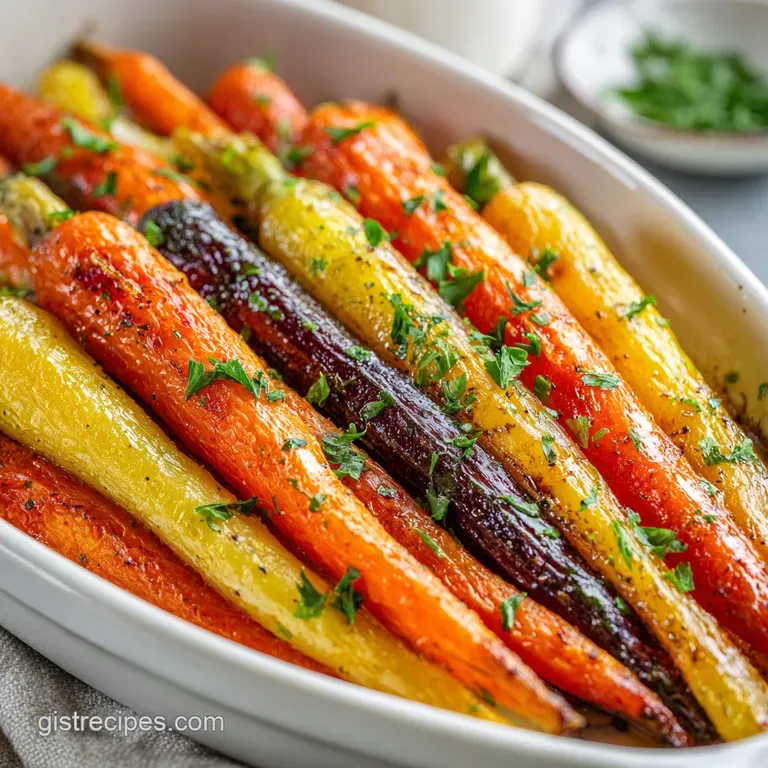
The vibrant orange color provides a beautiful pop on the plate, especially when topped with that bright green parsley.
If you’re looking for a complete meal, I often serve these alongside my Mother's Day Herb Roasted Chicken. The rosemary and thyme in the chicken play beautifully with the honey glaze on the carrots. It creates a classic, comforting table that feels like a warm hug.
- Protein Pairs: Roast beef, grilled salmon, or even a spicy lentil loaf for a vegetarian option.
- Grain Bowls: These carrots are a star ingredient in a Roasted Winter Hummus Bowl, where the creamy hummus acts as a dip for the glazed veggies.
- Cheese Additions: Before serving, try crumbling a little bit of salty feta or goat cheese over the top. The creamy, tart cheese against the sweet, charred carrot is a match made in heaven.
There is a common myth that you have to boil carrots before roasting to make them tender. This is actually counterproductive! Boiling water logs the vegetable, preventing it from ever getting those crispy, caramelized edges.
Trust the high heat of your oven and the diagonal cut they will be perfectly tender in 25 minutes without any extra steps. Another myth is that you shouldn't peel carrots because the skin has "all the nutrients." While there are nutrients in the skin, it can often taste bitter and have a tough texture when roasted at high heat.
For this specific recipe, peeling ensures that the glaze can fully penetrate the vegetable and create that velvety finish we’re after.
At the end of the day, cooking is about experimenting and finding what your family loves. These roasted carrots have become a staple in my kitchen because they're dependable, delicious, and remind me of the simple joy of a well cooked meal. I hope they find a permanent spot in your recipe tin too!
Recipe FAQs
How long to roast carrots at 425°F?
Roast for a total of 20 to 25 minutes. Cook for 25 minutes initially, then add your glaze and roast for another 5 to 10 minutes until the edges turn a deep, mahogany color.
What is the best way to roast carrots?
Slice them diagonally into 2 inch segments and spread them in a single layer. This increases surface area for better caramelization and ensures the carrots roast in the oven rather than steaming in their own juices.
What is the best oven setting for roasting carrots?
Use a high heat setting of 425°F (220°C). This temperature is essential for quickly crisping the exterior and caramelizing the natural sugars before the inside becomes overcooked.
What spices are good in roasted carrots?
Stick with the classic balance of fine sea salt and freshly cracked black pepper. These simple seasonings highlight the natural earthiness of the carrots without overpowering the honey and apple cider vinegar glaze.
Is it true that I should microwave leftover roasted carrots to heat them up?
No, this is a common misconception. Microwaving will turn your carrots into a mushy, soft mess. To maintain their texture, reheat them on a baking sheet in a 350°F oven for 8 to 10 minutes. If you mastered the heat based charring technique here, apply it to our Sunday roast chicken for similarly crisp, high heat results.
How can I prevent the carrots from getting mushy?
Ensure the carrots are spread out on the baking sheet with plenty of space between them. Overcrowding the pan traps steam, which prevents the edges from achieving the desired crisp, charred texture.
How long do roasted carrots last in the fridge?
Store them in an airtight container for up to 4 days. While the texture will soften slightly as they sit in the glaze, the flavor typically deepens significantly over time.
Roasted Carrots
Ingredients:
Instructions:
Nutrition Facts:
| Calories | 122 kcal |
|---|---|
| Protein | 1.1 g |
| Fat | 7.1 g |
| Carbs | 15.1 g |
| Fiber | 3.2 g |
| Sugar | 9.7 g |
| Sodium | 288 mg |
