Spicy Tuna Crispy Rice Bites
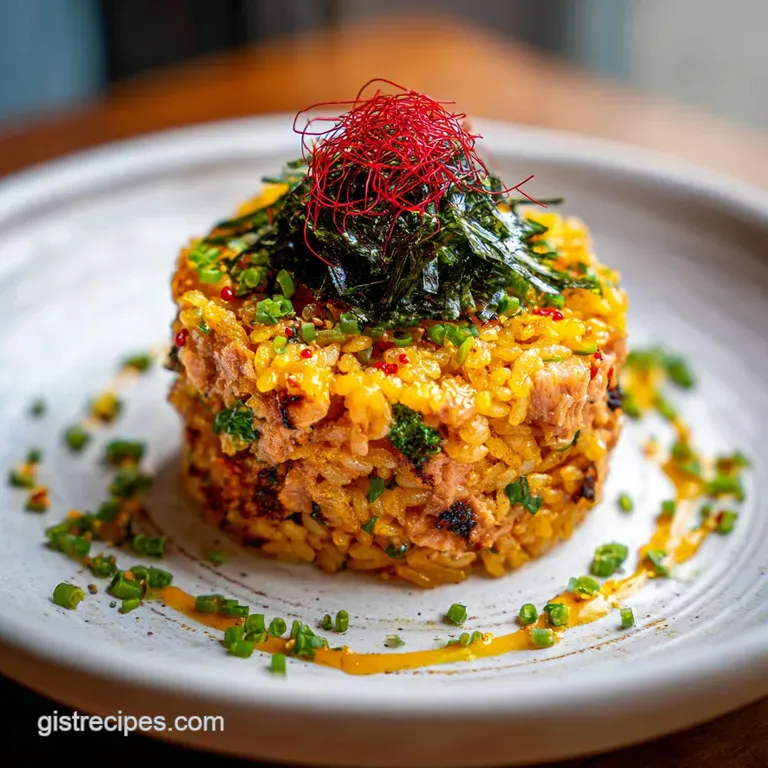
- Time: Active 30 minutes, Passive 3 hours 15 mins, Total 3 hours 45 mins
- Flavor/Texture Hook: Golden shatter crust with velvety tuna
- Perfect for: Impressing friends at a party or a high end date night at home
- Pro Secrets for Spicy Tuna Crispy Rice
- Quick Stats for Your Crispy Rice
- Essential Components for Big Flavor
- Tools for a Flawless Sushi Crunch
- Step-by-Step Guide to Crispy Rice
- Troubleshooting Your Crispy Rice Process
- Flavor Variations for Your Rice
- Storage Tips and Zero Waste
- Serving Your Viral Appetizer Bites
- Myths About Crispy Rice
- Recipe FAQs
- 📝 Recipe Card
Pro Secrets for Spicy Tuna Crispy Rice
The first time I heard that specific sound the literal shatter of rice hitting a hot pan I knew I was ruined for regular sushi. It’s that high pitched sizzle that transforms humble grains into something that tastes like a five star luxury snack. You know the one I'm talking about.
It’s the dish that took over your feed, and honestly, the hype is real because of that incredible contrast between the hot, oily crunch and the silky, cold tuna.
I’ve spent way too much money ordering this at trendy spots, but the home version is actually better because you can load up the toppings. We're talking big flavors, quick hits of heat from the jalapeño, and that glossy drizzle of eel sauce that makes everything look professional.
Most people mess this up by being too impatient with the rice, but we've got the tricks to keep those cubes from falling apart in the pan.
Trust me, once you master the rice compression, you’ll be making these for every single party. It's about that velvety texture of the Ahi tuna meeting the jagged, crispy edges of the rice. We aren't just making food here, we're building layers of texture that make your brain do a happy dance.
Let's get into how we make this happen without the restaurant price tag.
Quick Stats for Your Crispy Rice
Physics of the Crunch: Chilling the rice allows the starches to undergo retrogradation, which firms up the grain structure so it can withstand over high heat frying without disintegrating. This creates a rigid exterior "shell" while keeping the center soft and chewy.
| Method | Time | Texture | Best For |
|---|---|---|---|
| Deep Fry | 4 mins | Uniformly crunchy | Maximum viral impact |
| Pan Sear | 8 mins | Crispy edges, soft core | Quicker weeknight fix |
| Air Fry | 12 mins | Dry, cracker like | Lower fat alternative |
Building these layers is all about the chemistry of the ingredients. It isn't just about mixing things together, it's about how the fat in the mayo carries the heat of the Sriracha and how the vinegar in the rice balances the rich tuna.
Essential Components for Big Flavor
| Ingredient | Science Role | Pro Secret |
|---|---|---|
| Short grain Sushi Rice | High amylopectin starch content | Rinse 5 times to prevent gummy "glue" buildup |
| Rice Vinegar | Denatures proteins and balances pH | Fold it in while rice is steaming hot |
| Kewpie Mayonnaise | Emulsified fat with MSG kick | Use only the Japanese version for extra umami |
| Sushi grade Ahi Tuna | high-quality lean protein | Hand mince with a sharp knife for better bite |
You don't need a culinary degree to nail this, but you do need the right stuff. The rice choice is non negotiable because long grain rice just won't stick together. If you want a different flavor profile for a side dish, you might enjoy my Parmesan Garlic Rice recipe, but for this specific dish, stick to the short grain Japanese varieties.
Component Breakdown and Substitutes
- 2 cups short grain Japanese sushi rice: Essential for the sticky starch needed to form blocks.
- 2 cups water: Use a 1:1 ratio for that firm, sushi style bite.
- 3 tbsp rice vinegar: Adds that signature tang. Why this? It brightens the rice and helps preserve it during the long chilling phase.
- 1.5 tbsp granulated sugar: Balances the acidity of the vinegar.
- 1 tsp sea salt: Enhances all the other flavors.
- 0.5 lb sushi grade Ahi Tuna: This must be labeled "sushi grade" or "sashimi grade" for safety. Why this? It provides a clean, buttery flavor that doesn't smell fishy.
- 2 tbsp Kewpie Mayonnaise: Creamier and richer than American mayo.
- 1 tbsp Sriracha: For that iconic red glow and kick.
- 1 tsp toasted sesame oil: A little goes a long way for nuttiness.
- 1 tsp freshly grated ginger: Adds a zingy, fresh finish.
- 1 green onion: Finely minced for a sharp, savory bite.
- 1 fresh jalapeño: Sliced into rounds for heat.
- 1 tbsp eel sauce (nitsume): The sweet, syrupy finish.
- 1 tsp sesame seeds: For visual pop and extra crunch.
- 3 tbsp neutral oil: Use avocado or grapeseed oil for over high heat frying.
| Original Ingredient | Substitute | Why It Works |
|---|---|---|
| Ahi Tuna | Fresh Salmon | Similar fat content. Note: Gives a richer, oilier mouthfeel |
| Rice Vinegar | Apple Cider Vinegar | Similar acidity. Note: Will add a slightly fruity undertone |
| Sriracha | Sambal Oelek | Similar heat level. Note: Adds more texture from chili seeds |
If you find yourself with extra tuna but want a different vibe, you could try incorporating it into an Asian Garlic Shrimp Recipe style stir fry, though nothing beats the raw preparation for this specific dish.
Tools for a Flawless Sushi Crunch
You really don't need much, but a square or rectangular baking pan is vital for getting those clean, uniform shapes. A 9x9 inch pan works perfectly. You’ll also want plastic wrap to line the pan so the rice doesn't stick to the metal.
A heavy bottomed skillet, like a cast iron pan or a high-quality non stick, is your best friend here. It holds the heat evenly so every piece of rice gets that golden brown tan at the same time. Also, grab a very sharp knife.
If your knife is dull, you’ll end up squashing the rice blocks instead of slicing them cleanly.
step-by-step Guide to Crispy Rice
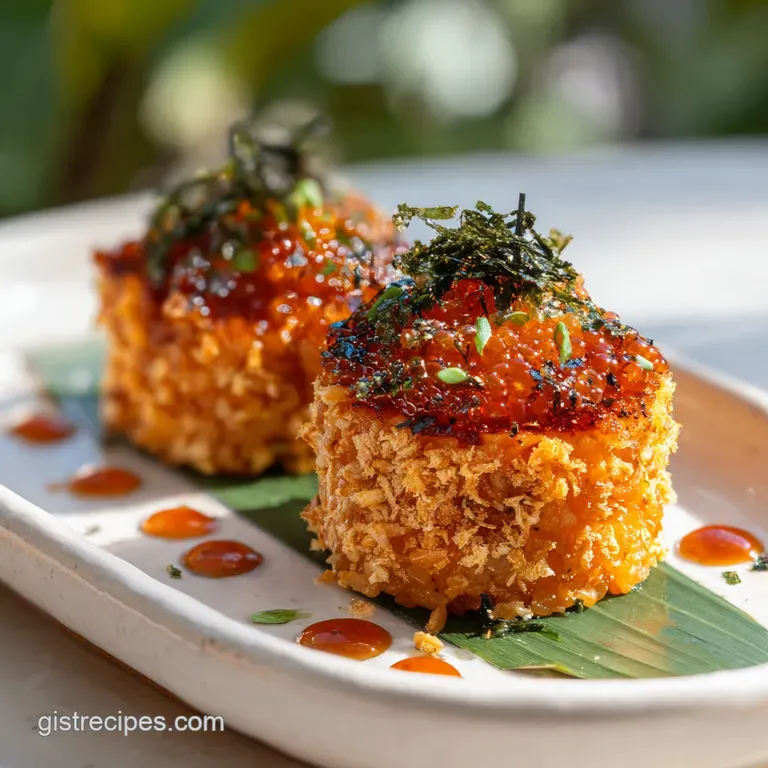
Preparing the Sushi Rice
Rinse the 2 cups of sushi rice in cold water until the water runs clear. Combine with 2 cups of water in a rice cooker or heavy pot. Cook until tender, then immediately fold in the rice vinegar, sugar, and sea salt while the rice is still steaming.
Note: Folding gently prevents the grains from breaking into a paste.
Compressing for Perfect Stability
Line a square baking pan with plastic wrap. Transfer the seasoned rice into the pan and press it down with incredible force using a flat spatula or the bottom of a measuring cup. You want it to be about 1 inch thick. Cover and chill in the fridge for at least 3 hours.
Note: This is the secret to pieces that don't fall apart.
Slicing with Precision
Remove the chilled rice block from the pan by lifting the plastic wrap. Use a sharp, wet knife to slice the rice into 18 even rectangular bites. Note: Wetting the knife prevents the starch from sticking to the blade.
Frying to Golden Perfection
Heat 3 tbsp of neutral oil in a large skillet over medium high heat. Place the rice blocks in the pan, ensuring they aren't touching. Fry for about 3-4 minutes per side until golden and crackling. Note: Don't flip them too early or they will stick.
Whipping the Spicy Tuna
While the rice cools slightly, finely mince the 0.5 lb Ahi tuna. In a bowl, combine the tuna with Kewpie mayo, Sriracha, sesame oil, grated ginger, and minced green onion. Mix until creamy but still textured.
Assembling the Masterpiece
Place a generous spoonful of the spicy tuna mixture onto each crispy rice block. Press it down slightly so it stays put.
Adding the Finishing Touches
Top each bite with a slice of fresh jalapeño. Drizzle with a tiny bit of eel sauce and sprinkle with sesame seeds. Note: The eel sauce adds that professional, glossy look.
Ready to Serve
Arrange the pieces on a platter and serve immediately. The goal is to eat them while the rice is still warm and the tuna is cold.
Troubleshooting Your Crispy Rice Process
Why Your Rice Disintegrates
If your rice blocks fall apart as soon as they hit the oil, it's almost always a temperature or compression issue. Warm rice is loose rice. If you don't chill it long enough, the starches haven't had time to "set" into a solid brick.
Also, if you don't press it down hard enough into the pan, there are air pockets that expand and break the block when heated.
| Problem | Root Cause | Solution |
|---|---|---|
| Rice sticking to pan | Not enough oil or pan not hot | Wait for oil to shimmer before adding rice |
| Tuna is watery | Tuna wasn't patted dry | Use a paper towel to remove surface moisture from fish |
| Rice is gummy | Too much water or over mixing | Stick to the 1:1 water ratio and fold gently |
Common Mistakes Checklist
- ✓ Use only short grain rice (long grain will never hold the shape)
- ✓ Press the rice into the pan with significant pressure to remove air
- ✓ Chill for the full 3 hours (no shortcuts here!)
- ✓ Use a wet knife for every single cut to keep edges clean
- ✓ Don't overcrowd the frying pan - work in batches to keep the oil hot
Flavor Variations for Your Rice
You can totally switch up the protein if tuna isn't your thing. I’ve made this with finely diced Atlantic salmon, and the extra fat makes it feel incredibly decadent. Some people even use cooked imitation crab mixed with plenty of mayo and lemon for a "California roll" style crispy bite.
If you're looking for a full meal with similar vibes, this Street Corn Chicken recipe actually pairs surprisingly well as a side because of the creamy, spicy crossover.
Creating a Spicy Tuna Bowl
If you're in a rush and don't want to fry individual cubes, just fry a large flat layer of rice in the pan. Break it into large "shards" and pile them into a bowl with the spicy tuna, avocado, and cucumber. It’s the deconstructed version that saves you 20 minutes of assembly.
Crafting a Vegan Version
Believe it or not, you can use roasted, marinated watermelon or mashed avocado to mimic the texture of the tuna. The rice process stays exactly the same. Just make sure to season your substitute with plenty of soy sauce and ginger to get that savory punch.
Storage Tips and Zero Waste
Since we are working with raw, sushi grade fish, you really need to eat the tuna part on the day you make it. Raw fish doesn't do well in the fridge once it's been mixed with mayo and aromatics. However, the rice blocks are actually better if you make them a day early!
- Fridge: Store the pressed rice (before frying) for up to 48 hours. Once fried, the rice gets hard and loses its "shatter" in the fridge, so only fry what you need.
- Freezer: You can actually freeze the un fried rice blocks! Wrap them tightly in plastic. Thaw them in the fridge before frying for a quick snack later.
- Zero Waste: If you have leftover spicy tuna but no rice, use it as a filling for an omelet or put it on top of some cucumber slices for a low carb snack.
Serving Your Viral Appetizer Bites
Presentation is half the fun with this recipe. I love using a slate board or a dark ceramic platter to make the golden rice and bright red tuna pop. It’s a bold look that screams "I know what I'm doing in the kitchen."
Chef's Tip: If you want to take it to the next level, add a tiny sliver of lemon zest on top of the jalapeño. It cuts through the rich mayo and adds a fragrance that makes the whole dish feel lighter.
But what about the sogginess? To avoid it, never top the rice until you are ready to serve. If the tuna sits on the crispy rice for more than 20 minutes, the moisture from the mayo will start to soften that beautiful crust. Keep them separate until the last possible second for the ultimate crunch.
Myths About Crispy Rice
One big misconception is that you need a deep fryer to get that "restaurant" crunch. You don't. A shallow fry in a skillet actually gives you more control and creates a better texture because the side touching the pan gets that deep, caramelized color while the edges stay a bit lighter.
Another myth is that you can use any rice. I’ve seen people try this with Jasmine rice, and it's a disaster. Jasmine rice doesn't have the amylopectin levels needed to create a cohesive block. It will just turn into a pile of fried rice in your pan.
Stick to the short grain stuff, and you'll be golden literally.
Finally,, some people think searing the tuna is better. While "seared ahi" is great, the whole point of this dish is the temperature contrast. If the tuna is warm and the rice is warm, you lose that "spark" that happens when the cold, creamy topping hits the hot, crispy base.
Trust the process and keep that fish chilled!
Recipe FAQs
Should I use microwave for pressing the rice blocks?
No, utilize manual pressure and refrigeration. Microwave heat will soften the starches you just worked hard to firm up, leading to crumbling during frying.
How long must the sushi rice chill before cutting into blocks?
Chill for a minimum of three hours, ideally longer. This lengthy chill time allows starch retrogradation to occur, which is essential for the block stability needed for frying.
How to achieve the perfect shatter on the rice without deep frying?
Use medium high heat in a skillet with enough oil to coat the bottom generously. Ensure the rice blocks are completely dry and the oil is shimmering hot before placing them in the pan for a quick sear.
Is it true that using short grain rice is non-negotiable for this recipe?
Yes, short grain sushi rice is required. Long grain rice lacks the high amylopectin content necessary to bind together cohesively when compressed and fried.
How to prevent the spicy tuna topping from making the crispy rice soggy?
Assemble immediately before serving, and use very dry tuna. If you are concerned about timing, master the technique of cold prep and only fry the rice when guests are ready to eat, similar to how we manage moisture control in our Taco Salad Dressing recipe.
Can I substitute the Ahi tuna with cooked protein?
Yes, but you sacrifice the signature temperature contrast. Cooked options like shredded chicken are fine, but the dish relies on the cold, creamy topping meeting the hot base; you might enjoy a similar flavor balancing act when making our Crockpot Salsa Verde recipe.
Why do my rice blocks stick to the knife when slicing them?
The knife blade needs lubrication to separate the starches cleanly. Dip your sharp knife into water and wipe off the excess before each cut to ensure clean separation lines on the chilled rice.
Spicy Tuna Crispy Rice
Ingredients:
Instructions:
Nutrition Facts:
| Calories | 132 kcal |
|---|---|
| Protein | 4.6 g |
| Fat | 3.8 g |
| Carbs | 18.9 g |
| Fiber | 0.3 g |
| Sugar | 1.2 g |
| Sodium | 172 mg |
