Sweet Potato Cheesecake
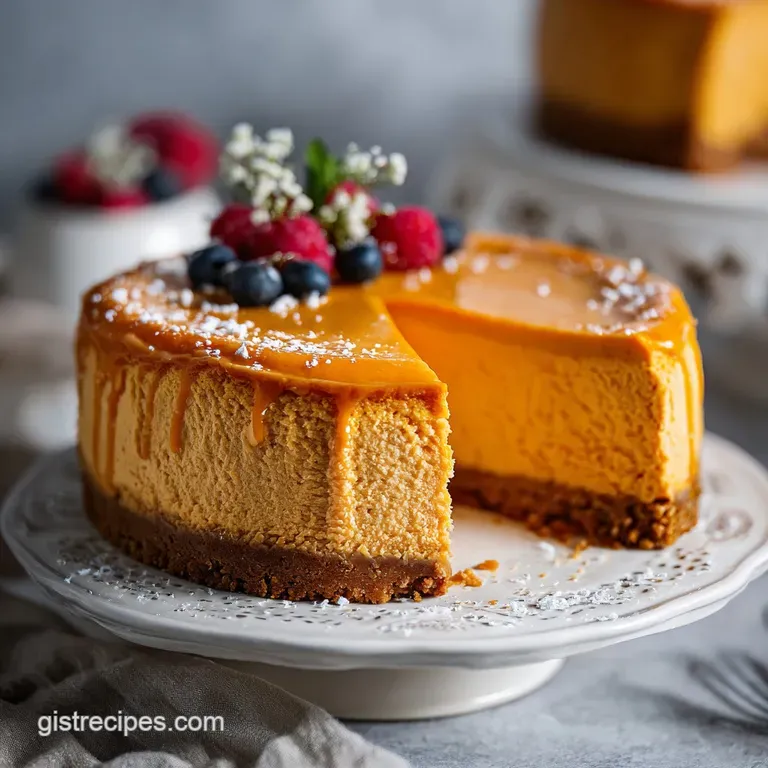
- Time: Active 30 minutes, Passive 1 hours 15 mins, Total 1 hours 45 mins
- Flavor/Texture Hook: Velvety spiced filling against a shattering gingersnap base
- Perfect for: Thanksgiving dinners, holiday parties, or weekend baking projects
- Crafting the Ultimate Creamy Sweet Potato Cheesecake
- Essential Mechanics of Silky Textures
- Recipe Specification and Precise Metrics
- Elements for the Ideal Batter
- Essential Tools for Smooth Filling
- Step-by-Step Preparation and Baking Guide
- Resolving Texture and Surface Issues
- Creative Twists and Flavor Enhancements
- Preservation Secrets
- Ideal Pairings for Dessert Success
- Recipe FAQs
- 📝 Recipe Card
Crafting the Ultimate Creamy Sweet Potato Cheesecake
The kitchen smells like a dream right now. There is this heady aroma of roasted sweet potatoes mingling with the sharp, spicy scent of cloves and nutmeg. I remember the first time I tried to make a Sweet Potato Cheesecake; I just boiled the potatoes in water like I was making a side of mash. Big mistake.
The batter ended up watery, the crust turned into a soggy mess, and the flavor was just... muted. It was a sad, beige circle of disappointment.
But then I learned the trick: roasting. When you slide those potatoes into the oven and let them caramelize in their own skins, something magical happens. The sugars concentrate, the moisture evaporates, and you get this deep, concentrated sweetness that plays so well with the tang of cream cheese.
It is the ultimate contrast the bright, earthy orange filling against the dark, crumbly, and slightly bitter gingersnap crust.
You are going to love the way this feels on the fork. It has that thick, velvety glide that marks a truly great cheesecake, but with a lighter finish thanks to a bit of Greek yogurt. It’s a treat that feels fancy but is honestly quite simple once you get the temperature and the roasting right.
We are aiming for a silky result that makes everyone at the table go quiet for a second. Let's get into how we make that happen.
Essential Mechanics of Silky Textures
Creating a Sweet Potato Cheesecake requires a bit of understanding about how starches and proteins interact under heat. It isn't just about mixing things in a bowl; it is about creating a stable emulsion that stays smooth even after it cools.
The Starch Protein Bond
Starch Gelatinization: The natural starches in the roasted sweet potato swell and absorb moisture from the cream cheese, creating a thick, structural matrix. This prevents the cheesecake from weeping or becoming runny as it sits in the fridge.
Protein Coagulation: As the eggs heat up, they form a delicate web of proteins that traps the fats and sugars. If you bake it too fast, this web tightens and squeezes out moisture, leading to those annoying cracks on the surface.
Emulsification Stability: Mixing the room temperature cream cheese with the coconut sugar first ensures that the fat molecules are evenly coated, which helps the Greek yogurt and eggs integrate without forming lumps.
Cooking Method Performance
| Method | Time | Texture Result | Best For |
|---|---|---|---|
| Oven Bake (Water Bath) | 1 hours 15 mins | Velvety, uniform, crack free | The ultimate dinner party presentation |
| Stovetop (Steam) | 55 minutes | Softer, mousse like consistency | Smaller kitchens or summer baking |
| No Bake (Setting) | 6 hours (chill) | Dense, fudge like, very sweet | Using leftover puree on a hot day |
Roasting the potatoes is non negotiable for the best flavor profile. While the stovetop steaming method is faster, the dry heat of the oven allows for the Maillard reaction to occur in the potato skins, which transfers a toasted, nutty flavor into the puree that you simply cannot get from boiling.
Recipe Specification and Precise Metrics
Before we start cracking eggs, we need to talk about the data. Precision is your best friend when it comes to any version of a Sweet Potato Cheesecake. If your measurements are off, the chemistry of the bake changes, and you might end up with a center that never quite sets.
Component Deep Dive
| Ingredient | Science Role | Pro Secret |
|---|---|---|
| Full fat Cream Cheese | Provides the structural fat and tangy base | Always use blocks, never the whipped tub version |
| Roasted Sweet Potato | Adds natural pectin and dense fiber | Roast until the skins "whisper" or pull away |
| Greek Yogurt | Introduces acidity to tenderize proteins | Strain it for 10 minutes to remove excess whey |
| Gingersnap Crumbs | Creates a high friction, spicy base | Pulse into fine dust for a tighter, snappier crust |
The Greek yogurt is a secret weapon here. Much like how a bit of acid improves the savory balance in my Rasta Pasta Recipe, the yogurt cuts through the heavy fat of the cream cheese, making the Sweet Potato Cheesecake feel much lighter on the palate.
Elements for the Ideal Batter
You’ll want to gather all these items and let them sit on your counter for at least an hour. Cold ingredients are the enemy of a smooth Sweet Potato Cheesecake.
- 200g gingersnap cookie crumbs: Why this? Provides a spicy, sharp contrast to the creamy filling.
- 56g unsalted butter, melted: Why this? Acts as the glue for the crumb base.
- 1g sea salt: Why this? Sharpens the flavors of the spices and sugar.
- 450g roasted sweet potato puree, cooled: Why this? The primary flavor and texture provider.
- 680g full fat cream cheese, room temperature: Why this? Ensures a lump free, silky emulsion.
- 150g coconut sugar: Why this? Adds a deep, caramel like sweetness without being cloying.
- 120g plain Greek yogurt: Why this? Provides lift and a necessary tangy bite.
- 3 large eggs, room temperature: Why this? Binds the fats and starches together.
- 10ml vanilla extract: Why this? Rounds out the earthy notes of the potato.
- 5g ground cinnamon, 2g ground nutmeg, 1g ground cloves: Why this? The "warm" spice trio that defines the dish.
Chef's Tip: Freeze your butter for 10 minutes before melting it. It sounds counterintuitive, but it helps the milk solids separate slightly, giving the crust a more "toasted" flavor once it hits the oven.
| Original Ingredient | Substitute | Why It Works |
|---|---|---|
| Coconut sugar | Brown sugar (packed) | Similar molasses content and moisture level |
| Greek yogurt | Sour cream (full fat) | Similar acidity but slightly higher fat content |
| Gingersnap crumbs | Graham cracker crumbs | Neutral flavor. Note: Needs extra ginger/clove added |
Essential Tools for Smooth Filling
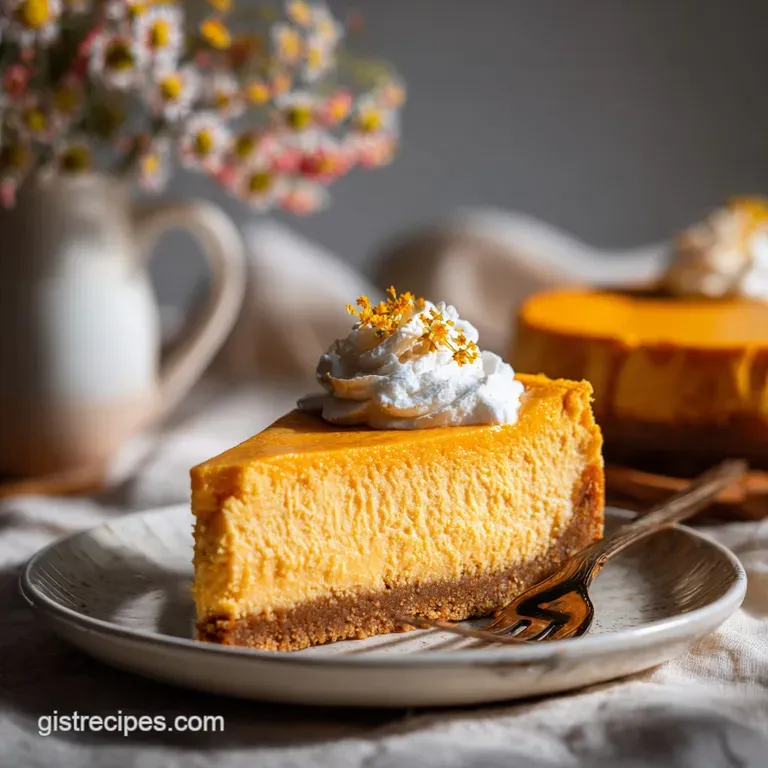
You don't need a professional kitchen, but a few specific tools will make this Sweet Potato Cheesecake a lot easier to manage. A 9 inch springform pan is essential so you can release the sides without destroying the edges.
I also highly recommend using a stand mixer if you have one; it incorporates less air than a hand mixer, which means fewer bubbles and cracks.
If you don't have a food processor for the cookies, just toss them in a heavy duty freezer bag and go to town with a rolling pin. It’s a great way to get out some frustration! Just make sure the crumbs are very fine. If they are too chunky, the crust will crumble when you try to slice it.
You want a foundation that can hold its own.
step-by-step Preparation and Baking Guide
- Prep the base. Combine 200g gingersnap crumbs, 56g melted butter, and 1g sea salt. Press firmly into a 9 inch springform pan.
- Par bake the crust. Bake at 175°C for 10 minutes until fragrant and slightly darkened. Note: This prevents a soggy bottom.
- Cream the cheese. Beat 680g cream cheese and 150g coconut sugar until silky and completely smooth.
- Integrate the puree. Add 450g sweet potato puree and 120g Greek yogurt, mixing on low speed.
- Spice it up. Mix in 10ml vanilla, 5g cinnamon, 2g nutmeg, and 1g cloves until the color is uniform.
- Add eggs slowly. Incorporate 3 eggs one at a time, mixing only until the yellow streaks disappear. Note: Overmixing here causes cracking.
- Assemble the bath. Wrap the pan in heavy foil and place in a larger roasting pan filled with 1 inch of hot water.
- Bake the cake. Bake at 160°C for 1 hours 15 mins until the edges are set but the center wobbles like jelly.
- The gentle cool. Turn off the oven, crack the door, and let it sit for 1 hour. Note: Rapid cooling is the main cause of surface cracks.
- Final chill. Refrigerate for at least 6 hours until the filling is firm to the touch.
The "wobble" is the hardest part to judge. You want the outer 2 inches to look stable, while the very middle should still have a bit of a shimmy. It will finish setting as it cools. Trust the process!
Resolving Texture and Surface Issues
Even the best cooks run into trouble with a Sweet Potato Cheesecake. The most common issues are usually related to temperature or moisture. If you notice your cake is leaking water, it’s likely that the sweet potato puree wasn’t cooled or strained enough.
Surface Cracks in the Center
Cracks usually happen because the proteins in the eggs cooked too fast or the cake cooled down too quickly. If your oven runs hot, that sudden blast of heat makes the cake expand, then shrink as it cools, leading to a canyon right down the middle.
| Problem | Root Cause | Solution |
|---|---|---|
| Deep cracks on top | Overbaked or cooled too fast | Leave in oven with door cracked for 1 hour |
| Soggy crust base | Water bath leaked into pan | Use two layers of extra wide heavy duty foil |
| Lumpy filling | Cold cream cheese | Use a warm water bath to soften ingredients quickly |
Common Mistakes Checklist
- ✓ Ensure all ingredients are strictly room temperature (prevents lumps).
- ✓ Tap the filled pan on the counter 5 times before baking (releases air bubbles).
- ✓ Use a water bath the steam keeps the surface supple and hydrated.
- ✓ Do not open the oven door during the first 60 minutes of baking.
- ✓ Roast your potatoes instead of boiling (keeps the puree thick).
Creative Twists and Flavor Enhancements
If you want to change things up, this Sweet Potato Cheesecake is a fantastic canvas. You can lean into the savory side by adding a pinch of white pepper, or go full dessert mode with a layer of toasted pecans on top.
Decision Shortcut
- If you want a Praline Crunch, top with 100g chopped pecans and 50g maple syrup before the final chill.
- If you want Sweet Potato Cheesecake Bars, bake in a 9x9 square pan and reduce the bake time by 15 minutes.
- If you want a Lighter Texture, fold in two whipped egg whites at the very end of the mixing process.
Adjusting the Scale
Downsizing (Half Batch): Use a 6 inch pan and reduce the baking time by about 20 minutes. For the eggs, beat one egg in a bowl and use exactly half of it to maintain the ratio. Upsizing (Double Batch): Bake in two separate pans rather than one large one.
If you must use a larger pan, increase the spices to only 1.5x to avoid overpowering the sweet potato.
Preservation Secrets
Cheesecake is actually better on day two. The flavors have time to marry, and the texture becomes more cohesive. This Sweet Potato Cheesecake is no exception. It stores beautifully if you keep it away from the "fridge smell."
- Storage
- Keep in the fridge for up to 5 days. Wrap the springform pan tightly in plastic wrap or move slices to an airtight container.
- Freezing
- This cake freezes remarkably well. Wrap the entire chilled cake (or individual slices) in plastic wrap, then a layer of foil. It will stay fresh for up to 3 months. Thaw in the fridge overnight before serving.
- Zero Waste
- If you have leftover sweet potato skins from the roasting process, don't toss them! Toss them in a bit of oil and salt and air fry them for 5 minutes. They make a crispy, salty snack that is surprisingly good. Any leftover gingersnap crumbs can be saved for a topping on your morning yogurt or even a batch of wings using a Cowboy Butter Chicken recipe if you want a spicy sweet rub.
Ideal Pairings for Dessert Success
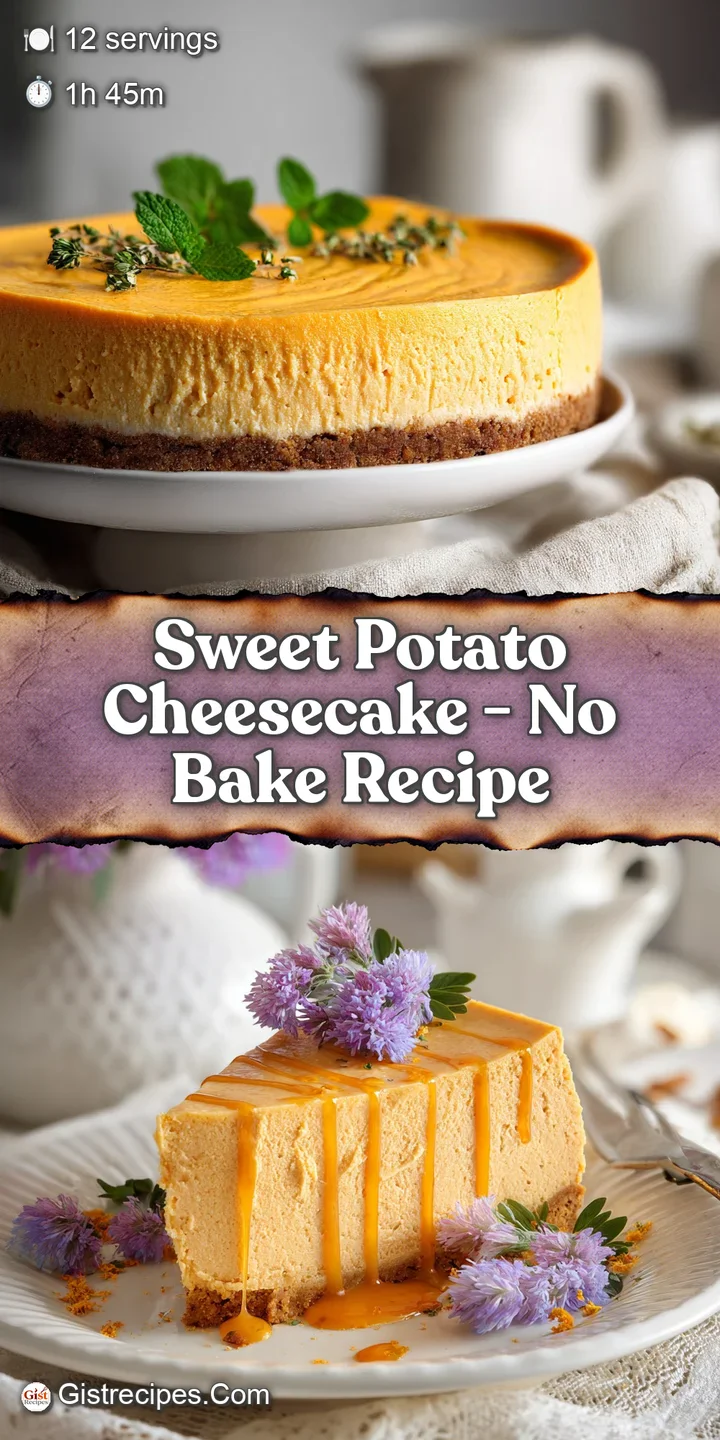
To really make this Sweet Potato Cheesecake shine, you need a bit of contrast in temperature and acidity. A dollop of cold, unsweetened whipped cream is the classic choice, but a warm bourbon caramel sauce is where it really gets interesting. The heat from the sauce against the chilled cake is a sensory delight.
If you are looking for a complete meal plan, I love serving this after a spicy main course. The creaminess of the potato and cheese helps cool the palate after something like a Rasta Pasta Recipe. The gingersnap crust provides that final "shatter" of texture that rounds out a soft, savory dinner. Just make sure to serve it on a chilled plate to keep that velvety texture from softening too quickly at the table!
Recipe FAQs
What does sweet potato cheesecake taste like?
Earthy and subtly sweet with warm spices. It's like a traditional cheesecake but with a deeper, slightly caramelized sweetness from the roasted sweet potato, complemented by notes of cinnamon, nutmeg, and cloves.
Why do bodybuilders eat sweet potatoes instead of potatoes?
Sweet potatoes generally have a slightly better nutritional profile. They often boast more fiber, vitamin A, and certain antioxidants compared to white potatoes, while still providing complex carbohydrates for energy.
What is the difference between New York style cheesecake and regular cheesecake?
New York style is denser and richer. It typically uses more cream cheese and fewer eggs, resulting in a smoother, creamier texture with a heavier, more decadent mouthfeel than a lighter, cake like regular cheesecake.
Why do you soak sweet potatoes in water before cooking?
This is not a standard or recommended step for cheesecake. Soaking raw sweet potatoes in water is typically done to remove excess starch for crisper fries or to prevent browning for certain dishes, but for cheesecake, roasting is preferred to concentrate flavor and moisture.
Can I use canned sweet potato puree?
Yes, but with adjustments. Canned puree can be more watery; drain it well and consider roasting it briefly to concentrate the flavor and texture, similar to fresh roasted sweet potatoes.
How do I prevent my sweet potato cheesecake from cracking?
Use a water bath and cool gradually. Baking in a water bath provides gentle, even heat, and letting the cheesecake cool slowly in the oven with the door ajar helps prevent drastic temperature changes that cause cracks.
What is the best way to get a smooth filling?
Ensure all ingredients are at room temperature. Creaming room temperature cream cheese and sugar until completely smooth before adding other ingredients is key to achieving a silky, lump free filling.
Sweet Potato Cheesecake
Ingredients:
Instructions:
Nutrition Facts:
| Calories | 416 kcal |
|---|---|
| Protein | 7.7 g |
| Fat | 27.2 g |
| Carbs | 35.8 g |
| Fiber | 1.5 g |
| Sugar | 24.2 g |
| Sodium | 175 mg |
