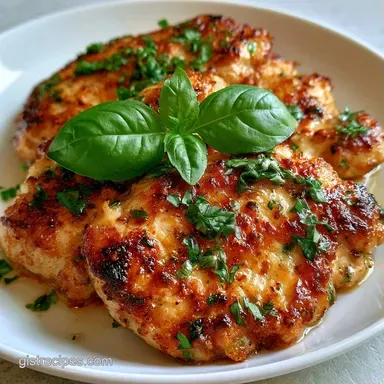
Basil Skillet Chicken with Greek Yogurt
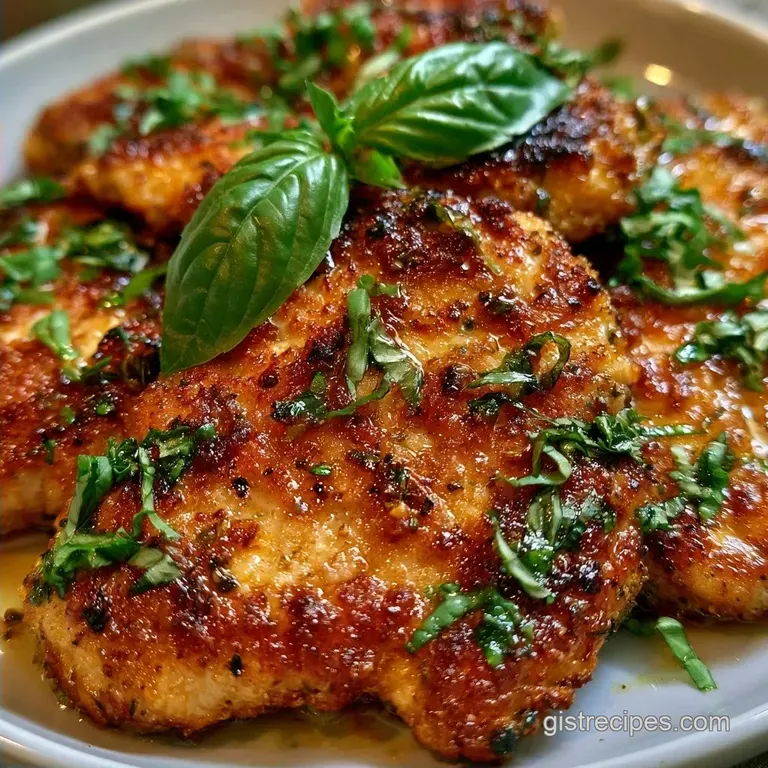
- Time: 10 min prep + 20 min cook
- Flavor/Texture Hook: Savory seared crust with a tangy, creamy sauce
- Perfect for: Busy weeknights or a low carb dinner
- Making a Tasty Basil Skillet Chicken
- What Each Ingredient Does
- Gathering Your Essentials
- Kitchen Tools Needed
- The Cooking Steps
- Avoiding Common Errors
- Troubleshooting Common Issues
- Easy Flavor Twists
- Adjusting the Portion Size
- Debunking Kitchen Myths
- Storing and Reheating
- Ways to Serve
- Recipe FAQs
- 📝 Recipe Card
The sound of chicken hitting a hot skillet is one of my favorite things in the kitchen. That aggressive sizzle tells me the crust is forming, and that's where all the savory flavor lives. I remember trying a version of this years ago where I just boiled the meat in sauce, and it was bland and rubbery.
Total waste of basil.
I shifted my approach to a over high heat sear and a fast pan sauce. This Basil Skillet Chicken creates a deep flavor base from the browned bits in the pan, which we then lift with a splash of broth. It's a simple shift that makes the dish taste authentic and rich.
You can expect a meal that feels fancy but takes about 30 minutes total. The sauce stays light but clings to the chicken, and the fresh basil adds a bright, peppery finish.
Making a Tasty Basil Skillet Chicken
The goal here is building flavor layers. We start with a hard sear to get a golden crust, then move to aromatics, and finish with a creamy, tangy sauce.
- High Heat Sear
- Browning the meat first creates a savory crust that keeps the Basil Skillet Chicken from tasting steamed or bland.
- Deglazing
- Using broth to scrape up the brown bits adds a concentrated meat flavor to the sauce.
- Fresh Herb Timing
- Adding basil at the very end stops it from turning black and keeps the flavor bright.
| Method | Time | Texture | Best For |
|---|---|---|---|
| Fast Skillet | 30 mins | Golden & Creamy | Weeknight dinner |
| Slow Simmer | 90 mins | Tender & Soft | Sunday roast |
| Baked | 45 mins | Uniform & Juicy | Meal prep |
Right then, let's look at what's actually happening in the pan. The interaction between the acidity of the lemon and the fat in the yogurt creates a stable, thick sauce that doesn't separate as easily as some cream based versions.
What Each Ingredient Does
| Ingredient | What It Does | Best Swap |
|---|---|---|
| Chicken Breast | Provides lean protein | Chicken thighs for more fat |
| Greek Yogurt | Adds tang and thickness | Sour cream (richer taste) |
| Parmesan | Adds salty, umami depth | Pecorino Romano |
| Fresh Basil | Gives a peppery, herbal lift | Fresh parsley (milder) |
I've found that using a 12 inch skillet is the only way to go. If the pan is too small, the chicken crowds and steams instead of searing, which ruins the crust.
Gathering Your Essentials
For this recipe, stick to these exact amounts to keep the sauce consistency right.
- 1.5 lb chicken breast, sliced into thin cutlets Why this? Thin cuts cook faster and more evenly
- 1 tsp salt
- 0.5 tsp black pepper
- 1 tbsp olive oil Why this? High smoke point for searing
- 3 cloves garlic, minced
- 1 small shallot, finely diced
- 1 tbsp butter Why this? Adds a rich, nutty flavor to aromatics
- 0.5 cup chicken broth
- 0.5 cup greek yogurt Why this? Lighter than cream but still thick
- 0.25 cup parmesan cheese
- 1 tbsp lemon juice
- 1 cup fresh basil leaves, chiffonade Why this? Fresh herbs are non negotiable here
If you're out of shallots, a small piece of red onion works, but it's a bit sharper. For the yogurt, make sure it's full fat. low-fat yogurt tends to curdle when it hits the heat.
Kitchen Tools Needed
You don't need much, but a heavy bottomed pan is a must.
- 12 inch skillet (stainless steel or cast iron is best)
- Tongs for flipping
- Whisk or wooden spoon
- Sharp chef's knife for the basil chiffonade
Using a non stick pan is fine, but you won't get as many "fond" (those brown bits) on the bottom. According to Serious Eats, that fond is where the most concentrated flavor lives, and it's what makes the pan sauce taste professional.
The Cooking Steps
This Basil Skillet Chicken comes together quickly, so have your garlic and shallots chopped before you turn on the heat.
- Pat the chicken breasts completely dry with paper towels. Season both sides with salt and pepper. Note: Dry meat sears better
- Heat olive oil in a 12 inch skillet over medium high heat.
- Add chicken cutlets and sear for 5–7 minutes per side until golden brown and cooked through.
- Remove chicken from the pan and set aside on a plate.
- Lower the heat to medium. Add butter to the pan, scraping up the browned bits from the bottom.
- Stir in diced shallots and sauté for 2 minutes until translucent.
- Add minced garlic and cook for 30 seconds until fragrant.
- Pour in the chicken broth to deglaze the pan.
- Stir in the greek yogurt, parmesan cheese, and lemon juice, simmering until the sauce thickens slightly.
- Return the chicken to the pan and fold in the fresh basil leaves during the final 60 seconds of cooking to preserve color and flavor.
Chef's Tip: If your sauce feels too thick, add a tablespoon of water or extra broth. It should be pourable, not a paste.
Avoiding Common Errors
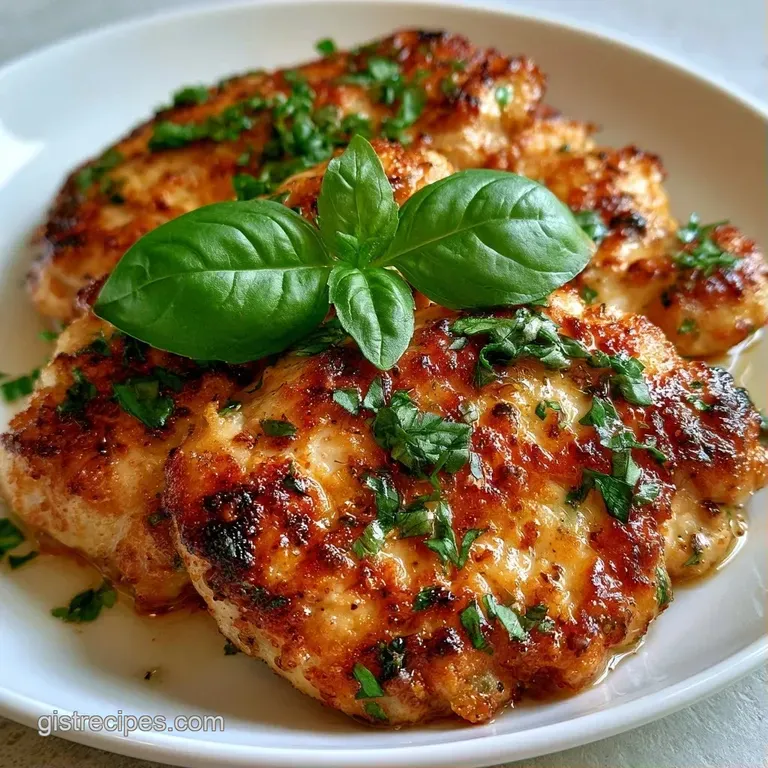
When making Basil Skillet Chicken, the most common issue is the sauce texture. If you heat the yogurt too aggressively, it can break.
Troubleshooting Common Issues
| Issue | Solution |
|---|---|
| Why Your Sauce Curdled | This usually happens if the pan is screaming hot when the yogurt goes in. To prevent this, lower the heat to medium and stir the yogurt in quickly. |
| Why the Chicken is Dry | Overcooking thin cutlets happens in a flash. Use a meat thermometer and pull them at 160°F; they'll carry over to 165°F while resting. |
| Why the Basil Turned Brown | Basil is delicate. If you simmer it for five minutes, it loses its bright green color and peppery taste. Always fold it in at the very last second. |
Trust me on this: don't skip the resting period for the chicken. Even five minutes on a plate lets the juices redistribute, so they don't all leak out into the sauce.
Easy Flavor Twists
You can easily shift the vibe of this dish. If you want something with a bit more "zing," add a pinch of red pepper flakes with the garlic.
For a Mediterranean Basil Chicken Recipe, swap the parmesan for crumbled feta and add a handful of halved cherry tomatoes during the shallot stage. The burst of acidity from the tomatoes pairs great with the creamy base.
If you're craving pasta, this sauce is basically a cheat code. I often make an extra batch of sauce to toss with my Tomato Basil Pasta recipe for a richer meal.
Decision Shortcut:
- Want it spicy? Add 1/2 tsp red pepper flakes.
- Want it more savory? Add a teaspoon of Worcestershire sauce to the broth.
- Want it brighter? Double the lemon juice.
Adjusting the Portion Size
Scaling a pan sauce is different than scaling a soup. You can't just double everything and expect the same result.
Scaling Down (1/2 batch): Use a smaller 8 inch or 10 inch skillet. Reduce the cooking time for the aromatics by about 20% since there's less volume in the pan. Use a small bowl to whisk half an egg if you're adding a binder, but for this recipe, just halve the yogurt and broth.
Scaling Up (2x batch): Do not crowd the pan. Sear the chicken in two batches, removing the first set before adding the second. If you put 3 lbs of chicken in one skillet, the temperature drops and the meat will steam.
Increase the salt and spices to 1.5x instead of 2x, as flavors concentrate more in larger volumes. Reduce the total liquid by about 10% to ensure the sauce thickens correctly.
| Target | Pan Size | Batching | Liquid Adjustment |
|---|---|---|---|
| 2 Servings | 8-10" | Single | Half all |
| 8 Servings | 12" | Double | 1.8x liquid |
The most important thing when scaling up is the sear. If you don't get that golden crust on every piece, the final sauce will lack depth.
Debunking Kitchen Myths
I hear a lot of advice that doesn't actually hold up in the kitchen.
First, some say that searing meat "seals in the juices." This isn't true. Searing doesn't create a waterproof barrier. It creates flavor through browning. The moisture loss happens regardless, but the taste is worth it.
Second, there's a myth that you must use heavy cream to get a silky sauce. As we've seen here, Greek yogurt and parmesan create a rich, creamy texture that's actually lighter and more complex.
Storing and Reheating
Basil Skillet Chicken keeps well, though the basil will lose its bright green color in the fridge.
Fridge: Store in an airtight container for up to 3 days. Freezer: I don't recommend freezing this specific recipe. The Greek yogurt tends to separate and become grainy upon thawing.
Zero Waste: Don't throw away the leftover sauce in the pan. Spoon it over some steamed spinach or use it as a base for a quick pasta. If you have leftover basil stems, chop them finely and toss them into a homemade pesto or freeze them in olive oil cubes for future sautéing.
Ways to Serve
The beauty of this dish is how versatile it is. Since it's a one pan wonder, you can keep the sides simple.
For a low carb option, serve the chicken over sautéed zoodles or steamed cauliflower. The creamy sauce acts as a dressing for the vegetables. If you want something heartier, a bed of jasmine rice or wide egg noodles is a classic choice.
If you're hosting a dinner, this pairs well with a side of roasted asparagus or a crisp arugula salad. For another Italian inspired dinner, you might like my Caprese Chicken recipe, which uses similar fresh flavors but a balsamic twist.
Right then, that's the whole process. Just remember: dry the chicken, don't crowd the pan, and add that basil at the very end. You'll have a restaurant quality meal on the table in 30 minutes.
Recipe FAQs
Is this skillet chicken a good go-to recipe for using fresh basil?
Yes, it is an excellent choice. This recipe uses a full cup of fresh basil, highlighting the herb's peppery brightness without overpowering the other flavors.
What can I do with extra fresh basil if I have more than the recipe requires?
Chop the leftover stems and freeze them in olive oil cubes. You can also blend the excess leaves into a homemade pesto to avoid waste.
How to serve this chicken with pasta?
Spoon the leftover pan sauce directly over your favorite noodles. For a complete meal, this chicken pairs perfectly with a garlic herb pasta.
Why did my greek yogurt sauce curdle?
The pan was likely too hot when the yogurt was added. To prevent this, lower the heat to medium and stir the yogurt in quickly.
Why is my chicken coming out dry?
The thin cutlets are likely overcooking. Use a meat thermometer and pull the chicken at 160°F so it can carry over to 165°F while resting.
Is it true I should simmer the basil for a few minutes to develop the flavor?
No, this is a common misconception. Basil is delicate and will turn brown and lose its flavor if overcooked; always fold it in during the final 60 seconds.
Can I freeze the leftover basil chicken?
No, I don't recommend freezing this dish. The greek yogurt in the sauce tends to separate and become grainy upon thawing.
Basil Skillet Chicken