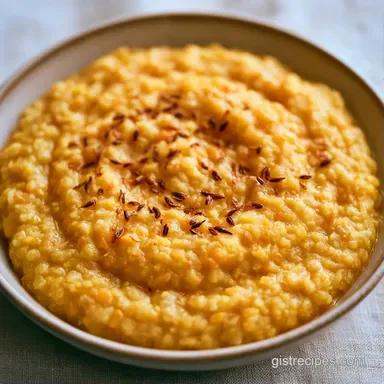
Failure-Proof One Pot Kitchari
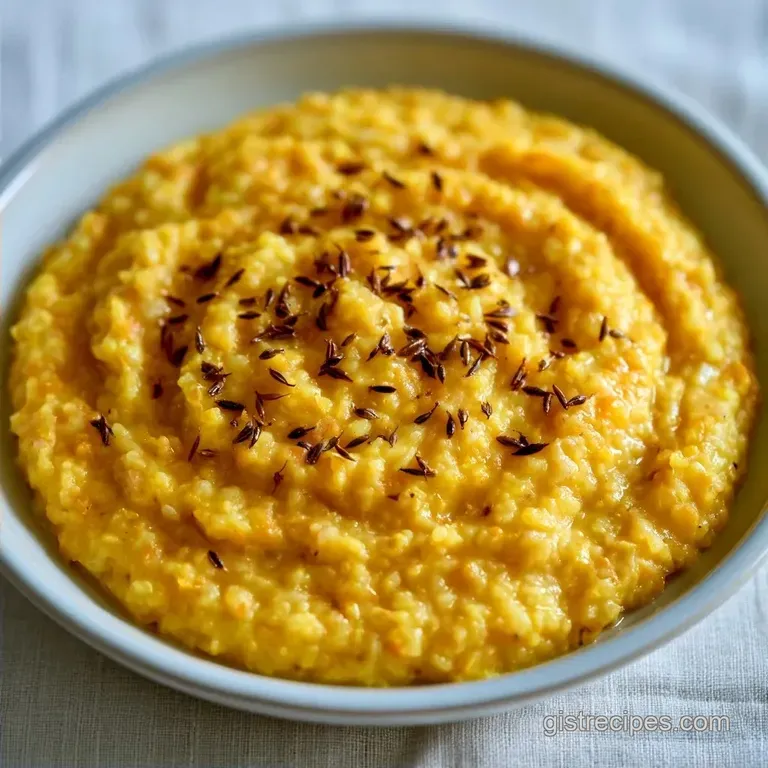
- Time: 10 min active + 30 min simmer
- Flavor/Texture Hook: Earthy, buttery, and velvety
- Perfect for: Rainy days, detoxing, or a low effort weeknight dinner
- One Pot Kitchari for Cold Rainy Days
- Why This Comforting Bowl Works
- What Each Ingredient Does
- The Ingredients You'll Need
- The Best Tools for the Job
- Making the Bowl Step-by-Step
- Avoid These Common Kitchen Slip ups
- Troubleshooting Common Issues
- Ways to Customize Your Bowl
- Adjusting the Recipe Size
- Debunking Kitchen Myths
- Storing and Reheating Your Leftovers
- What to Serve Alongside Kitchari
- Recipe FAQs
- 📝 Recipe Card
One Pot Kitchari for Cold Rainy Days
That warm, earthy scent hits you the moment the cumin seeds hit the hot ghee. It's a smell that immediately makes a house feel like a home. I remember the first time I made this on a Tuesday in November when the rain wouldn't stop and I felt a cold coming on. I just wanted something that felt like a hug in a bowl.
This dish is less about fancy techniques and more about the feeling of togetherness. It's the kind of food my grandma would have made, where one pot does all the heavy lifting. You don't need a dozen pans or a complicated list of spices to get that deep, comforting flavor.
We're making a One Pot Kitchari that balances the nuttiness of basmati rice with the softness of split mung dal. It's simple, filling, and honest. You'll end up with a meal that's hearty enough for dinner but light enough that you won't feel weighed down.
Why This Comforting Bowl Works
The magic of this dish is in how the grains break down during the simmer.
- The Grain Blend: Combining rice and mung dal creates a complete protein and a naturally thick texture without needing cream.
- Fat Based Spices: Frying the turmeric and cumin in ghee first pulls out flavors that wouldn't emerge if you just boiled them in water.
The way these two elements interact is why One Pot Kitchari feels so satisfying. According to Serious Eats, rinsing your grains is a key step to prevent the dish from becoming an overly gummy mass.
| Method | Time | Texture | Best For |
|---|---|---|---|
| Stovetop | 40 min | Creamy/Soft | Daily comfort |
| Oven | 60 min | Heartier/Set | Large batches |
What Each Ingredient Does
Getting the right balance of aromatics and grains is what makes this One Pot Kitchari stand out.
| Ingredient | What It Does | Best Swap |
|---|---|---|
| Basmati Rice | Provides fluffiness and aroma | Jasmine rice (slightly stickier) |
| Mung Dal | Thickens the base and adds protein | Red lentils (cooks faster) |
| Ghee | Carries flavor and adds richness | Coconut oil (vegan option) |
| Turmeric | Adds golden color and earthy notes | A pinch of saffron |
The Ingredients You'll Need
Gather these items before you start. I've found that having everything chopped and ready makes the process much smoother.
- 1/2 cup (100g) Basmati rice Why this? High aroma and long grains.
- 1/2 cup (100g) Split yellow mung dal Why this? Easy to digest and creamy.
- 4 cups (950ml) Water Why this? Standard hydration for a porridge consistency.
- 2 tbsp (30ml) Ghee Why this? High smoke point and rich taste.
- 1 tsp (5g) Cumin seeds Why this? Essential earthy base.
- 1 tsp (5g) Turmeric powder Why this? Classic color and warmth.
- 1 tbsp (15g) Fresh ginger, minced Why this? Adds a sharp, fresh bite.
- 2 cloves (6g) Garlic, minced Why this? Deepens the savory profile.
- 1/2 tsp (3g) Salt Why this? Balances the earthy spices.
- 1/4 tsp (1g) Black pepper Why this? Helps turmeric absorption.
- 1 tbsp (15ml) Fresh lime juice Why this? Cuts through the richness.
- 2 tbsp (8g) Fresh cilantro, chopped Why this? Bright, herbal finish.
- 1 tsp (5g) Maple syrup Why this? Balances the lime acidity.
The Best Tools for the Job
You don't need a professional kitchen for this, but a few specific tools help.
I always use a heavy bottomed pot, like a Dutch oven or a thick stainless steel pot. This prevents the grains from scorching at the bottom during the 30 minute cook time. A fine mesh strainer is also a must for rinsing the rice and dal.
You'll also need a sturdy wooden spoon for stirring. The rice and dal can get thick, and a thin spatula might bend. If you have a tight fitting lid, use it. It keeps the steam inside, which is what actually cooks the grains through.
Making the Bowl step-by-step
Let's get into the actual cooking. Pay attention to the smells here, as they'll tell you when to move to the next step.
- Rinse the grains. Place the basmati rice and mung dal in a fine mesh strainer. Run cold water over them until the water is clear. Note: This removes surface starch so the One Pot Kitchari doesn't get too gluey.
- Heat the fat. Pour 2 tbsp of ghee into your pot over medium heat.
- Toast the cumin. Add the cumin seeds. Stir for 30 seconds until they sizzle and smell nutty.
- Sauté aromatics. Add the minced ginger and garlic. Stir for 60 seconds until they soften and smell fragrant.
- Bloom the spices. Stir in the turmeric and black pepper. Cook for just 10 seconds to wake up the oils.
- Toast the grains. Add the rinsed rice and dal. Stir for a minute to coat every grain in the golden ghee.
- Add liquids. Pour in 4 cups of water and add the salt. Bring the mixture to a boil.
- Simmer gently. Turn the heat to low and cover with a lid. Simmer for 20-25 minutes until the liquid is absorbed and the texture is creamy.
- Final seasoning. Turn off the heat. Stir in the fresh lime juice and maple syrup.
- Garnish. Top with chopped cilantro and serve immediately.
Chef's Note: If you want an even deeper flavor, try adding a pinch of cinnamon or a cardamom pod during the blooming phase. It adds a subtle sweetness that pairs well with the maple syrup.
Avoid These Common Kitchen Slip ups
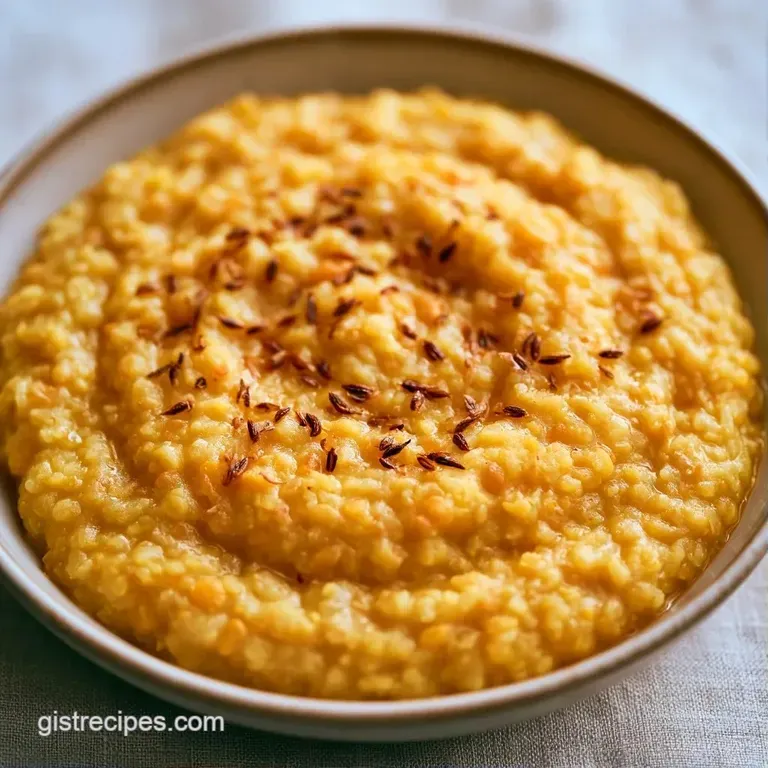
Even a simple One Pot Kitchari can go sideways if the heat is too high or the water is off.
Troubleshooting Common Issues
| Issue | Solution |
|---|---|
| Why Your Grains Scorched | If you smell something burning before the timer goes off, your heat is likely too high. The mung dal is starchier than regular rice and tends to stick to the bottom. |
| Why Your Kitchari is Too Dry | Sometimes the water evaporates faster than expected, especially if your lid isn't tight. If it looks more like a pilaf than a porridge, just stir in a splash of boiling water at the end. |
| Why the Flavor Feels Flat | If the dish tastes bland, you're likely missing acidity. Don't skip the lime juice. The acid wakes up the turmeric and cumin, making the whole dish pop. |
Ways to Customize Your Bowl
One Pot Kitchari is incredibly flexible. Once you have the base down, you can start adding your own touch.
For a heartier meal, stir in some diced carrots or frozen peas during the simmer phase. If you're looking for other simple meals, my family dinner quinoa uses a similar one pot logic that's great for busy nights.
If you're following a strict Ayurvedic path, you can omit the garlic and onion. Instead, add a pinch of asafoetida (hing) for that savory depth. For those who prefer a more modern twist, adding a swirl of coconut milk at the end makes it feel even more indulgent.
Decision Shortcut:
- If you want it thinner: Add an extra 1/2 cup of water at the start.
- If you want it heartier: Stir in 1/2 cup of diced carrots.
- If you want it zingier: Double the lime juice and add extra cilantro.
Adjusting the Recipe Size
Scaling this One Pot Kitchari is pretty straightforward, but you can't just double everything linearly.
Scaling Down (Half Batch): Use a smaller pot so the water doesn't evaporate too quickly. Use 1/4 cup of rice and 1/4 cup of dal. Reduce the simmer time by about 5 minutes, but keep a close eye on the consistency.
Scaling Up (Double or Triple Batch): When doubling the recipe, only increase the salt and spices to 1.5x first. You can always add more at the end, but it's hard to fix an over salted pot. Reduce the total water by about 10% because larger volumes of liquid evaporate more slowly.
Debunking Kitchen Myths
I've heard a few things about One Pot Kitchari that just aren't true.
Myth: Searing the grains seals in the nutrients. Actually, toasting the rice and dal in ghee is about flavor, not nutrition. It creates a nutty, toasted taste that prevents the dish from tasting like plain boiled grains.
Myth: Rinsing rice removes all the vitamins. While some surface starch goes away, rinsing is necessary for the texture. According to USDA FoodData, the nutritional value of mung dal remains high even after rinsing.
Storing and Reheating Your Leftovers
This dish actually tastes better the next day because the flavors have more time to meld.
Fridge and Freezer: Store your One Pot Kitchari in an airtight container in the fridge for up to 4 days. It will thicken significantly as it cools. You can freeze it for up to 3 months, though the texture might change slightly.
Reheating Tips: When reheating, add a tablespoon of water or broth per serving. Heat it on the stovetop over low heat, stirring occasionally. This brings back that creamy, consistency without drying out the grains.
Zero Waste Tip: Don't toss the water used to rinse the dal if you're using whole mung beans. While we use split dal here, any leftover soaking liquid from legumes can be used as a base for a veggie stock.
What to Serve Alongside Kitchari
Since this One Pot Kitchari is so creamy and mild, it pairs best with things that have a bit of crunch or a sharp kick.
A side of quick pickled carrots or a simple cucumber salad with vinegar works brilliantly. If you want something more substantial, a piece of toasted sourdough with salted butter is a great companion.
For another comforting option that feels like a warm embrace, you might enjoy my chicken broccoli casserole. It has that same "one pot" energy and satisfies that craving for something hearty.
Right then, you're all set. Just remember to keep the heat low and trust your nose. This One Pot Kitchari is all about patience and comfort. Happy cooking!
Recipe FAQs
What can I cook in half an hour for a healthy Indian meal?
One Pot Kitchari is an ideal choice. It only takes 10 minutes to prep and 30 minutes to cook, fitting perfectly into a tight schedule.
Is this an easy vegetarian Indian dinner recipe?
Yes, it is a simple, plant based meal. It uses basic staples like basmati rice and mung dal to create a comforting, one-pot dinner.
How to prepare the grains for kitchari?
Rinse the rice and mung dal together in a fine mesh strainer. Run cold water over them until the water runs clear to remove excess surface starch.
Why did my kitchari scorch on the bottom?
Your heat was likely too high during the simmer. Mung dal is starchier than regular rice and tends to stick if the temperature isn't kept low.
Is it true that kitchari must be eaten immediately after cooking?
No, this is a common misconception. It actually tastes better the next day as the flavors meld and can be stored in the fridge for up to 4 days.
How to reheat leftover kitchari without it being dry?
Add a tablespoon of water per serving before heating. Use a stovetop over low heat and stir occasionally to bring back the creamy consistency.
What are some other quick prep vegetarian options for dinner?
Our stuffed potato cakes are another excellent option. They are just as fast to prepare and provide a crispy texture that contrasts well with the softness of kitchari.
One Pot Kitchari Recipe