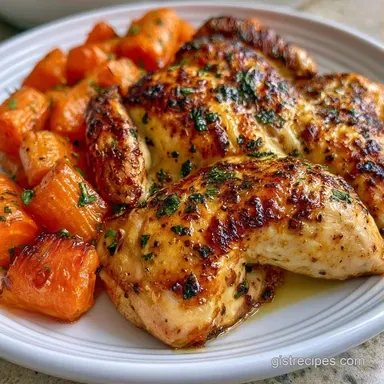
The 75-Minute Spatchcock Roast
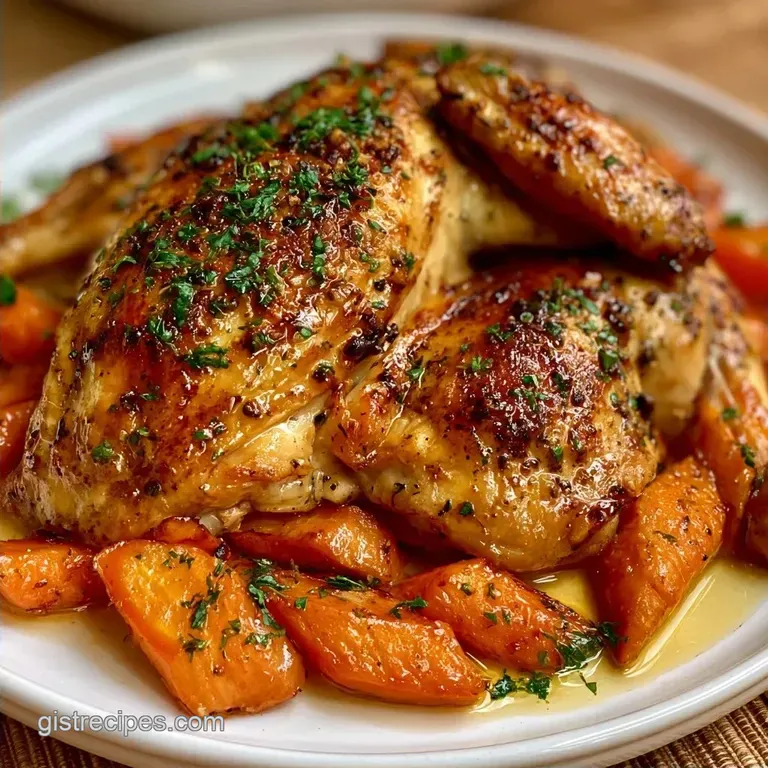
- Time: 20 min active + 45 min roasting = Total 75 mins
- Flavor/Texture Hook: Shatter crisp skin with velvety, lemon infused potatoes
- Perfect for: Busy weeknights when you want a hearty, comforting meal without the all day wait
- Quick Family Dinner Idea with Roasted Chicken
- Why the Flattening Works
- Component Analysis
- Gathering Your Essentials
- Equipment Needed
- Bringing It Together
- Solving Common Roasting Issues
- Simple Swaps and Variations
- Storing and Using Leftovers
- Serving Your Family Feast
- Critical in Sodium
- Recipe FAQs
- 📝 Recipe Card
That smell of roasting garlic and lemon hitting the hot oven air is something that just feels like home. I remember a few years back when I tried to do a "traditional" Sunday roast for my parents. I left the chicken whole, followed a standard recipe, and waited three hours.
By the time it was done, the legs were falling apart, but the breasts were as dry as cardboard. I was so frustrated that I almost gave up on roasting whole birds entirely.
Then I discovered the trick of flattening the chicken, or "spatchcocking." The first time I tried it, I was skeptical that a bird lying flat on a sheet pan could actually taste like a proper roast.
But when that first piece of skin shattered under my fork and the carrots were glazed in chicken fat, I knew I'd found a secret weapon. This quick family dinner idea with roasted chicken is the perfect meal for a busy weeknight.
You don't need to be a pro to get this right, and you definitely don't need a fancy roasting rack. We're going for a one pan wonder here. It's about building layers of flavor, from the citrusy zing of the lemon to the earthy depth of the oregano, all while the vegetables soak up every single drop of gold from the chicken.
Quick Family Dinner Idea with Roasted Chicken
The beauty of this approach is how it transforms a slow process into something manageable. Instead of worrying about the center of the bird staying raw while the outside burns, everything cooks at the same rate.
It's a hearty, comforting classic that tastes like it took all afternoon, but it actually fits into a window of just over an hour.
When you're rushing through a Tuesday, the last thing you want is a sink full of pots. That's why the vegetable bed is so smart. The carrots and potatoes aren't just side dishes, they act as a natural roasting rack, keeping the chicken slightly lifted so air can circulate, which helps that skin get truly crispy.
Why the Flattening Works
I used to think spatchcocking was just for fancy restaurants, but it's actually just simple physics. By removing the backbone and pressing the bird flat, you're changing the entire game.
- Surface Area: Flattening the bird exposes more skin to the direct heat, which means you get that shatter crisp texture everywhere, not just on the wings.
- Even Heating: Without the cavity trapping steam, the heat hits the breast and the thighs simultaneously, so nothing stays raw in the middle.
- Vegetable Infusion: Placing the chicken on top of the veg allows the rendered fat to drip down, essentially confitting the potatoes in chicken schmaltz.
- Rapid Cooking: Reducing the thickness of the meat means the internal temperature reaches 165°F much faster, cutting your oven time significantly.
To understand more about how internal temperatures affect meat safety and juiciness, you can check out the guidelines from the [USDA FoodData](https://fdc.nal.usda.gov), which help ensure your poultry is safe and succulent.
| Method | Time | Texture | Best For |
|---|---|---|---|
| Whole Roast | 3+ hours | Varies (often dry breast) | Traditional Sundays |
| Spatchcock | 45 minutes | Uniformly juicy/crispy | Weeknight dinners |
| Rotisserie | 0 minutes | Soft skin/Tender meat | Ultra fast meals |
While a store-bought bird is a great shortcut, roasting your own at home lets you control the seasoning and get those vegetables perfectly caramelized.
Component Analysis
Understanding what each ingredient does helps you tweak the recipe if you're missing something. It's not just about the taste, but how the ingredients interact under high heat.
| Ingredient | Science Role | Pro Secret |
|---|---|---|
| Olive Oil | Heat Conductor | Use a high smoke point oil to avoid acrid smoke at 425°F |
| Kosher Salt | Moisture Draw | Draws out surface moisture to help the skin crisp up |
| Lemon Slices | Acid Balance | The citric acid cuts through the heavy fat of the chicken |
| Dried Oregano | Aromatic Layer | Toasts in the oil, releasing oils that penetrate the meat |
Gathering Your Essentials
I've found that having everything prepped before the oven hits temperature is the only way to keep a weeknight dinner from becoming stressful. Don't forget to pat the chicken dry with paper towels. If the skin is wet, it will steam instead of sizzle, and you'll miss out on that crunch.
For the Chicken
- 1 whole chicken, 4 lbs Why this? Standard size that fits on a sheet pan without crowding.
- 2 tbsp extra virgin olive oil Why this? Helps the herbs stick and conducts heat for browning.
- 1 tbsp kosher salt Why this? Larger grains are easier to distribute evenly.
- 1 tsp coarse black pepper Why this? Adds a woody heat that balances the lemon.
- 1 tbsp dried oregano Why this? Provides a classic, earthy aroma.
For the Roasted Bed
- 1 lb carrots, peeled and cut into 2 inch chunks Why this? Size prevents them from overcooking before the chicken is done.
- 1 lb baby potatoes, halved Why this? High surface area means more crispy edges.
- 1 lemon, sliced into rounds Why this? Infuses the veg and the chicken with brightness.
- 4 cloves garlic, smashed Why this? Smashed cloves don't burn as quickly as minced ones.
- 1 tbsp extra virgin olive oil Why this? Coats the veg to prevent sticking.
| Original Ingredient | Substitute | Why It Works |
|---|---|---|
| Dried Oregano | Dried Thyme | Similar earthy profile. Note: Slightly more floral notes |
| Baby Potatoes | Parsnips | Similar density. Note: Adds a sweeter, more peppery flavor |
| Carrots | Rutabaga | Holds shape well. Note: More pungent and earthy than carrots |
| Olive Oil | Avocado Oil | Higher smoke point. Note: Neutral flavor, no olive notes |
If you're looking for more ways to use poultry, these simple leftover chicken recipes are a great way to keep the momentum going through the week.
Equipment Needed
You don't need a professional kitchen, but a few specific tools make the "flattening" process a breeze. If you don't have kitchen shears, you can use a sharp chef's knife, but the shears are much safer and faster.
- Kitchen Shears: Essential for removing the backbone quickly.
- Large Rimmed Baking Sheet: The rim is critical so the chicken juices don't spill into your oven.
- Meat Thermometer: The only way to be 100% sure the chicken is done without overcooking it.
- Paper Towels: For drying the skin to a bone dry finish.
Bringing It Together
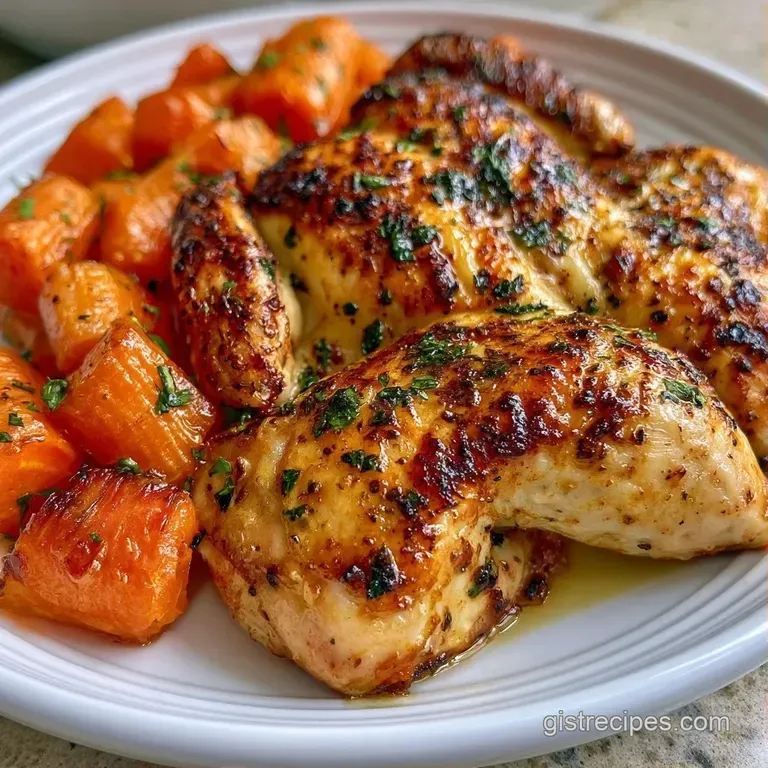
Let's crack on. The key here is the layering. We want the vegetables to be the foundation so they can bathe in the chicken drippings.
- Flatten the chicken. Use kitchen shears to cut along both sides of the backbone to remove it entirely. Flip the chicken breast side down and press firmly on the breastbone with the palm of your hand until the ribs snap. Flip the bird back over so it lies flat. Note: This ensures the meat cooks evenly and quickly.
- Prep the vegetables. Toss the carrots, potatoes, and smashed garlic on a large rimmed baking sheet with 1 tbsp of olive oil and a pinch of salt. Arrange the lemon slices across the vegetables.
- Season the bird. Rub the remaining 2 tbsp of olive oil, salt, pepper, and dried oregano over the chicken skin until glossy.
- Layer the pan. Place the flattened chicken directly on top of the vegetable bed.
- Roast the meal. Place in a preheated 425°F (218°C) oven for 45 minutes until the thickest part of the breast reaches 165°F (74°C).
- Rest the meat. Let the meat rest for 10 minutes before carving to lock in the juices. Note: Skipping this means the juices will run out on the board instead of staying in the meat.
Chef's Note: If you want an even deeper flavor, try rubbing a tiny bit of softened butter under the skin of the breast before roasting. It adds a velvety richness that contrasts beautifully with the crisp exterior.
Solving Common Roasting Issues
Even with a simple recipe, things can go sideways. Usually, it comes down to moisture or heat distribution. If your skin isn't shattering, it's almost always because the chicken was too damp when it went into the oven.
Why Your Skin Is Rubbery
This happens when steam gets trapped. Ensure you pat the skin dry and don't crowd the pan. If the vegetables are piled too high, they release steam that prevents the skin from crisping.
Why the Breast Is Dry
If you overcook the chicken by even 5-10 degrees, the lean breast meat loses its moisture. Always use a thermometer and pull the chicken out at 165°F. The carryover heat will keep it juicy during the rest.
| Problem | Root Cause | Solution |
|---|---|---|
| Rubbery Skin | Too much moisture/crowded pan | Pat dry with towels; use a larger sheet pan |
| Burnt Garlic | Cloves were too small/minced | Use smashed cloves; tuck them under the chicken |
| Undercooked Legs | Oven temp too low | Verify oven temp with a thermometer; ensure 425°F |
Common Mistakes Checklist
- ✓ Forgot to dry the skin (results in rubbery texture)
- ✓ Skipped the resting period (results in dry meat)
- ✓ Crowded the vegetables (prevents roasting/caramelization)
- ✓ Used a pan without a rim (results in oven smoke/mess)
- ✓ Cut the chicken too thin (can cause some edges to burn)
Simple Swaps and Variations
Once you've nailed the base recipe, you can easily shift the flavor profile. I love doing a Mediterranean version by adding kalamata olives and cherry tomatoes to the vegetable bed during the last 20 minutes of roasting.
Mediterranean Twist
Swap the oregano for a mix of thyme and rosemary. Add a handful of halved cherry tomatoes and some sliced red onion to the pan. The tomatoes burst and create a jammy sauce that's incredible over the potatoes.
Quick Fix Version
If you're truly out of time, you can use those easy rotisserie chicken recipes by buying a pre cooked bird, carving it into pieces, and roasting just the vegetables for 20 minutes. Then, nestle the pre cooked chicken on top for the last 10 minutes to crisp the skin.
For Picky Eaters
Some kids hate the "green bits" of oregano. You can rub the herbs only on the underside of the chicken and keep the skin just salted and oiled. This keeps the flavor but removes the visual "herbs" that cause issues.
| Original Style | Variation | Impact |
|---|---|---|
| Classic Oregano | Lemon Pepper | Brighter, sharper taste; less earthy |
| Root Veggies | Broccoli/Cauliflower | Lighter meal; roast time reduces to 30 min |
| 425°F Roast | Slow Roast (325°F) | More tender, but skin won't be as crispy |
Storing and Using Leftovers
A 4lb chicken usually leaves plenty of extras. Don't let them go to waste. The meat stays great in the fridge for 3 to 4 days, and the vegetables hold their flavor well, though they lose some of that shatter crisp edge.
Storage Guidelines
- Fridge: Store chicken and vegetables in separate airtight containers for up to 4 days.
- Freezer: Shred the leftover meat and freeze in portions for up to 3 months. I find this is a lifesaver for quick salads.
- Reheating: To avoid drying the meat, reheat in a pan with a splash of chicken broth or butter over medium heat.
Zero Waste Tips Don't throw away the backbone and the carcass! Put them in a pot with water, a scrap of carrot, and an onion. Simmer for a few hours to make a rich, homemade stock. This is the base for the best soups or a quick pan sauce for another meal.
If you have leftover roasted carrots, blend them with a bit of olive oil and lemon for a velvety puree.
Serving Your Family Feast
When you pull this tray out of the oven, the visuals are stunning. The golden brown chicken resting on a bed of glistening, caramelized vegetables is a total win. I love serving this right on the baking sheet (if you have a nice one) or transferring it to a large platter.
For a complete meal, this pairs beautifully with a Classic House Salad to add some fresh, crisp contrast to the richness of the roast. If you want something more filling, I often serve a side of gluten-free Sourdough Bites to soak up those lemon garlic pan juices.
Right then, that's it! You've got a meal that looks like a weekend project but fits into a busy Tuesday. Trust me on the spatchcocking - it's the one step most people skip, but it's exactly what makes this Quick Family Dinner Idea with Roasted Chicken work. Now go get that skin shattering!
Critical in Sodium
1160 mg 1,160 mg of sodium per serving (50% 50% of daily value)
The American Heart Association recommends a daily limit of no more than 2,300 mg of sodium, and ideally less than 1,500 mg for most adults to reduce cardiovascular risk.
Tips to Reduce Sodium
-
Slash the Kosher Salt-30%
The primary sodium source is the 1 tbsp of kosher salt; reduce this to 1/2 tsp or omit it entirely to significantly lower the sodium count.
-
Leverage Citrus Acidity-15%
Increase the lemon rounds or squeeze fresh lemon juice over the chicken and vegetables before serving to mimic the flavor of salt.
-
Increase Aromatics-10%
Double the amount of smashed garlic to 8 cloves to add more depth and savory flavor without adding any sodium.
-
Enhance Dried Herbs
Increase the dried oregano or add fresh thyme and rosemary to build a complex flavor profile that reduces the craving for salt.
Recipe FAQs
What internal temperature guarantees a juicy roasted chicken?
165°F (74°C). Use a meat thermometer in the thickest part of the breast to ensure it is fully cooked without overdrying.
Should I skip resting the chicken to save time on family dinner?
No, let it rest for 10 minutes. Resting allows the juices to redistribute, ensuring the meat remains moist after carving.
How do I prevent the chicken skin from becoming rubbery or damp?
Pat the skin completely dry before applying olive oil. Removing surface moisture prevents steaming and allows the skin to crisp up in the oven.
Is it true that trussing the bird makes it cook more evenly?
No, this is a common misconception. Flattening the bird (spatchcocking) creates more surface area and a uniform thickness, which cooks more evenly than a trussed bird.
How long can I safely store the roasted chicken leftovers?
Keep leftovers in the fridge for 3 to 4 days. Store the meat and vegetables in separate airtight containers to preserve the texture of the carrots and potatoes.
How do I flatten the chicken for faster roasting?
Cut along both sides of the backbone with kitchen shears. Press down firmly on the breastbone until the ribs snap so the chicken lies completely flat.
What side dishes pair well with this meal?
Pair this with another roasted vegetable. If you enjoyed mastering the high heat roasting technique here, see how the same principle works in these zucchini skewers.
Roasted Chicken Family Dinner